Urban Concrete & Construction
Steel Buildings Designed, Built, and Standing in Dallas
Foundation and steel erection coordinated under one contract, no vendor gaps. Urban Concrete & Construction handles the complete metal building project, from design coordination to the concrete foundation to steel frame erection, with the same crew working from the same drawing set on a single schedule.
Full-Scope Metal Building Services in Dallas, Design Through Erection
Urban Concrete & Construction handles the complete metal building project, design coordination, concrete foundation, and steel frame erection, under a single contract in Dallas. The foundation crew and the steel erection crew are the same crew, working from the same drawing set, under one contract with one schedule.
We serve commercial, industrial, agricultural, and large-format storage applications across the Dallas metro. If your project needs a reinforced concrete foundation slab with embedded anchor bolts and a pre-engineered metal building, a steel building system designed at a factory and shipped to the job site as a kit of columns, rafters, and panels, erected on top of it, that is exactly what we do. The result is a finished, enclosed structure built to your site’s actual conditions, not a generic spec.
Building in Dallas's Industrial Corridors, Pad by Pad
Dallas’s commercial build environment is concentrated along specific freight corridors, and that geography matters for every metal building project. The industrial parks along I-20, I-35E, and Highway 175 are where most of our commercial metal building work happens, and Garland, Mesquite, Grand Prairie, and Irving all have active warehouse and distribution development zones where timelines are tight and site-coordination requirements are specific.
Established Backfill vs. Raw Blackland Prairie Clay
What most business owners do not realize is how much soil conditions shift between an established industrial zone and a newer development pad. Older industrial sites in Garland and Mesquite often have compacted backfill from previous structures, while newer pads in outer Irving and Grand Prairie are frequently raw Blackland Prairie clay, the expansive black clay characteristic of the region. For metal building foundations, that clay behavior creates a precise engineering problem: the anchor bolt grid cast into the slab has to remain dimensionally stable through multiple wet-dry cycles after the building is occupied, and we engineer against that outcome at the subgrade level before the first form goes up.
Why Anchor Bolt Alignment Decides Whether You Finish on Time
The anchor bolt layout, the pattern of steel bolts cast into the concrete foundation that the building’s columns bolt onto, has to match the structural drawings exactly. Off by two inches in one direction, or a quarter-inch in rotation, is enough to make the primary structural frame impossible to erect correctly. When two separate contractors handle the foundation and the steel, each working from their own interpretation of the drawing set, dimensional conflicts become the project owner’s problem to resolve, and that resolution can take weeks, pushing permitting, occupancy, and operational startup. Anchor bolt layout precision is the single biggest factor in keeping a metal building project on schedule, and it is fully controllable from day one.

How One Drawing Set Governs Both the Slab and the Steel
When one company is responsible for both phases, the conflict between foundation and frame simply does not exist. We receive the structural drawings from the building manufacturer before any concrete work begins, and the anchor bolt layout is confirmed against the building’s engineering drawings, the full column grid, bolt diameter, projection height, and setback distances, with those dimensions built into the formwork before the pour.
No Gap Between What the Concrete Shows and What the Frame Requires
When the steel erection crew arrives, our crew, they are working from the same drawing set that governed the foundation, so there is no gap between what the concrete shows and what the frame requires. Steel frame erection, the process of assembling the structural skeleton on site by setting columns, connecting rafters, and bolting the primary frame together, happens on schedule because the foundation was built to support it precisely. Dallas commercial projects run on tight timelines, and we build the coordination in at the design phase so schedule slippage is not a variable you have to absorb.

Steel and Concrete Held to the Same Spec Sheet From Day One
Every material decision on a metal building project flows from the structural drawings, and we start there, not after the slab is already poured. Anchor bolt layout is verified against the manufacturer’s structural drawings before formwork is set, and the commercial concrete foundation slab is engineered with thickened edges at column bearing points and reinforcement sized to the building’s actual load specs. Rebar and mesh placement is confirmed per structural-engineer specifications with no substitutions without documented approval, pre-engineered components are received and inspected against the bill of materials before erection begins, and primary frame connections are torqued to specification and documented during erection. Metal building insulation, thermal-block systems that prevent condensation and reduce energy transfer, is installed between framing and panel rather than as an afterthought, and control joints are cut at intervals appropriate to the slab dimensions and Dallas’s seasonal temperature swing.
How We Sequence a Metal Building Project, Phase by Phase
Every metal building project follows a fixed sequence, and controlling that sequence is how we keep Dallas commercial builds on time and on budget. Each phase is gated by the one before it, so nothing moves forward until the work underneath it is verified.
Drawings, Then Foundation, Then Frame
Design Coordination & Site Evaluation
We start with the structural package, reviewing the building manufacturer’s engineering drawings, confirming the column grid and anchor bolt pattern, and evaluating the site for soil conditions, grade, drainage, and utility conflicts. In Dallas’s clay-heavy development zones, this step also determines whether subgrade stabilization is needed before the slab can be formed, so the foundation is engineered for the actual ground, not assumed conditions.
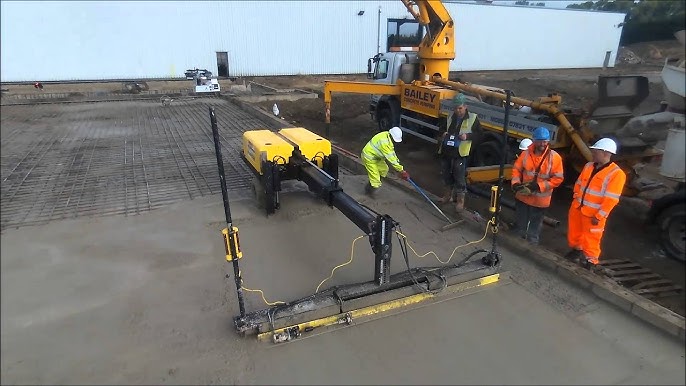
Foundation Pour & Anchor Bolt Setting
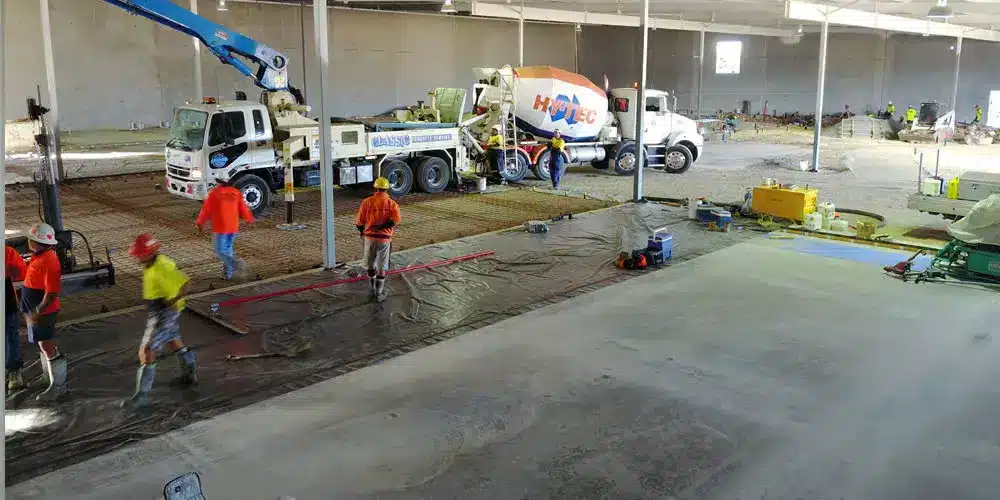
Forms go up only after the anchor bolt layout has been confirmed against the structural drawings, dimension by dimension. We pour the commercial concrete foundation slab with embedded anchor bolts set to exact position, projection, and orientation, with slab thickness and reinforcement following the structural engineer’s specifications. Concrete is cured under controlled conditions, in Dallas’s summer heat, that means wet-curing methods and early-morning pours when temperatures allow.

Steel Frame Erection & Enclosure
Once the foundation reaches the required compressive strength, steel frame erection begins. Columns are set to the anchor bolts, rafters are connected, and the primary structural frame is plumbed, squared, and bolted to specification before any wall or roof panels are attached. Secondary framing, wall panels, roof panels, trim, and doors follow in sequence, and where the scope includes thermal-block insulation, it is installed as the enclosure is built rather than retrofitted later.
Engineering Anchor-Bolt Stability on Dallas Clay
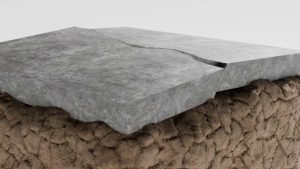
The hardest part of a Dallas metal building is not raising the steel, it is making sure the foundation that holds it never moves. A foundation slab that shifts even marginally after erection puts stress on column base plates and primary frame connections that were never designed to absorb lateral movement, and on raw Blackland Prairie clay that risk is real through every wet-dry cycle after the building is occupied.
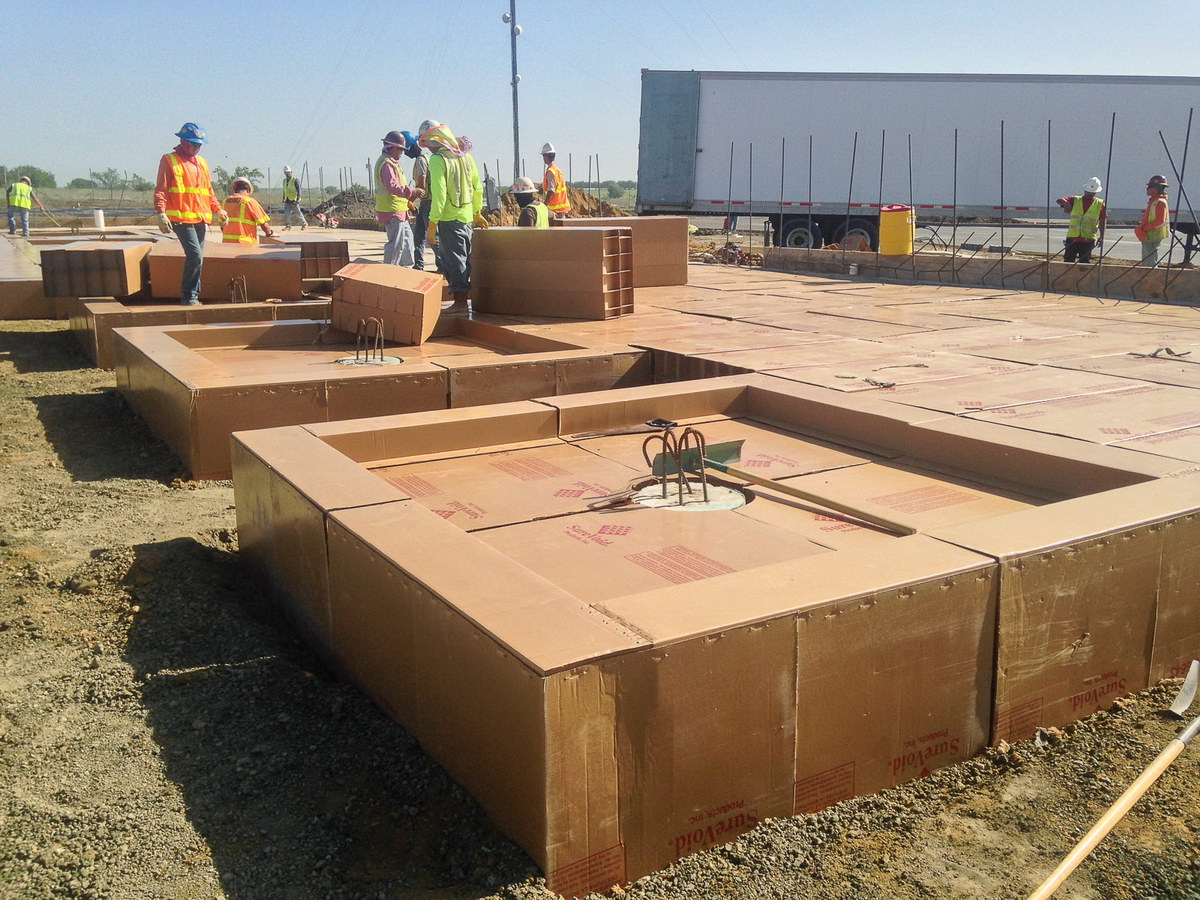
Stabilizing the Subgrade Before the First Form
We engineer against that outcome at the subgrade level, before the first form goes up. In clay-heavy development zones our site evaluation determines whether subgrade stabilization is needed, and we treat the ground accordingly so the anchor bolt grid stays dimensionally stable not just on pour day, but for the life of the structure. That is the quiet engineering that keeps your column connections sound and your building square years after the erection crew has left.
Established Industrial Zones vs. New Distribution Pads
The DFW commercial build market spans two very different starting conditions, and a metal building plan has to account for both. Established industrial zones in Garland and Mesquite frequently sit on compacted backfill from previous structures, which behaves differently under a new slab than virgin ground. Newer pads in outer Irving and Grand Prairie are often raw, expansive Blackland Prairie clay that demands stabilization before a foundation can be trusted to hold an anchor bolt grid.
Why the Soil Decides the Foundation Spec
Because the soil decides how stable the anchor bolts stay, we never treat the foundation as a commodity poured to a generic thickness. The slab thickness, reinforcement, and any subgrade treatment are all driven by the building’s actual load specs and the site’s actual ground, confirmed against the structural package before concrete is poured. Whether you are upgrading an older industrial site or building on a fresh distribution pad, the foundation is engineered for the conditions under your specific lot, which is what keeps the frame above it on schedule and square.
It is reasonable to wonder why one company handling both the slab and the steel matters so much, until you have watched a project stall over a two-inch dimensional conflict. Anchor bolt misalignment is the most common cause of metal building project delays, and when separate contractors work from different drawing interpretations, those dimensional errors become the owner’s problem to resolve. Handling both phases under one contract means the same team that sets the anchor bolts also raises the frame, using the exact same structural drawings throughout.
Why Splitting the Slab and the Steel Creates Delays
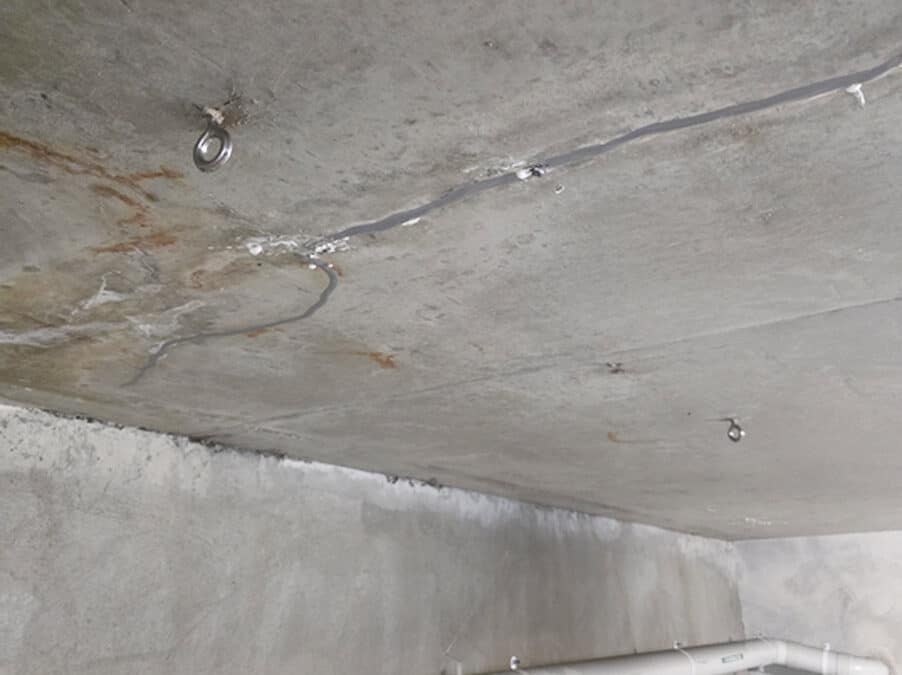

When One Crew Pours the Slab and Raises the Frame
A question we hear from Dallas commercial buyers is whether they can just hire a concrete company and a steel erector separately and coordinate the two themselves. You can, but you become the project manager responsible for resolving conflicts between two separate contracts, two separate crews, and two separate interpretations of the same drawing set, and when dimensions do not match, you are the one absorbing the cost and the schedule impact.
Design-Build Delivery Means One Accountable Team
We handle it differently. Design-build delivery, one company responsible for both design coordination and construction, means we own the outcome across every phase. Foundation dimensions, anchor bolt placement, slab thickness, and pier locations are all confirmed against the structural package before concrete is poured, and when we raise the frame, it is our foundation underneath. Nothing gets lost between trades because there is only one trade, and one team accountable from drawings to enclosed structure.
What a Metal Building Project Costs in Dallas
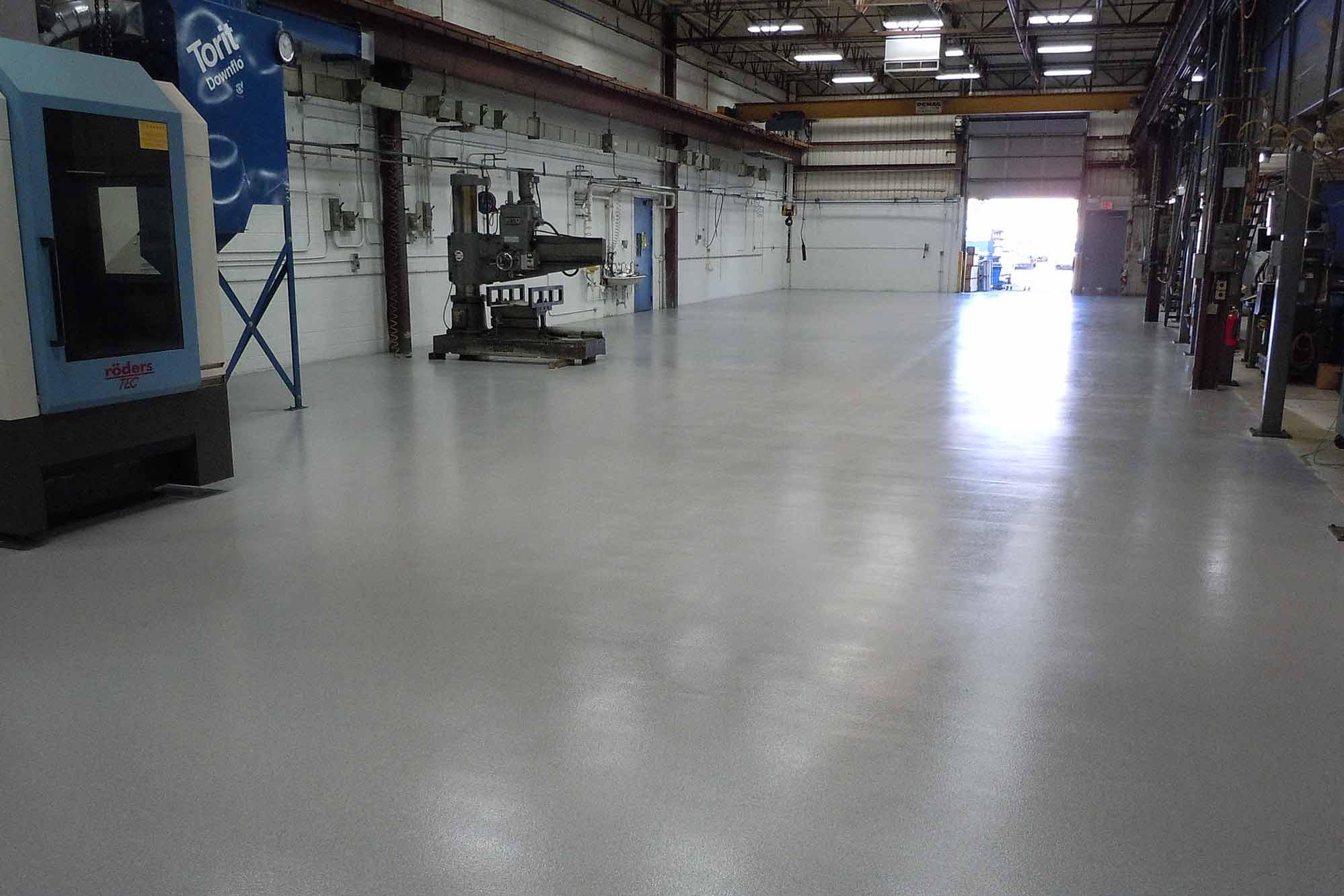
Metal building projects vary widely based on size, use, and site conditions, but a basic warehouse shell typically starts around $20 to $40 per square foot for combined foundation and erection work. Dallas clay-soil sites often require subgrade stabilization, which adds cost upfront but prevents the structural shifting that is far more expensive to fix after a building is occupied. Final pricing depends on building dimensions, anchor bolt complexity, insulation spec, and site access, and because we coordinate design through erection, we can turn around most commercial project quotes within 48 hours with phases, material specs, and foundation requirements included upfront.
Have a Building Size and Site in Mind? Let's Build a Scope
Metal building projects move faster when the scope is confirmed before the first shovel hits the ground. Call Urban Concrete & Construction at (214) 225-2062 or email info@concreteconstructiontx.com and share your building size, intended use, and site address. We turn around most commercial project quotes within 48 hours, with phases, material specs, and foundation requirements included upfront, so you start with a clear, coordinated plan from foundation to enclosed structure.
Frequently Asked Questions About Metal Buildings in Dallas
How much does a metal building project cost in Dallas?
Metal building projects vary widely based on size, use, and site conditions. A basic warehouse shell typically starts around $20-$40 per square foot for combined foundation and erection work. Dallas clay soil sites often require subgrade stabilization, which adds cost upfront but prevents structural shifting later. Final pricing depends on building dimensions, anchor bolt complexity, insulation spec, and site access.
Does Urban Concrete & Construction design the metal building itself, or just handle construction?
We coordinate the design phase and manage the full construction sequence, foundation through steel erection. The structural engineering for the pre-engineered metal building comes from the manufacturer. We verify those drawings against your site conditions before a single form goes up. That coordination is what prevents anchor bolt misalignment and keeps your project on schedule.
How long does a full metal building project take from start to finish?
Most commercial metal building projects run 4-10 weeks from site evaluation to enclosed structure. Foundation work takes 1-2 weeks, including cure time before steel erection begins. Steel frame erection moves quickly once the slab is verified. Timeline depends on building size, permit approval speed, and weather conditions during the pour.
What if I already have a pre-engineered metal building kit, can you just erect it?
Contact us directly to discuss your specific situation. Whether we can take on a standalone erection-only contract depends on the building kit manufacturer, the existing foundation drawings, and site conditions. Call (214) 225-2062 or email info@concreteconstructiontx.com and we will review what you have and let you know what is possible.
Why does it matter that one company handles both the slab and the steel erection?
Anchor bolt misalignment is the most common cause of metal building project delays. When separate contractors work from different drawing interpretations, dimensional errors become the owner’s problem to resolve. Handling both phases under one contract means the same team that sets the anchor bolts also raises the frame, using the exact same structural drawings throughout.
Do I need a permit for a commercial metal building in Dallas?
Yes, commercial metal building construction in Dallas requires building permits and typically engineer-stamped drawings. Projects near state roads may also fall under TxDOT review. We build permit requirements into the project timeline from the start, not after site work begins.
What types of metal buildings do you build in Dallas?
We build pre-engineered metal buildings for commercial, industrial, agricultural, and large-format storage applications across the Dallas metro, from warehouse and distribution shells to other steel-frame structures that need a reinforced concrete foundation with embedded anchor bolts. If your project needs the slab and the steel handled together under one contract, share your building size, intended use, and site address and we will confirm what is possible.