
Urban Concrete & Construction
Retaining Walls Built to Hold Dallas Ground in Place
Drainage engineered into every wall before the first block is set. Urban Concrete & Construction builds retaining walls and masonry structures across Dallas in block, brick, natural stone, and CMU, each selected for the specific load, drainage, and aesthetic demands of your site.
Masonry and Retaining Walls Built for Dallas Ground
Masonry, any construction that uses individual units such as blocks, bricks, or stones stacked and bound together with mortar or gravel, is one of the most permanent fixes a Dallas property can receive. When a yard slopes toward a foundation, when soil erodes after every rain, or when a grade change creates a drop that cannot be landscaped around, a properly built retaining wall is the structural answer. Urban Concrete & Construction builds retaining walls and masonry structures across Dallas using block, brick, natural stone, and CMU, each selected for the specific load, drainage, and aesthetic demands of the site.
Dallas soil is the reason this work is different here than anywhere else. The Blackland Prairie clay running under most of this metro applies lateral pressure on any wall that is not engineered to manage it, and that pressure changes with every rain cycle and every dry summer. What matters specifically for retaining walls is this: a wall built without drainage aggregate behind it, without weep holes at the base, and without a compacted gravel footing will not fail because the material is weak, it will fail because the water and soil movement were never accounted for. That is the problem we build around before the first block is ever set.

Why Walls in Preston Hollow and Lakewood Lean After a Few Years
Most retaining wall failures in the Dallas area trace back to the same root cause: the wall was built for the soil that was visible, not the soil behavior that was predictable. We have seen walls that lasted only three years before leaning forward, and newer walls in the Preston Hollow and Lakewood areas where the footing preparation was skipped in favor of speed. They do not hold.
Built for Visible Soil, Not Predictable Behavior
Blackland Prairie clay does not behave like ordinary fill. It holds water longer than sandy soil, and when it saturates after a heavy spring rain it swells and pushes laterally against whatever is anchored into it; when August hits and the surface cracks, it pulls. A wall anchored into that soil without accounting for the movement, and without an outlet for the water collecting against its face, builds hydrostatic pressure until it moves. Every wall we build addresses both forces, expansive clay movement and drainage pressure, as the baseline, not an optional upgrade.
Why Dallas Lots Require More Than a Standard Wall Build
Blackland Prairie clay, the expansive soil that runs under much of Dallas, from the older neighborhoods inside Loop 12 through the newer corridors in North Dallas near ZIP codes 75252 and 75287, holds water longer than sandy soil. When it saturates after a heavy spring rain it swells and pushes laterally; when August cracks the surface, it pulls. The second factor is grade-change drainage pressure: when a slope is interrupted by a wall, water that was moving down the grade now pools against the wall face, and with no drainage aggregate behind the block and no weep holes at the base, hydrostatic pressure builds until the wall leans. Where a project also requires surface grading corrections or French drain installation to manage water upstream of the wall, we coordinate that through our Dallas landscaping and drainage services rather than treating it as a separate contractor’s problem.


Choosing the Right Material for the Wall's Job
We build retaining walls and masonry structures for residential properties, commercial sites, and multi-use developments across Dallas. Block retaining walls use concrete masonry units (CMU) for structural walls where cost-efficiency and load capacity are the priority, common for grade changes on commercial pads, rear-yard slopes, and property-line separations. Brick walls suit decorative perimeter walls, garden enclosures, and accent structures where aesthetics drive the design. Natural stone walls, fieldstone, limestone, and cut stone, fit properties where visual character is the primary requirement.
Block, Brick, Stone, and Segmental Systems
Segmental retaining wall systems use interlocking concrete block engineered for taller walls with batter, the slight backward lean that resists forward pressure, and are common in residential backyards with significant grade change. Combination masonry structures integrate planters, steps, seating ledges, or pilasters into a single built structure, scoped and built as one project rather than assembled from separate contracts. Material selection is guided by what the wall needs to do, how tall it will be, what load it will carry, and what it needs to look like, and we give you a direct recommendation at the site evaluation.
The Drainage and Base Standards Built Into Every Wall
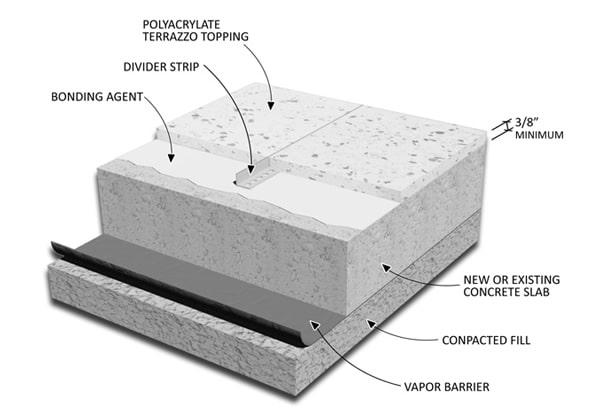
The construction standards we apply are the same regardless of project size, these are not premium add-ons, they are what a wall in Dallas requires to function. Before the first course is set, the base trench is excavated below grade and filled with compacted crushed stone, distributing load across a stable foundation that will not shift as the clay moves through seasonal cycles. Directly behind the wall we place a layer of clean crushed stone, the drainage aggregate, so water moves down through the wall zone instead of pooling against the back face. Weep holes at the base course let that collected water exit through the wall face. On walls over four feet, deadman anchors, horizontal ties running from the wall face back into the compacted soil, resist forward rotation as part of the structural design, and any wall over four feet measured from the bottom of the footing gets a City of Dallas permit, identified and managed during the site evaluation so excavation never stalls on a missed paperwork step.
How We Run a Masonry and Retaining Wall Project
The sequence we follow is the same whether the job is a 30-foot block wall in Mesquite or a natural stone perimeter wall in University Park. Every wall moves through the same stages, because each one is gated by the work beneath it.
Drainage-First, From First Cut to Final Grade
Phase One: Evaluation, Scope & Permitting
We walk the property with you, read the grade, identify where water moves, assess the surface soil condition, and confirm underground utility locations before any excavation is planned, a working visit, not a sales presentation. After the visit you receive a written quote specifying material, wall dimensions, drainage design, footing method, and permit requirements, with no material left vague and no drainage step listed as optional. For walls over four feet, we submit the permit application to the City of Dallas Development Services Department and track approval before scheduling excavation.

Phase Two: Base Prep & Wall Construction
The trench is cut, the base grade is established, and the compacted gravel footing is placed and verified before block work begins, base preparation is never skipped to save a day. Block, brick, or stone is then set course by course, with drainage aggregate placed and compacted in lifts behind the wall as each course goes up. Weep holes are placed at the base course, and deadman anchors are installed at the specified intervals on walls that require them.

Phase Three: Backfill, Final Grade & Walkthrough
Once the wall reaches full height and drainage is confirmed, backfill is placed and compacted in lifts behind the aggregate layer, and final grade is established to direct surface water away from the wall face, not toward it. Then we walk the completed project with you before we leave, you see the weep holes, the finished grade, and the drainage path. If something is not right, we fix it before the crew moves off-site.
Engineering Walls Against Expansive Clay Pressure
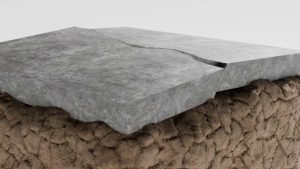
Blackland Prairie clay applies lateral pressure on any wall that is not engineered to manage it, and that pressure changes with every rain cycle and every dry summer. When the clay saturates after a heavy spring rain it swells and pushes laterally against whatever is anchored into it; when August cracks the surface, it pulls. A wall anchored into that soil without accounting for the movement is a wall with a limited life span.

Relieving Hydrostatic Pressure Before It Builds
The other force is grade-change drainage pressure. When a slope is interrupted by a wall, water that was moving down the grade pools against the wall face, and with no outlet, no drainage aggregate layer behind the block and no weep holes at the base, hydrostatic pressure builds until the wall moves. Every wall we build relieves that pressure by design: gravel footing below, drainage aggregate behind, and weep holes at the base. That drainage-first construction is the difference between a wall that holds for decades and one that leans after the first wet spring.
The Site and Grade Conditions We Regularly Work With
Retaining wall projects in Dallas fall into a few consistent site types, and knowing which one you are dealing with determines the wall design before a single measurement is taken. Sloped residential backyards are the most common call, a yard that drops four to eight feet across its width, often in Lake Highlands, Northwood Hills, or the creek-adjacent lots in East Dallas, needing walls that stop erosion, reclaim usable flat area, and redirect drainage away from the structure. Commercial pad grade separations along Greenville Avenue, the Design District, or industrial corridors near I-30 hold the elevation difference between adjacent parcels and keep the pad from eroding.
From Foundation Slopes to Terraced Multi-Wall Systems
When a yard slopes toward a structure, water follows it, and a retaining wall positioned to intercept and redirect that slope protects the foundation from chronic moisture exposure, one of the more expensive problems Dallas homeowners discover after the fact. Property-line walls define edges and provide visual separation, with material choice often driven by aesthetics. Taller grade changes over six feet are frequently handled as terraced multi-wall systems, a series of shorter walls with planted terraces between them, which distributes the structural load and creates a more manageable drainage path, scoped as a single project.
It is tempting to judge a retaining wall by its material, the look of the stone or the size of the block, but that is not what determines whether it holds. Walls fail from water pressure, not from soil weight alone, and the drainage and base preparation behind the wall determine how long any material lasts. A CMU block wall built drainage-first will outlast a beautiful stone wall poured onto unprepared clay every time, which is why we never skip the gravel footing, the aggregate backfill, or the weep holes to save a day.
Why the Drainage Behind the Wall Outlasts the Material in Front


Wall and Grading Work Delivered Under One Contract
Most property owners assume a retaining wall and the grading around it are two separate jobs, hire a grading contractor first, then a mason, and that handoff is where drainage details get lost. Water management upstream of the wall and the wall itself have to be designed together, or the wall inherits a problem it was never built to absorb.
One Crew, First Cut to Final Grade
We scope grade changes and retaining wall construction together under one contract, handling excavation, base preparation, wall installation, and backfill as a single coordinated sequence. You do not need a separate grading contractor before we can start, and where a project requires surface grading corrections or French drains to manage water upstream, that work is coordinated through the same crew rather than treated as someone else’s problem. One team manages the full scope from the first cut to final grade.
What a Retaining Wall Costs in Dallas
Retaining wall pricing typically runs $25 to $75 per square foot of wall face, depending on material and height. Block walls cost less than natural stone, and taller walls that require drainage aggregate, deadman anchors, and permits add to the total. Clay-soil sites almost always need additional base preparation, which we factor into your quote upfront rather than surfacing it as a surprise after excavation. You receive a written scope and material recommendation after a site visit, not a phone estimate that changes when we arrive, covering material, drainage design, footing method, and permit requirements in one document.

Schedule Your Dallas Retaining Wall and Masonry Project
If your yard is moving soil, losing grade, or directing water somewhere it should not go, a properly built retaining wall is the fix that holds. Call Urban Concrete & Construction at (214) 225-2062 or email info@concreteconstructiontx.com, and we will schedule a site evaluation, walk the grade with you, and give you a written quote that covers material, drainage design, footing method, and permit requirements in one document, not a phone estimate that changes when we arrive.
Frequently Asked Questions About Retaining Walls & Masonry in Dallas
How much does a retaining wall cost in Dallas?
Retaining wall pricing typically runs $25 to $75 per square foot of wall face, depending on material and height. Block walls cost less than natural stone. Taller walls requiring drainage aggregate, deadman anchors, and permits add to the total. Clay soil sites almost always need additional base preparation, which is factored into your quote upfront.
Does a retaining wall in Dallas require a building permit?
Any retaining wall over 4 feet tall, measured from the bottom of the footing, requires a City of Dallas building permit. Shorter walls generally do not. We identify permit requirements during the site evaluation and handle that process before work begins, so your project isn’t stalled by a paperwork gap after excavation starts.
What's the difference between a block wall, brick wall, and stone wall, and which one lasts longer?
All three materials are durable when built correctly. CMU block walls are the fastest to build and most cost-effective for structural applications. Brick suits decorative and accent walls. Natural stone offers the best visual character but requires more skilled labor. Material choice affects cost and aesthetics; the drainage and base preparation behind the wall determines how long any of them last.
How long does retaining wall installation take from start to finish?
Most residential retaining walls finish in two to four days on-site. Larger or taller walls requiring drainage aggregate backfill and compacted base layers add a day or two. If a permit is required, allow additional time for city approval before work begins. We give you a realistic schedule after the site evaluation, not a guess made before we’ve seen the grade change.
How do I know the wall won't tip forward or fail after heavy rain?
Walls fail from water pressure, not from the soil weight alone. Every wall we build includes gravel backfill directly behind it, weep holes at the base for drainage, and deadman anchors on taller walls. These aren’t upgrades; they’re built into every project. That drainage-first approach is what separates a wall that holds for decades from one that leans after the first wet spring.
Can you build a retaining wall and handle the grading work in one project?
Yes, grade changes and retaining wall construction are scoped together under one contract. We handle excavation, base preparation, wall installation, and backfill as a single coordinated sequence. You don’t need a separate grading contractor before we can start. One crew manages the full scope from the first cut to final grade.
What's the tallest retaining wall you can build, and how is a tall wall different?
Walls over four feet are where structural design steps up: they require deadman anchors tied back into the compacted soil to resist forward rotation, a City of Dallas permit, and often a segmental block system with built-in batter. For grade changes beyond about six feet, we frequently use a terraced multi-wall system, a series of shorter walls with planted terraces between them, which distributes the load and creates a more manageable drainage path, all scoped as a single project.