
Urban Concrete & Construction
Dallas Yards Drain Better When the Grade Is Right
One crew handles grading and flatwork, no separate drainage contractor to coordinate or pay. Urban Concrete & Construction designs surface grading, French drains, catch basins, and downspout routing into the same project scope as your concrete, so drainage and flatwork are planned together and hold up long-term.
How Drainage Solutions Work for Dallas Properties
Good drainage moves water away from your foundation, your concrete, and your yard before it does lasting damage. Landscaping and drainage solutions, the systems designed to direct rainwater away from structures and hard surfaces, are a core part of how Urban Concrete & Construction plans every project. Surface grading reshapes the slope of your yard so water flows away from buildings, and a French drain, a buried perforated pipe in a gravel trench, carries collected water to a safe outlet.
Those two fixes solve the majority of Dallas properties that collect standing water after rain, and we build them into the same project scope as your concrete work. Drainage and concrete planned together from the start means one outcome that holds up long-term. Where drainage intersects with retaining-wall construction or site excavation, the same crew handles those scopes under the same project plan, no handoff between contractors and no coordination gap to leave water pooling where it should not.
Solving Foundation-Adjacent Pooling on an Older Dallas Lot
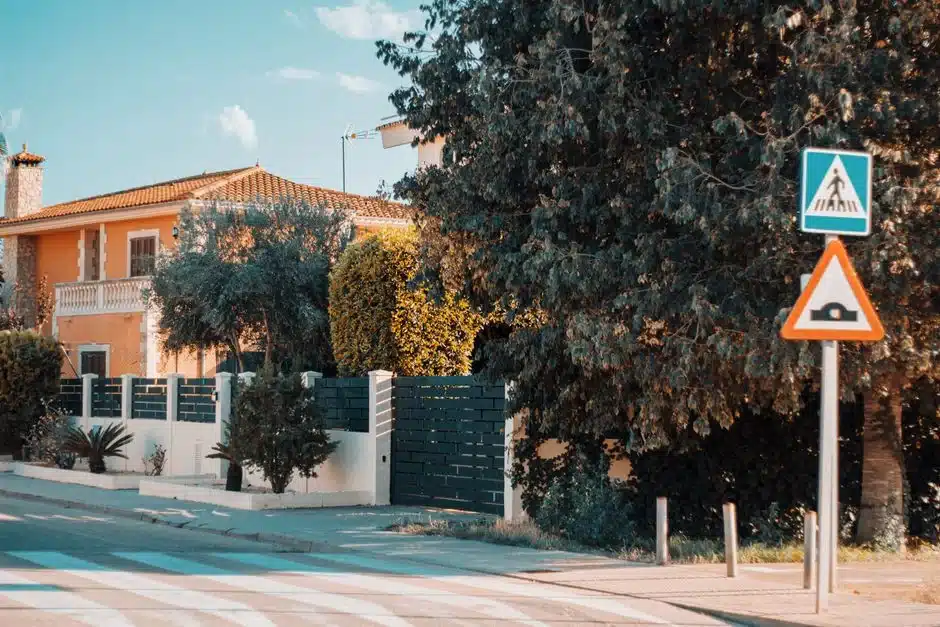
We have walked hundreds of Dallas lots after a hard rain, and the puddles always follow a pattern. On older properties, think East Dallas, Oak Cliff, and the M Streets, we repeatedly find water sitting within three feet of the foundation, which almost always means the grade slopes toward the house instead of away. Left alone, every storm pushes thousands of gallons straight at the slab edge and the foundation.
Correcting the Grade Before the Concrete Goes In
On a recent project the homeowner wanted a patio extension, but the existing grade pointed straight back at the house and a downspout emptied directly behind the planned slab edge. Pouring over that would have locked the problem in permanently. Instead we corrected the surface grade, rerouted the downspout into a buried extension tied to a controlled outlet, and only then set forms. The patio went in over a yard that finally drains the right direction, drainage and flatwork working together instead of against each other.
Why Dallas Clay Keeps Water Above Ground
Dallas clay does not absorb rainwater quickly, it sheds it, and that is the starting point for every drainage conversation we have. When rain hits the ground, it does not percolate down; the dense clay matrix resists infiltration, so water stays at the surface, finds the lowest point in your yard, and parks there, and the more compacted the soil profile, the longer it stays. We have seen this repeat across East Dallas, Oak Cliff, North Dallas, and the older streets along the I-30 and I-20 corridors: low spots collect water near fence lines, patios flood at the edges, and driveways drain toward the garage instead of away from it. These are predictable failures from yards graded flat or slightly off when the home was built, and surface grading correction fixes the root issue while a French drain handles what grading alone cannot redirect.
Reading What Standing Water Is Telling You About Your Yard
Standing water is a grade map; it shows exactly where your yard’s slope is directing every drop of rain. Water sitting within three feet of a foundation usually means the grade slopes toward the house instead of away, a surface grading problem and one of the most common issues we correct before pouring a patio or extending a driveway. Water pooling in the middle of a yard, away from any structure, usually points to impervious-surface runoff: water that cannot soak in because it lands on concrete or compacted soil first, then runs to the lowest point.
Matching the Fix to the Failure
Knowing which problem you have before the concrete goes in is what changes the long-term outcome. As more concrete is added to a property, driveway, patio, walkways, total runoff increases, and a drainage swale, a shallow, wide channel that guides water toward a controlled outlet, often handles that better than a French drain alone. Water collecting at a patio edge or running under a slab usually means a downspout was not routed far enough from the structure; a buried downspout extension is a low-cost fix that prevents one of the most common causes of slab damage in Dallas, where a patio slab can shift within two years when a downspout empties right behind the slab edge.
The Drainage Standards Baked Into Every Project We Design
Every Urban Concrete & Construction project includes a drainage review before any concrete is placed. We check grade before forming, assessing slope direction and runoff path for every project area before we set a single form board, and we plan outlet-first, locating where water needs to go before deciding how to move it, because the outlet matters more than the inlet. French drains are sized to the site, with pipe diameter, gravel depth, and trench run matched to the actual volume of water your property generates rather than a one-size-fits-all spec. Catch-basin sizing accounts for total impervious surface, not just the new pour; we review existing downspout discharge against the new concrete layout and flag conflicts early; and we add erosion control at the outlet, with rip-rap or concrete aprons treated as standard, not add-ons.
Our 3-Step Drainage Installation Sequence
Our drainage process runs in a defined order, grade first, infrastructure second, concrete last, because doing it any other way locks problems in. We map drainage at the same time as the concrete layout so the two systems are designed to work together from day one.
Outlet First, Then Grade, Then Pour
Step One: Site Assessment
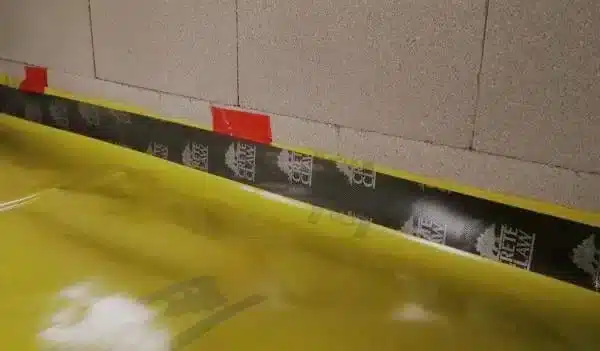
We start with a site walk after a rain event when possible, or assess grade using a level and measuring tools across the full project area. We identify where water currently flows, where it stalls, and what is causing it, surface slope, existing downspout locations, and the position of any nearby concrete or structures all factor into the assessment so the plan reflects how your yard actually behaves in a storm.
Step Two: Installation
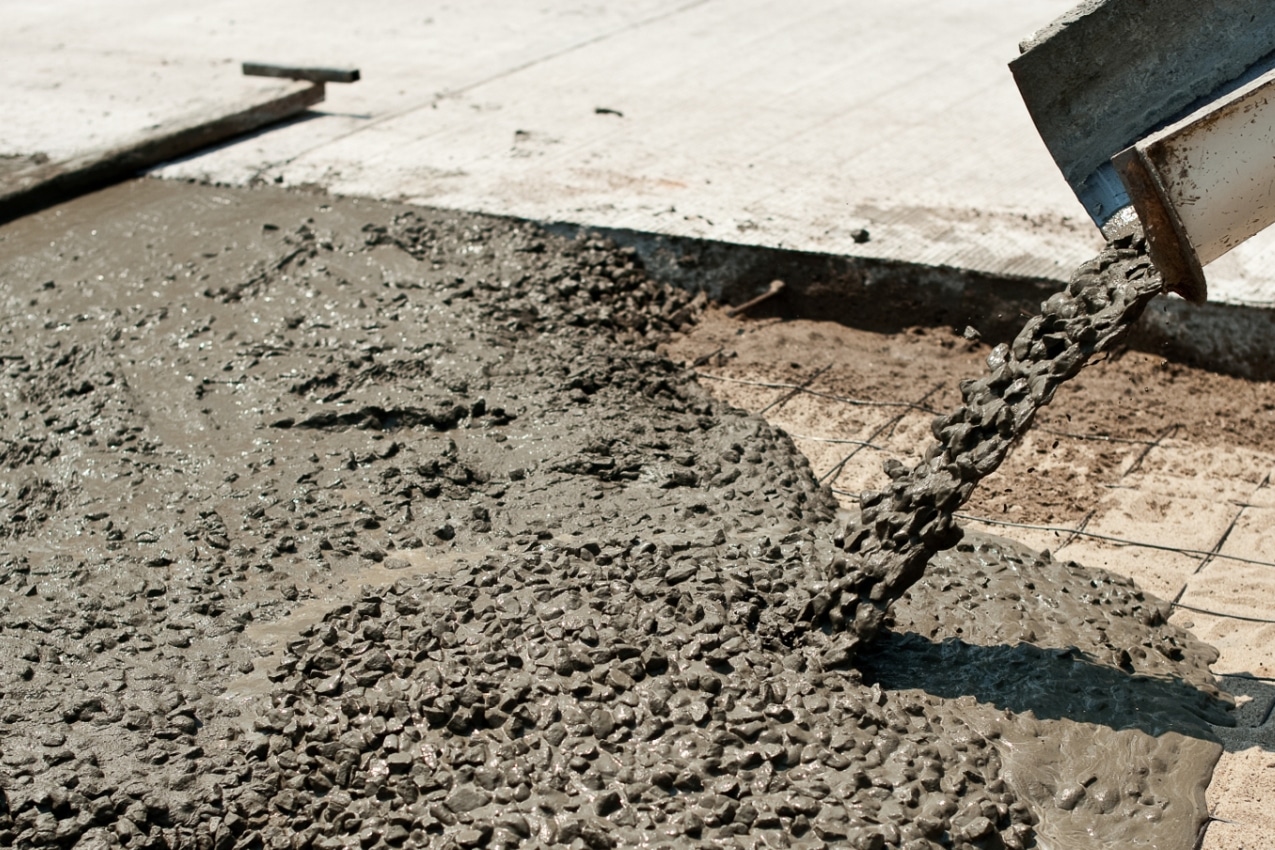
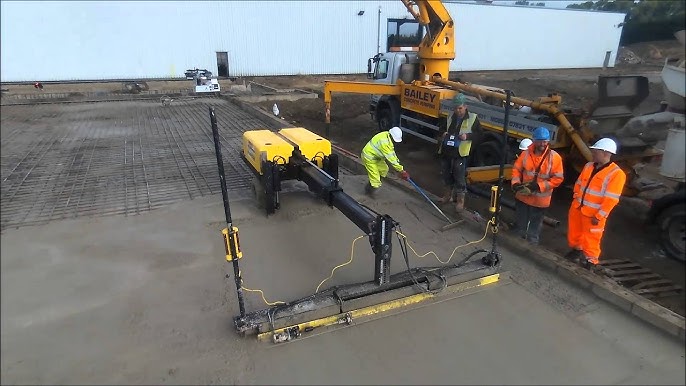
Based on the assessment, we sequence the work: surface grading corrections are made to the subgrade before compaction, French drain trenches are excavated along the planned run with gravel set and perforated pipe laid at the correct slope before backfilling, and catch basins are positioned and connected to the outlet pipe before forms are set. Downspout extensions are buried and tied into the drainage outlet, and only then do forms go up, reinforcement gets placed, and concrete is poured on a properly drained and graded base.
Step Three: Post-Installation Confirmation
After the concrete cures, we walk the drainage system during or after the next significant rain. Flow direction, outlet discharge, and surface runoff behavior are all confirmed against the original plan, and any grading adjustments at the edges are made before the project is closed out, so you do not discover a problem the first time a real storm tests the yard.
Why Drainage Belongs Before the Pour, Not After
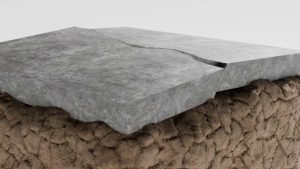
Drainage installed before the pour is the simplest way to extend the life of any concrete project. One question we hear often is whether the drainage can just go in after the patio is done, and while it is possible, it is harder, more expensive, and less effective after the fact. Once concrete is poured, grading corrections require cutting or removing existing flatwork, and French drain trenches have to route around slabs instead of running the most direct line.
Mapping Drainage and Concrete Together
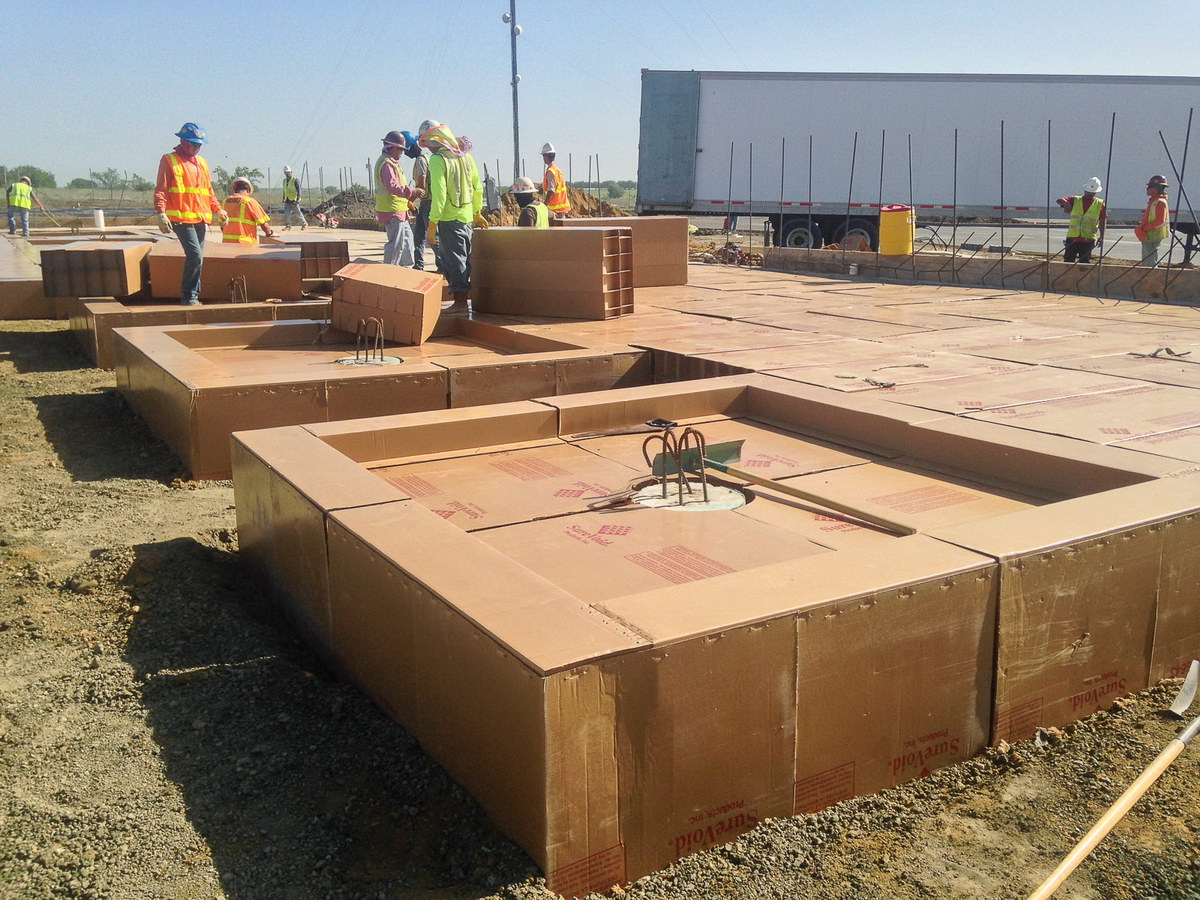
Catch basins, grated ground-level inlets that collect surface runoff from hard surfaces, are far easier to position correctly before the pour than after. So we map drainage at the same time as the concrete layout: we identify the outlet point first, work backward to confirm the grade supports flow toward it, and install any buried infrastructure before the forms go up, with the concrete going in last. That sequence costs no more than a properly planned single project, and it means the drainage and the flatwork work together instead of competing for the same ground.
How Dallas Neighborhoods Drain Differently
Yard drainage problems in Dallas are not uniform across the city, and the right plan depends on where you are. Older neighborhoods in East Dallas and Oak Cliff deal with decades of grade shift from tree-root displacement and settled soil, particularly on lots with large post oaks and cedar elms pushing through the clay. The M Streets and Lakewood frequently show foundation-adjacent pooling from original grading that has settled unevenly over sixty-plus years.
Outlet Planning Tuned to Your Block
In North Dallas, properties along Preston Road and the tollway corridors face newer construction where drainage was sized for typical rainfall and consistently underperforms in heavy storms. Along the I-30 and I-20 corridors through Mesquite and Grand Prairie, we frequently correct drainage that routes water toward structures rather than away, a product of large flat lots with minimal engineered slope. In Garland and Richardson, properties near the Spring Creek and Duck Creek corridors require outlet planning that accounts for existing stormwater infrastructure. We scope drainage and flatwork together on a single site visit across all of these areas, so the design fits your block, not a generic template.
When a yard floods after every heavy rain, it is tempting to write it off as a nuisance rather than a problem worth solving. But recurring post-rain pooling near a foundation or slab edge is a serious warning sign: Dallas clay sheds water instead of absorbing it, so every storm sends the same volume to the same low spot, and repeated saturation at a slab edge accelerates the soil movement beneath it. If it pools after every significant rain, the grade needs correction before more concrete goes in.
Why Recurring Pooling Is a Problem, Not a Nuisance

Drainage and Flatwork Delivered by One Crew
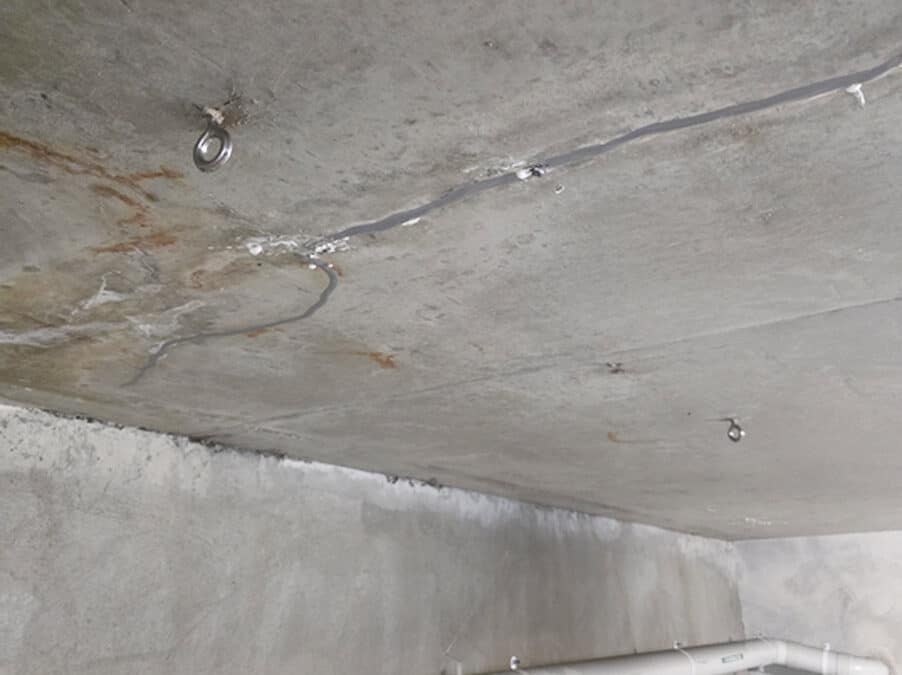
Most property owners assume drainage and concrete are two separate jobs handled by two separate companies, and that assumption is exactly what causes the two systems to fight each other. A landscaping company installs drainage without knowing where the slab edge will land, and a concrete crew pours without knowing where the water is supposed to go.
One Site Visit, One Coordinated Plan
We design drainage as part of the concrete project, not as a separate landscaping add-on. Outlet location, grade slope, and pipe routing are all planned against the concrete layout before forms are set, on a single site visit with no separate contractor to schedule or coordinate. That is the difference between a drainage system that quietly protects your concrete for years and one that was never aligned with the slab it sits next to.

What Yard Drainage Installation Costs in Dallas
French drain and grading projects typically run $1,500 to $6,000 for residential Dallas properties, and the range depends on real variables: drain length, outlet distance, and whether catch basins or downspout extensions are part of the scope. Clay-soil sites often need extra grading passes before buried pipe can be set correctly, which factors into the estimate. We confirm scope and pricing after the on-site assessment rather than guessing blind, so the number reflects your actual yard, your actual outlet, and the actual fix the grade needs, not a generic per-foot figure that falls apart once we are standing on the property.
Start With the Drainage Conversation First
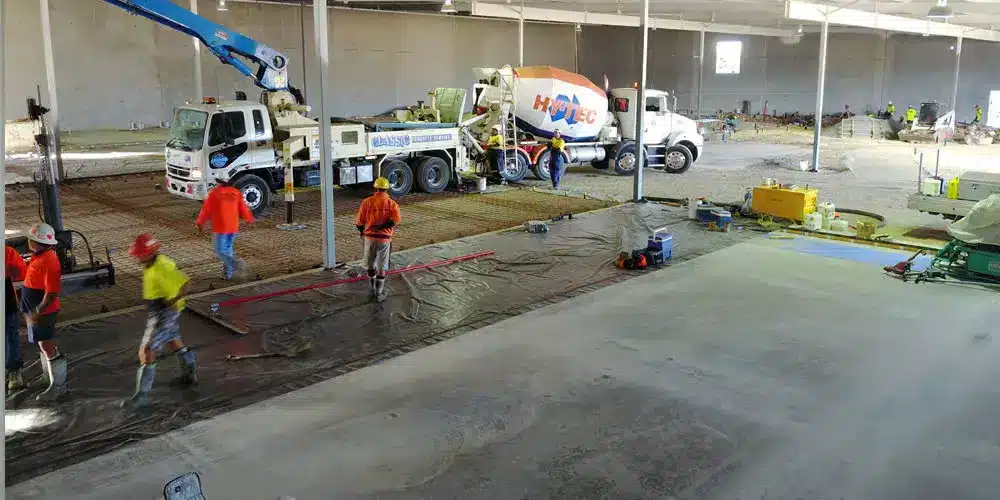
The right time to talk about drainage is before anything is poured, not after. Call Urban Concrete & Construction at (214) 225-2062 or email info@concreteconstructiontx.com to schedule a site visit, and we will assess your yard’s grade, identify where water is currently going, and show you how drainage fits into your concrete project plan, all in the same visit, with no separate contractor to schedule or coordinate. Get the grade right first, and the concrete that follows is protected for the long haul.
Frequently Asked Questions About Yard Drainage & Grading in Dallas
How much does yard drainage installation cost in Dallas?
French drain and grading projects typically run $1,500 to $6,000 for residential properties. Cost depends on drain length, outlet distance, and whether catch basins or downspout extensions are included. Clay soil sites often need extra grading passes before buried pipe can be set correctly. Scope and pricing are confirmed after the on-site assessment, not estimated blind.
Does drainage work get done before or after the concrete is poured?
Drainage infrastructure is always installed before concrete goes in. Grading corrections, French drain trenches, and catch basin placement happen first. Pouring concrete over an unresolved drainage problem locks the issue in permanently. Our sequence: grade assessment, drainage installation, formwork, then pour, in that order, every project.
Can drainage be added after my patio or driveway is already poured?
Post-pour drainage corrections are possible but more expensive and less effective. Trenching around existing slabs limits where pipes can run. Grading adjustments near finished concrete often require saw-cutting or partial removal. Addressing drainage before the pour costs far less and produces better results than retrofitting after the fact.
What separates your drainage approach from a standard landscaping company?
We design drainage as part of the concrete project, not as a separate landscaping add-on. Outlet location, grade slope, and pipe routing are planned against the concrete layout before forms are set. A landscaping company installs drainage without knowing where the slab edge lands. That mismatch causes the drainage system and the concrete to work against each other.
My yard only floods after heavy rain, is that serious enough to need drainage work?
Recurring post-rain pooling near a foundation or slab edge is a serious warning sign. Dallas clay sheds water instead of absorbing it, so every storm sends the same volume to the same low spot. Repeated saturation at a slab edge accelerates soil movement beneath it. If it pools after every significant rain, the grade needs correction before more concrete goes in.
Do I need a permit for French drain or grading work in Dallas?
Most residential French drain and surface grading projects do not require a City of Dallas permit. Projects that redirect water across property lines or affect public drainage infrastructure may require review. We identify any permit questions during the site assessment and handle the process before work starts, you will not discover a permit gap mid-project.
What's the difference between a French drain and a drainage swale?
A French drain is a buried perforated pipe set in a gravel trench that collects and carries water underground to a controlled outlet, which works well for redirecting water that grading alone cannot move. A drainage swale is a shallow, wide surface channel that guides runoff toward an outlet, and it often handles broad impervious-surface runoff better than a French drain alone. During your site assessment we determine which one, or which combination, your yard actually needs based on where the water is collecting and why.