
Urban Concrete & Construction
Old Concrete Out, Grade Set, Site Ready in Dallas
No second contractor and no scheduling gap between demolition and your new pour. Urban Concrete & Construction handles demolition, excavation, site grading, subbase compaction, and licensed haul-off across Dallas, then our concrete crew mobilizes on the same schedule, under one point of contact.
What Demolition and Site Prep Actually Covers on a Dallas Project
Demolition and site prep is everything that has to happen before concrete can be poured. It starts with breaking up and removing existing driveways, slabs, patios, and sidewalks, that is concrete demolition: mechanically breaking apart and extracting existing concrete surfaces so new construction can begin on clean ground. Then the ground gets shaped. Site grading reshapes the soil so water drains away from structures, not toward them, and subbase compaction mechanically compresses the soil beneath the future slab to eliminate air pockets and increase load-bearing strength.
Finally, haul-off closes out the phase: broken concrete, excavated soil, and debris are loaded into a truck and transported to a licensed disposal or recycling facility. The pour does not start until every one of those steps is done right. Because Urban Concrete & Construction handles demolition, grading, and the concrete pour under one contract, you never manage two contractor timelines or wait for one crew to clear before another can quote. One call, one scope, one point of contact from start to finish, and a site that is genuinely ready before forms ever go in.
Clearing Heaved Mid-Century Slabs on Older Dallas Lots
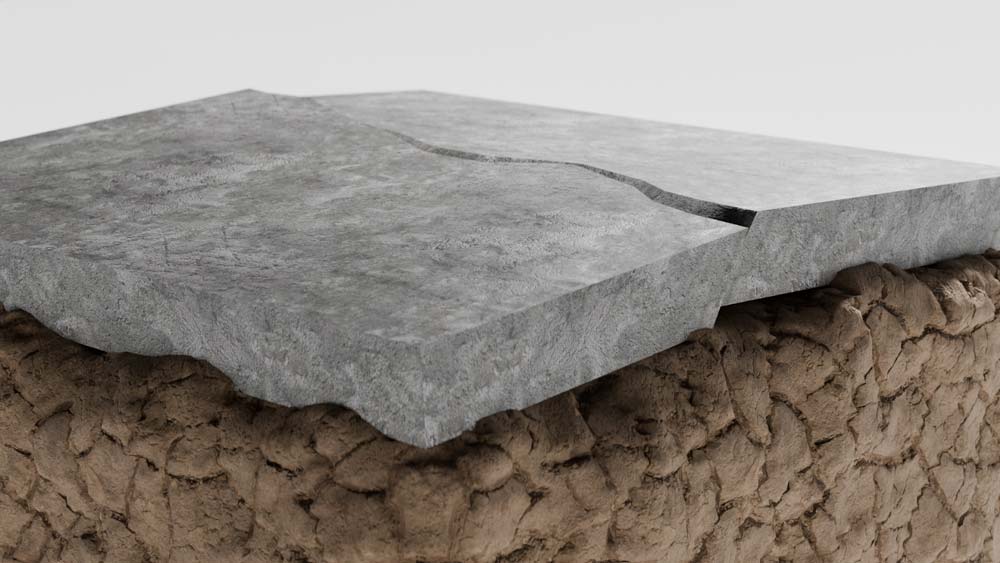
We have walked dozens of Dallas properties where the original driveway or backyard slab was poured sometime between the 1960s and 1980s. The slabs look simply cracked from the surface, but when we get into them, the clay soil underneath has heaved sections into completely different elevations. One corner of a 400-square-foot slab might sit two inches higher than the opposite corner, and the concrete has fractured along that fault line into irregular chunks.
Reading How the Clay Moved the Slab
That broken geometry matters for two reasons. First, the breaking pattern tells us what the subgrade, the compacted soil layer directly beneath the slab, actually did over the decades. Second, those irregular chunks require more breaking passes before they are small enough to load efficiently. A thin-blade hydraulic breaker works fast on flat, cracked concrete; a slab that has heaved and folded takes a different approach, because you are working around broken geometry instead of a flat surface. A crew that understands the soil does more precise demo work, which directly shapes what the grading phase needs to address.
Why a Rushed Compaction Produces a Slab That Moves
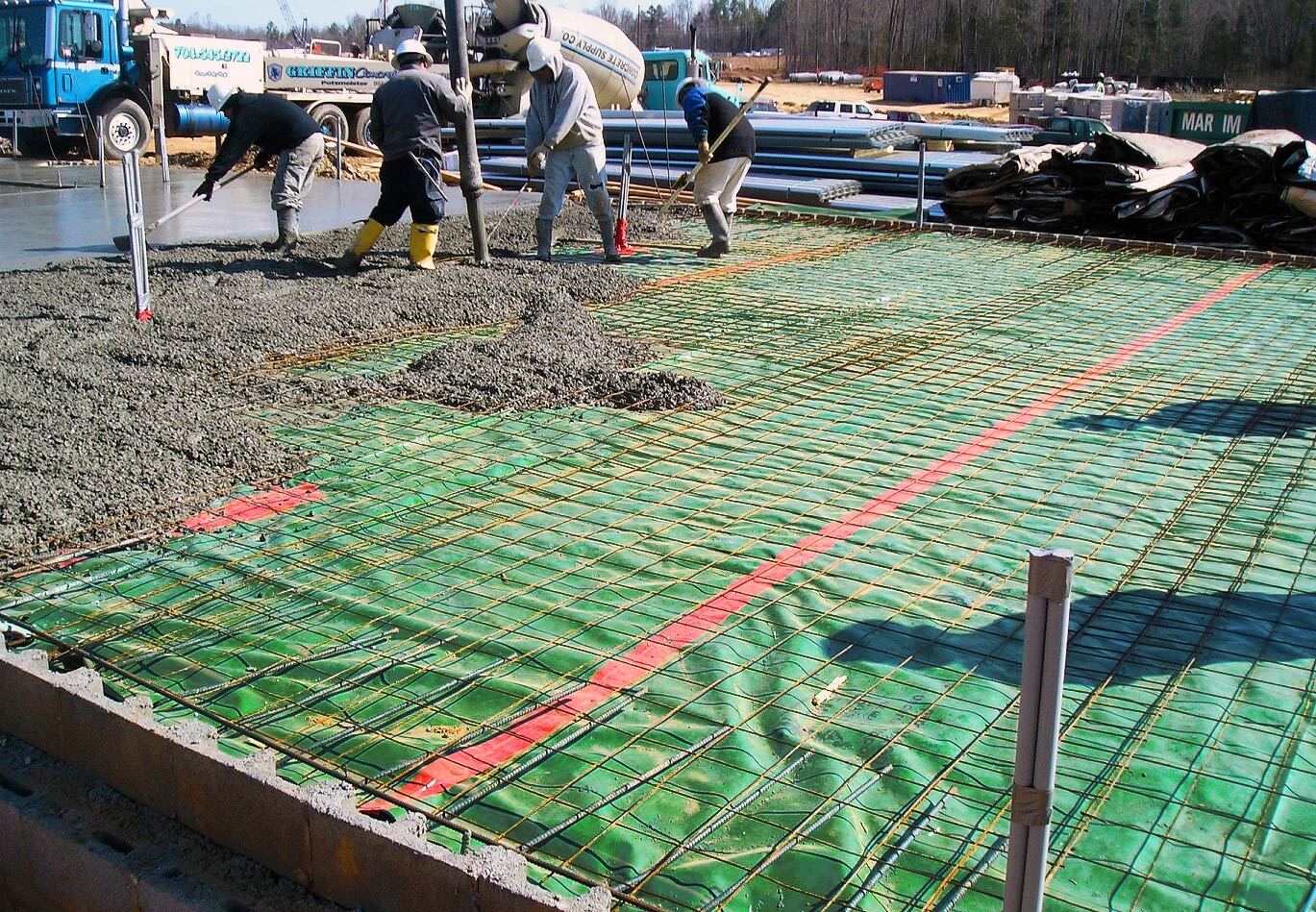
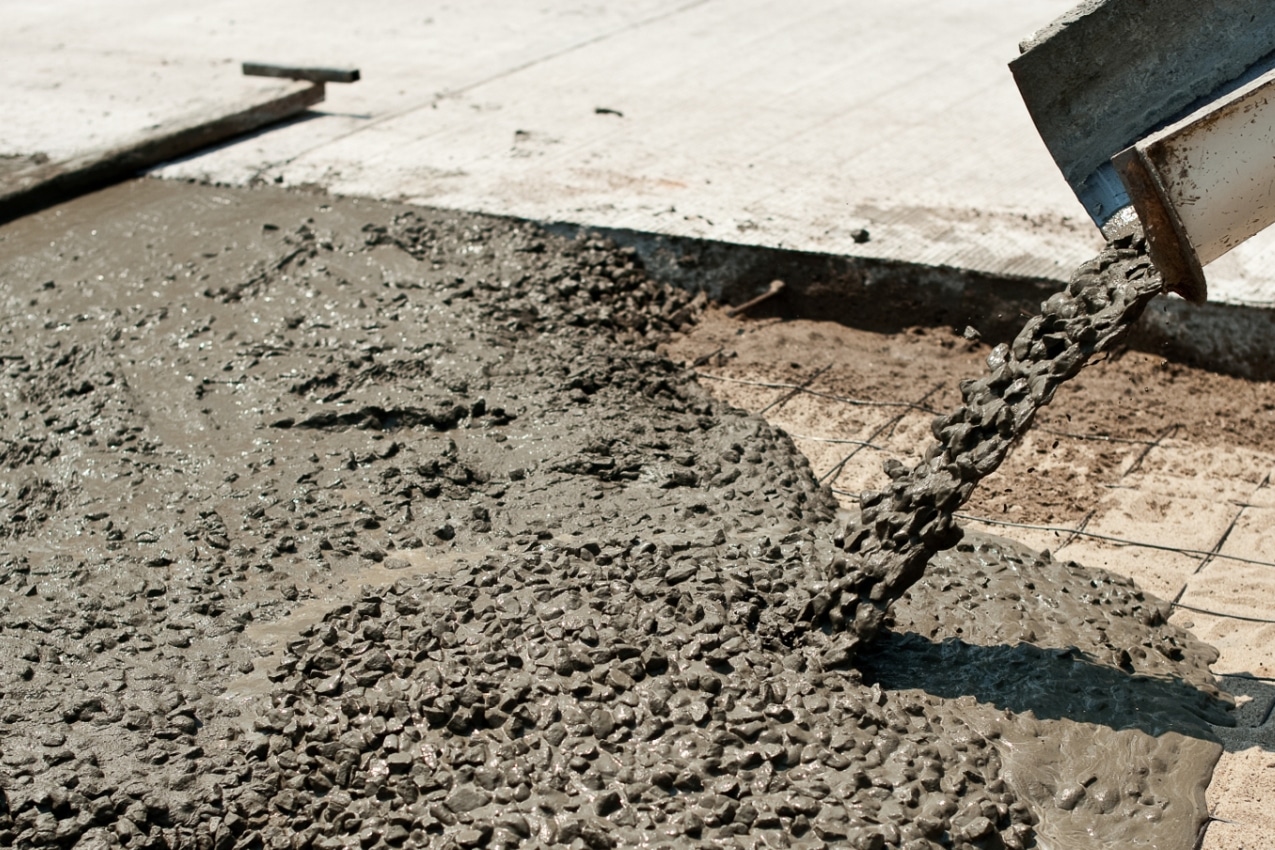
Proper subbase compaction is not optional, it is why concrete slabs hold their shape for decades. A common question we get is whether we can start the pour the same week as the demo, and the honest answer depends on what the ground needs after excavation. Compaction requires the material to be at the right moisture content, and Dallas clay that has been exposed and disturbed sometimes needs time, moisture conditioning, or imported base material before it compacts correctly. Where the clay is severely destabilized, a lime treatment may be warranted. Rushing compaction just to hit a pour date produces a slab that moves, so we tell you what the ground actually needs while we are standing on it: if it is ready fast, we move fast; if it needs a day of conditioning or a layer of flexible base, we will say so and explain why it matters for the life of your slab.
Matching Equipment to Every Dallas Lot Before We Mobilize
Dallas site conditions vary more than most cities, and that changes the equipment, not just the timeline. Inside Loop 12, lots are narrow, fences sit close, and driveways run next to foundations with almost no buffer. In those conditions we mobilize compact equipment, mini-excavators and skid steers that can work a tight residential corridor without damaging the adjacent structure or the neighbor’s fence line.
Compact Machines for Tight Access, Full-Size for Open Pads
Further out toward the eastern and southern corridors, parcels open up, larger machines can move, and demo and grading on bigger commercial pads go faster. Here is what most property owners do not realize about site access: the machine size that works in one Dallas neighborhood creates access problems three miles away. So we assess the lot before we schedule equipment. That single step prevents delays and avoids damage claims, and it is why our crews show up with the right machine for your specific property the first time.
The Site-Work Standards We Hold Every Job to Before the Pour
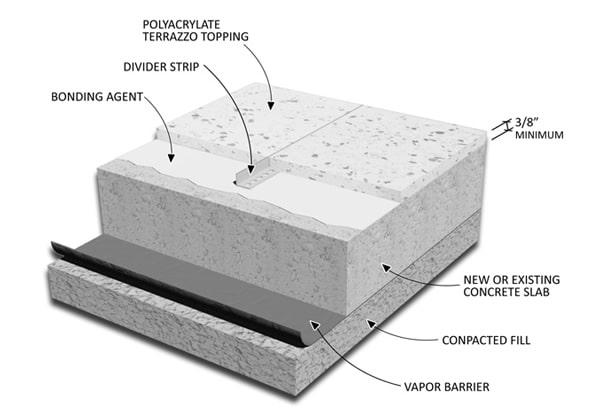
Every site-prep decision we make is driven by what the finished concrete requires, with no shortcuts between demo and pour. We break concrete by hydraulic breaker for consistent chunk size and faster load times, and all demolished concrete and excavated soil goes to licensed disposal or approved concrete-recycling destinations. We grade to positive drainage, a minimum of one-eighth inch per foot away from any foundation, and we verify subbase compaction before forms go in rather than assuming it. On larger sites we use cut and fill, moving soil from high areas to low areas to reduce imported material, and where it qualifies we crush demolished concrete into compactable base material, lowering haul-off volume and disposal fees. The ground has to be right before anything else happens.
Our 3-Phase Demolition and Site-Prep Process
Every demolition and site-prep job follows the same phase sequence, because the phases build on each other. We run them in the same disciplined order on every Dallas project so nothing gets missed and the concrete crew can mobilize the moment the ground is verified.
One Crew From Demo to Pour, No Scheduling Gap
Phase One: Site Assessment and Demolition
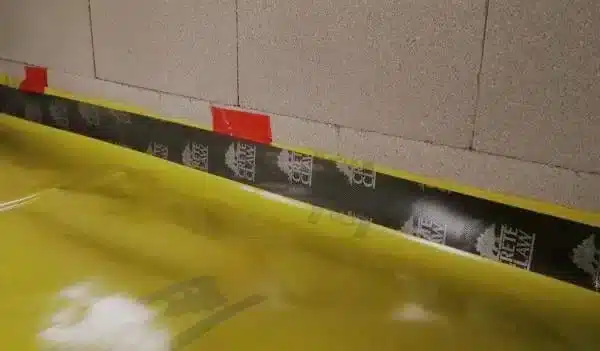
We walk the site before equipment arrives, confirm lot access, identify underground utilities through 811 notification, and note any surface conditions, adjacent structures, irrigation lines, drainage patterns, that affect how we break and remove the existing concrete. Demolition then begins with mechanical breaking: concrete is reduced to manageable pieces and loaded directly into haul vehicles or staged for pickup, working in sections on larger slabs to keep the area organized and the access path clear.
Phase Two: Excavation and Grading
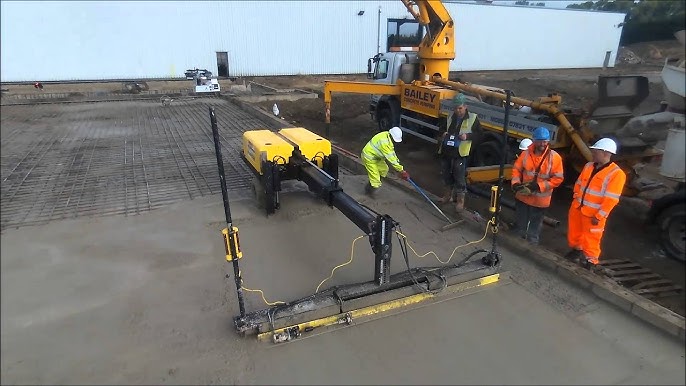
Once the surface concrete is out, we excavate to the required depth for the new pour, typically four to six inches below finished grade for standard residential flatwork and deeper for commercial slabs or projects with structural requirements. Site grading follows, shaping the ground to drain correctly. On Dallas clay this step is non-negotiable, because water that pools against a foundation or under a slab accelerates clay movement from below.
Phase Three: Subbase Compaction and Confirmation
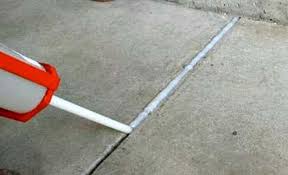
Compactable base material is added where needed and mechanically compressed in lifts, layers, with each lift compacted before the next goes down. This step is where long-term slab stability is built. When compaction is confirmed, the site is ready for forms and our concrete crew mobilizes without a scheduling gap, so demo, grading, and pour stay coordinated under one project, one schedule, and one point of contact.
Engineered for the Dallas Blackland Prairie
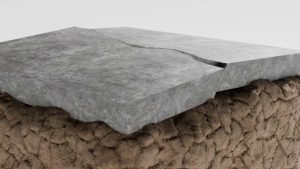
Concrete does not fail on its own; it fails because the ground beneath it moves. Dallas sits on Blackland Prairie clay that has been displacing slab sections vertically and laterally for decades on properties across the city, and the demo phase is exactly where that history shows up. The clay’s long-term movement does not just crack concrete, it creates the broken, uneven geometry our crews encounter on nearly every older Dallas property.
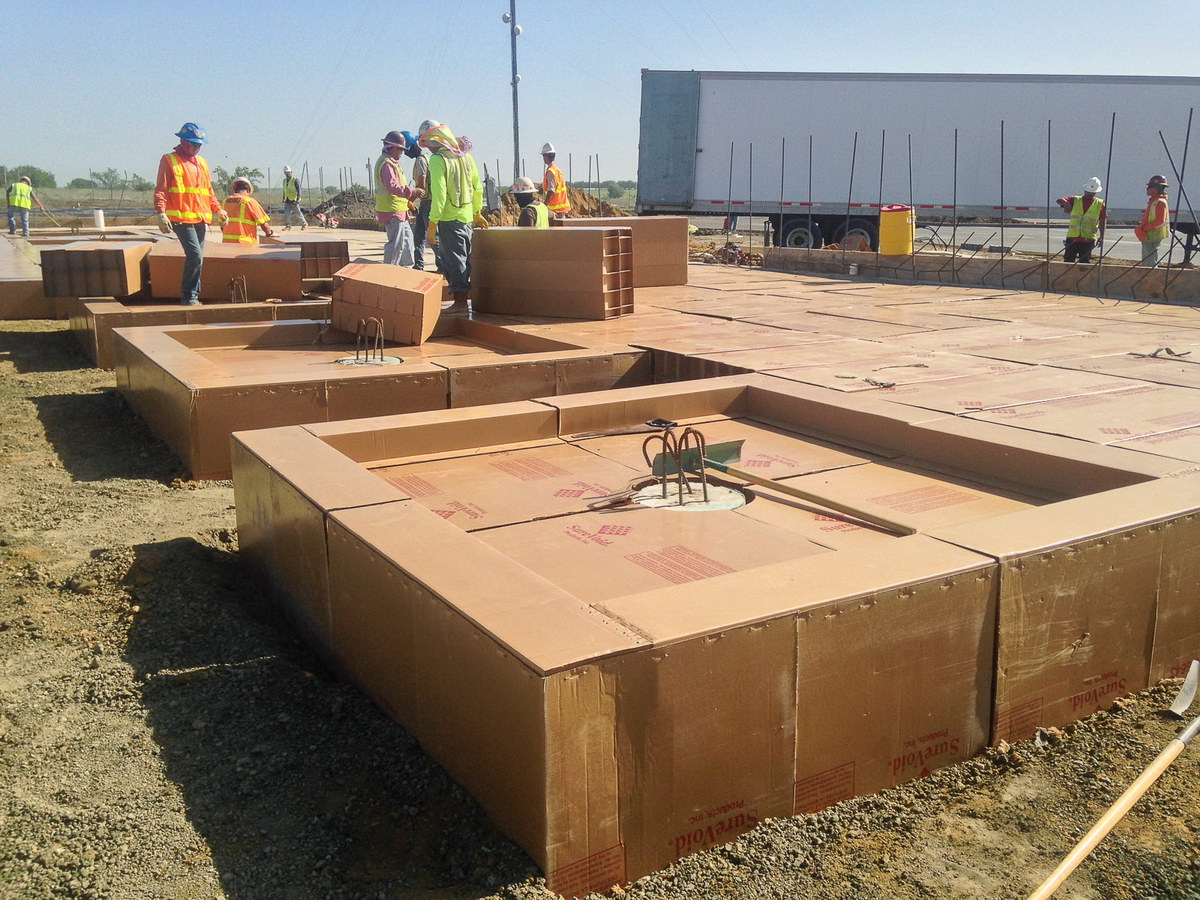
Working Around Broken Geometry, Not a Flat Surface
After the concrete is out, the clay condition underneath tells us exactly what the grading phase needs to address. A heaved, folded slab takes more breaking passes and a different removal approach than flat cracked concrete, and reading that breaking pattern tells us what the subgrade did over the decades. That is why a crew that understands the soil does more precise work during demo: the precision in the demo phase directly shapes how cleanly the grading and compaction phases go, and ultimately how long your new slab holds.
Tight Urban Infill vs. Wide-Open Commercial Parcels
Urban Concrete & Construction operates across all of Dallas, from dense infill neighborhoods inside the loop to open-lot commercial sites well beyond it. Those two environments demand different plans. Inside Loop 12, the work is about protecting what is already there: foundations, fences, and irrigation only feet from the slab. On open parcels east and south of the city, the priority shifts to moving volume efficiently with full-size equipment.
Assessing the Lot Before We Schedule Equipment
The single most important step happens before any machine is booked: we assess the lot in person. The machine size that breezes through one Dallas neighborhood creates real access problems three miles away, and guessing wrong means a wasted mobilization, a blocked driveway, or a damaged fence line. By matching equipment to access up front, we prevent delays and avoid damage claims. Equipment routing and crew scheduling are based on your specific job-site location, so the right machine and the right crew arrive ready to work the first time.
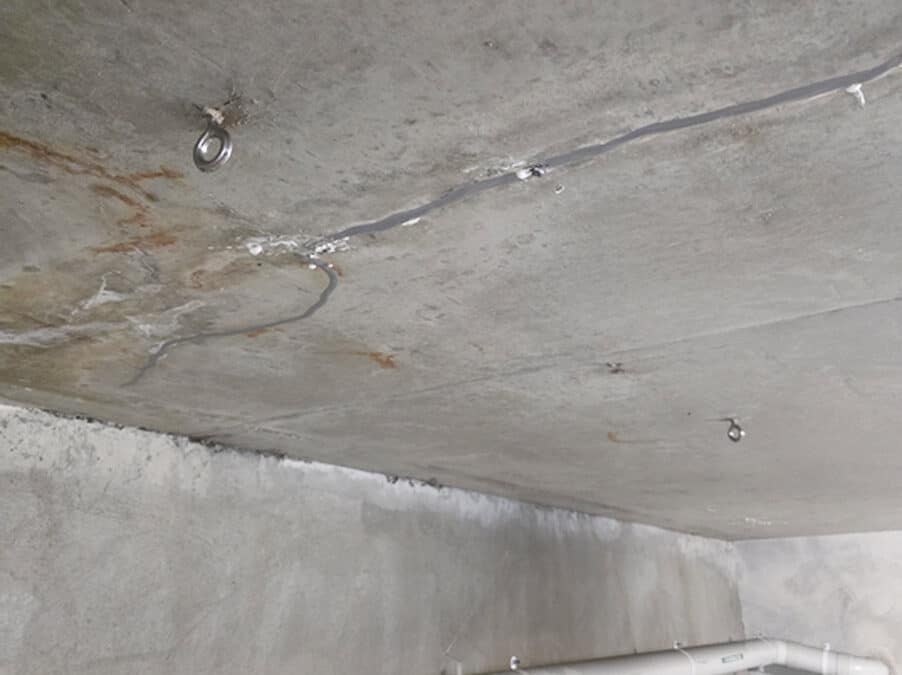
When a property owner has lived through one failed driveway or backyard slab, the instinct is to focus on the new concrete and treat the ground as an afterthought. But the most common reason concrete fails early in Dallas’s clay soil is skipped or assumed compaction, pouring over ground that was never actually verified. We do not pour over ground that has not been confirmed, and if compaction does not meet spec, we condition the material and recheck before a single form is set.
Confirmed Compaction, Not Assumed Compaction
Demo, Grading, and Pour Delivered Under One Project
Most homeowners and facility managers do not realize how much risk lives in the gap between contractors. When you hire a demolition company and a concrete company separately, you become the project manager responsible for the handoff, managing two timelines, two scopes, and the dead time while one crew clears before the other can even quote.
One Schedule, One Point of Contact
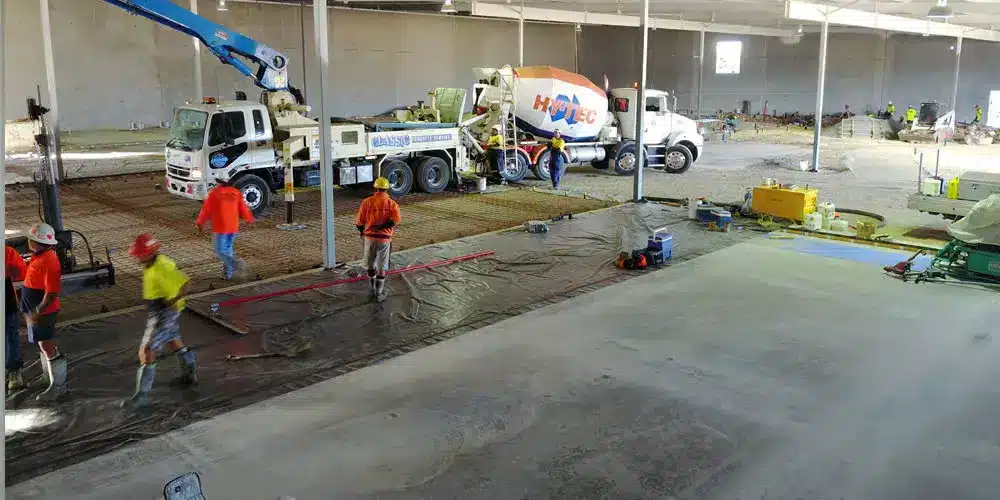
We close that gap entirely. Demo, grading, and the concrete pour are coordinated on a single schedule, and the moment subbase compaction is confirmed, our concrete crew mobilizes without a scheduling gap. You get one call, one scope, and one point of contact from the first swing of the breaker to the finished pour, which means no finger-pointing between trades and no surprise delays waiting on a contractor who is not yours.
What Demolition and Haul-Off Actually Cost in Dallas
Concrete demolition and haul-off typically runs $2 to $6 per square foot in the Dallas area, and the spread comes down to a few real variables: slab thickness, site access, and disposal volume. Heaved or heavily fractured slabs from clay-soil movement require more breaking passes, which adds labor time, and haul-off fees reflect disposal-facility rates, so they are scoped separately from demo labor rather than buried in a vague lump sum. On qualifying projects, crushing demolished concrete into reusable base material reduces haul-off volume and can lower your disposal costs. We confirm scope and pricing after seeing the site, not estimated blind, so you know exactly what you are paying for.
Schedule Your Dallas Demo and Site-Prep Project
Old concrete out, ground graded, site ready, that is the outcome, and starting is simple. Call Urban Concrete & Construction at (214) 225-2062 or email info@concreteconstructiontx.com, and tell us what is on the site now, what you are building next, and where the property is located. We will come back with a clear scope, a realistic timeline, and a straightforward conversation about what the ground actually needs before your pour begins, no vague schedules, just a precise plan from demo to finished slab.
Frequently Asked Questions About Demolition & Excavation in Dallas
How much does concrete demolition and haul-off cost in Dallas?
Concrete demolition and haul-off typically runs $2 to $6 per square foot in the Dallas area. Pricing depends on slab thickness, site access, and disposal volume. Heaved or heavily fractured slabs from clay soil movement require more breaking passes, which affects labor time. Haul-off fees reflect disposal facility rates and are scoped separately from demo labor.
Do you handle the demolition and the new pour as one project, or do I hire separately?
Urban Concrete & Construction handles both phases under one contract. Demo, grading, and the concrete pour are coordinated on a single schedule. You will not be left managing two contractor timelines or waiting for one crew to clear before another can quote. One call, one scope, one point of contact from start to finish.
How long does demolition and site prep take before the pour can start?
Most residential demolition jobs finish in one day. Grading and subbase compaction follow immediately after. If the subgrade needs moisture conditioning or imported base material, add one to two days before forms go in. We confirm the ground’s condition on-site and give you a realistic pour date, not a hopeful estimate.
Will you call 811 before digging, or is that my responsibility?
We notify 811 before any excavation begins, that is our standard practice, not an optional step. Utility marking protects your gas, water, and electrical lines during demo and excavation. Homeowners do not need to initiate this separately. We handle the notification and confirm markings are complete before equipment touches the ground.
What happens to the old concrete after it's broken up?
All demolished concrete is loaded and transported to a licensed disposal or recycling facility. On qualifying projects, crushed concrete gets reused as compactable base material, which reduces haul-off volume and can lower disposal costs. Nothing gets buried on-site or left behind. Haul-off is included in your project scope, not billed as a surprise line item.
How do I know the site is actually ready before the pour starts, not just assumed to be?
Subbase compaction is confirmed before any formwork is set. We do not pour over ground that has not been verified. If compaction does not meet spec, we condition the material and recheck. That step is where long-term slab stability is built, skipping it is the most common reason concrete fails early in Dallas’s clay soil conditions.
Do you handle cut and fill on larger sites, or do I need to import soil?
On larger Dallas sites we use cut and fill, a grading method where soil removed from high areas is moved to low areas, which reduces the need to import outside material. We assess the lot’s existing grade first and only bring in flexible base or fill where the project genuinely needs it, so you are not paying to truck in material the site can balance on its own.