
Urban Concrete & Construction
Replace Your Shattered Dallas Driveway Approach Without Getting Trapped By City Permitting Delays.
We navigate the complex municipal bureaucracy for you, executing fast-tracked tear-outs and pouring engineered 6-inch concrete slabs before city fines take effect.
Expedited Right-of-Way Concrete Approach Replacement in Dallas
When a fractured driveway approach blocks your property, waiting months for municipal approval is not an option. We execute expedited right-of-way concrete replacements in Dallas, managing the entire city permitting process from start to finish. We demolish the hazardous flatwork, resolve the root upheaval, and pour a heavy-duty, code-compliant approach to restore your access immediately.
A driveway approach to the section of concrete connecting the city street to your private property line is a highly regulated piece of infrastructure. When it fails, you cannot simply back up a cement truck and start pouring. The City of Dallas requires strict Right-of-Way (ROW) permits, traffic control plans, and municipal inspections to ensure the new concrete meets civic engineering standards. We completely remove this bureaucratic burden from your shoulders. We handle the paperwork, schedule the inspectors, and execute the heavy demolition required to clear the hazard. By fast-tracking the compliance phase, we prevent your property from being red-tagged and get the actual construction moving days or weeks faster than a standard residential contractor. You secure a structurally sound, legal entryway without being dragged into a maze of municipal red tape.

Freeing a Trapped SUV from a Shattered Lakewood Driveway
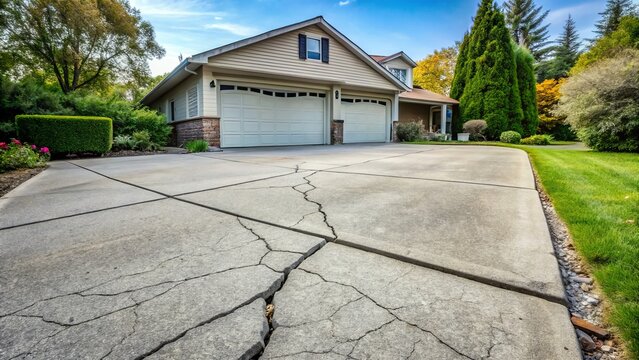
Early last spring, we received a frustrated call from a homeowner in the Lakewood neighborhood. A massive, sixty-year-old oak tree sitting in their parkway had heaved their driveway approach up by nearly eight inches. The resulting jagged concrete peak was so severe that the homeowner’s heavy SUV literally bottomed out, scraping the transmission oil pan every time they tried to pull into their own garage. They were effectively trapped on their own property, parking on the busy street while waiting for other contractors who refused to take on a city right-of-way job.
Cutting Through Bureaucratic Red Tape
We immediately initiated our municipal fast-track protocol. Our team submitted the required traffic control plans and ROW permit applications to the Dallas Public Works department that same morning. Because we maintain an active contractor registration and know exactly what the city engineers require on the drawings, our permits were cleared rapidly. We arrived with our skid steers, hammered out the shattered flatwork, carefully pruned the offending tree root back to the right-of-way line, and poured a reinforced approach. The homeowner went from damaging their vehicle daily to gliding smoothly into their garage by the end of the week.
Why Illegal Concrete Pours Result in Jackhammered Driveways
The absolute worst mistake you can make when replacing an approach is hiring a contractor who promises to do the job without pulling a Right-of-Way permit. We constantly see “Chuck-in-a-Truck” operators tell homeowners that permits are just a scam to get more money, and they offer to pour the concrete on weekends when city inspectors aren’t working. This is a catastrophic financial gamble. The City of Dallas aggressively patrols for unpermitted flatwork in the public right-of-way. If an inspector catches a crew pouring an approach without a permit or discovers that the finished slab lacks the required inspections, they will issue an immediate stop-work order. Worse, they have the legal authority to force you to hire a different contractor to completely jackhammer and remove the brand-new concrete. You will end up paying for the demolition, the municipal fines, and pouring the exact same driveway approach a second time. We refuse to put your property at risk; we do it completely above board, legally, and permanently.


Engineering Heavy-Duty 6-Inch Slabs for Modern Vehicles
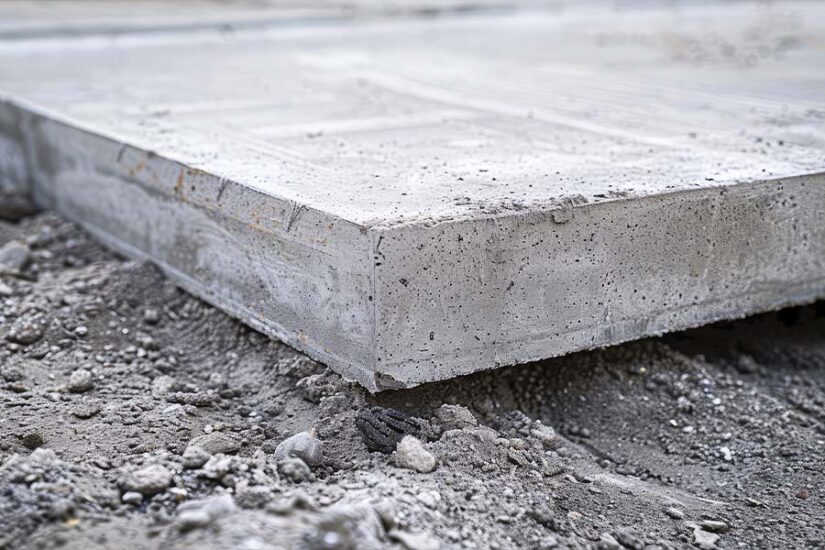
The driveway approach takes more physical abuse than any other piece of concrete on your property. It is the exact point where the heavy, rolling weight of a vehicle transitions from the asphalt street up an incline onto your property. Standard residential flatwork is typically poured four inches thick, which is entirely inadequate for this transition zone. A four-inch slab will instantly shear under the weight of a modern, 6,000-pound electric truck hitting the curb line. We strictly mandate a minimum slab thickness of 6 inches for all approach replacements. To guarantee absolute tensile strength, we tie a continuous grid of #3 steel rebar spaced precisely at 18-inch centers.
Exceeding Minimum Subgrade Preparation Standards
Steel and concrete mean nothing if the dirt underneath is compromised. Once we complete the demolition, we never pour directly over the native clay. We excavate down and install a thick, compacted layer of crushed rock. This aggregate base locks together under our vibratory plate compactors, creating an unyielding subgrade preparation that properly distributes the weight of your vehicles and prevents the new slab from sinking into the mud after a heavy Dallas rainstorm.
Expediting Replacements Even in Strict Conservation Districts
Many homeowners living in Dallas’s historic neighborhoods assume that fixing their driveway approach will trigger a six-month battle with their local preservation board. If you live in a strict conservation district like Swiss Avenue, Hollywood/Santa Monica, or the Junius Heights area, you are subject to rigorous aesthetic guidelines that dictate the exact look, texture, and color of your exterior flatwork. You might be terrified that replacing a dangerous, root-heaved approach will get indefinitely stalled in committee hearings. We know exactly how to navigate these localized restrictions. We handle the specialized paperwork required to demonstrate that our replacement will match the neighborhood’s historical context. Whether the district mandates a specific exposed aggregate finish, a broom-swept texture, or a custom color match to mimic aged concrete, we procure the exact materials required to satisfy the preservation officers. We protect your property’s historic charm while completely modernizing its structural load-bearing capacity.
Our 3-Step Right-of-Way Replacement Protocol
Tearing out concrete connected to a city street is a major logistical operation. We have refined our replacement protocol into a highly efficient, three-step process to minimize the disruption to your daily life.

Step One is the Code-Compliant Assessment and Permitting.
We measure the required curb radius, calculate the exact slope, and push the traffic control plans through the Dallas municipal system.

Step Two is Heavy Demolition and Root Pruning.
We deploy our skid steers with hydraulic breakers to shatter the old concrete, extract the debris, and surgically cut back the aggressive tree roots that caused the initial upheaval.

Step Three: Synchronizing Demolition with Municipal Inspections
Rebar Grid Installation and Concrete Pouring. This is where our logistical expertise shines. The city requires a “pre-pour” inspection of the rebar and subgrade before the concrete trucks can roll. We tightly synchronize our demolition schedule with the city inspector’s route. We get the forms set, the rock compacted, and the steel tied exactly when the inspector arrives, allowing us to pour the fresh concrete immediately after receiving the green tag. We do not leave your driveway looking like a warzone for three weeks waiting on a signature.
The Violent Physical Impact of a Fractured Approach

Living with a destroyed driveway approach is a daily, visceral nightmare. You know exactly what it sounds like: the horrific, metallic scrape of your vehicle’s undercarriage dragging hard against jagged, heaved concrete. It is the sudden, sickening crunch of your front plastic bumper cracking because the transition from the street to the driveway is completely misaligned. Every single time you leave for work or return home, you brace yourself for the violent physical jolt of your tires slamming into a four-inch vertical lip.
Escaping the Daily Driving Hazard
You find yourself steering onto the grass or cutting the wheel at an extreme, dangerous angle into oncoming traffic just to avoid the worst of the root upheaval. You shouldn’t have to navigate an off-road obstacle course just to park in your own garage. Our engineered replacements completely eliminate that jarring impact. We recalculate the slope and pour a perfectly smooth, mathematically precise transition from the city gutter to your property line. We silence the scraping metal and restore the luxury of pulling into your driveway without a second thought.
Upgrading 1950s Single-Car Approaches to Modern Dimensions
The housing stock in Dallas dictates the complexity of the replacement approach. If we are working on a 1950s pier-and-beam home in East Dallas, we are usually dealing with an incredibly narrow, single-car driveway approach that was originally designed for much smaller vehicles. When homeowners try to navigate modern SUVs through these tight curb cuts, they end up driving over the grass and creating deep, muddy ruts in the parkway. For these older homes, our replacement process often involves permitting a wider curb cut and expanding the flared edges of the approach to allow for a comfortable, modern turning radius. Conversely, when we respond to a fractured approach in a newer North Dallas subdivision, we are frequently dealing with massive, three-car-wide concrete aprons. These massive slabs require strategic control joints and expansion material placed precisely where the approach meets the street gutter to prevent the thermal expansion of the Texas summer from buckling the concrete against the rigid city pavement.
Preventing Catastrophic Damage to Buried Municipal Utilities
The number one fear we hear from property owners during a driveway tear-out is the risk of hitting a buried utility line. Because the approach sits in the public right-of-way, the dirt directly underneath that concrete is packed with critical infrastructure. A careless contractor with an excavator bucket can easily snap a Dallas Water Utilities main, sever a high-pressure gas line, or cut a major fiber optic cable, resulting in massive neighborhood outages, dangerous gas leaks, and tens of thousands of dollars in emergency repair bills billed directly to you. We take this invisible threat incredibly seriously. Before our heavy equipment ever unloads from the trailer, we mandate a comprehensive utility locate through Texas811. We cross-reference the marked lines with the physical layout of your subgrade. When we perform the demolition, our operators use precise, controlled hydraulic breaking techniques rather than blind digging. We shatter the concrete from the top down and carefully lift the debris away from the soil, ensuring that the water, gas, and data lines buried just inches below the slab remain completely untouched and secure.
Strict Adherence to Chapter 43-94 Dallas City Code
Municipal concrete work requires exact, verifiable adherence to city engineering standards. The City of Dallas does not allow contractors to guess the slope or shape of a driveway that ties into their streets. We execute every replacement in absolute compliance with Chapter 43-94 (Residential Driveway Approaches) of the Dallas City Code. This specific ordinance mandates the exact geometric layout of the concrete, tying into the curb. For instance, the city recently updated its requirements to heavily favor the “dustpan” style curb radius for residential approaches over outdated alternative cuts.
We ensure that the flaired edges of your new concrete, the exact placement of the expansion joints against the back of the city curb, and the parabolic slope of the concrete perfectly match the Department of Public Works paving design manual. By executing the pour to these exact civic specifications, we guarantee that your new approach will effectively channel storm runoff into the street gutter rather than forcing water back into your yard.


Heavy Demolition Without Trashing the Public Street
Tearing out tons of steel-reinforced concrete generates immense amounts of dust, rubble, and jagged debris. Because this work happens right on the curb line, the risk of polluting the public roadway and clogging the municipal storm drains is extremely high. Dallas Code Compliance will issue severe fines if they find construction slurry or crushed rock washing down the street. We deploy a rigorous cleanliness and logistics protocol to manage the chaos of heavy demolition. We install heavy-duty silt fencing and wattles directly in the street gutters to catch runoff and sediment before they enter the city’s drainage system. Instead of stacking broken concrete in the street for days, we position heavy dump trailers parallel to the curb, loading the debris directly from the excavator bucket into the haulers. Once the final concrete is poured and cured, we deploy industrial street sweepers to remove any lingering dust from the asphalt. We leave your new driveway pristine and the public street completely clear.

Transparent Quotes for Regulated Municipal Flatwork
Replacing a city driveway approach is fundamentally different from pouring a backyard patio, and the pricing structure reflects that civic reality. You cannot rely on a contractor who gives you a quick, scribbled estimate on the back of a business card. Regulated municipal flatwork requires thicker concrete, heavier steel, and mandatory bureaucratic fees that must be accounted for upfront. We provide our clients with highly transparent, itemized quotes that clearly delineate the costs of the actual construction versus the costs of municipal compliance.
No Hidden Fees for Traffic Control Permits
When we price your approach replacement, we include the exact cost of the required Dallas Right-of-Way permits, the city inspection fees, and the mandatory traffic control barricades needed to safely block the street lane during the pour. We do not hit you with surprise invoices for “permit expediting” or “barricade rentals” halfway through the job. You will know the exact cost of the entire legal operation before we ever dispatch a machine, giving you absolute financial clarity.

Your Trusted Dallas Authority for Right-of-Way Flatwork
A destroyed driveway approach actively damages your vehicles, creates massive legal liability, and locks you in a stressful standoff with city code enforcement. You cannot trust this critical piece of civic infrastructure to an unlicensed handyman or a contractor who is terrified of the Dallas permitting office. Urban Concrete & Construction is the premier technical authority for expedited Right-of-Way flatwork in the metroplex. We combine an aggressive mastery of municipal bureaucracy with heavy-duty engineering, using 6-inch slabs, precise rebar spacing, and deep subgrade preparation to permanently prevent root upheaval and soil shifting. We handle the traffic plans, we protect the buried utilities, and we pour concrete that easily outlasts the harsh Texas environment. Stop destroying your car’s suspension on shattered concrete. Take immediate action to restore safe, legal access to your home. Contact our Dallas dispatch team right now to initiate the permitting process and let us replace your hazardous approach today.
Frequently Asked Questions About Dallas Driveway Approach Replacements
How much do City of Dallas Right-of-Way permits and traffic control barricades cost?
The average cost for Dallas Right-of-Way permitting and traffic control barricades ranges from $300 to $600. This municipal fee covers the mandatory Department of Public Works inspections and the rental of MUTCD-compliant street barricades required during demolition. Urban Concrete & Construction incorporates these exact civic fees into your upfront flat-rate quote, ensuring you never receive surprise bills for permit expediting.
Does Texas homeowners' insurance cover concrete driveway replacement caused by tree root damage?
No, standard Texas homeowners’ insurance policies do not cover driveway approach replacements necessitated by tree root upheaval or soil shifting. Insurance adjusters classify the slow, aggressive growth of Dallas live oaks and the expansion of Blackland Prairie clay as preventable maintenance issues rather than sudden, accidental perils. Because the homeowner assumes the financial liability for the municipal right-of-way, Urban Concrete & Construction engineers these 6-inch slabs with heavy-duty #3 rebar to permanently resist future root pressure.
Do you provide a warranty against future root upheaval if the Dallas oak tree remains standing?
No contractor can legally or honestly provide a lifetime warranty against the hydraulic lifting force of a growing, mature tree root. While our engineered 6-inch slabs and #3 rebar grids offer maximum resistance, a healthy Dallas oak tree can exert thousands of pounds of pressure as it expands over decades. Urban Concrete & Construction mitigates this long-term risk through strategic root pruning and specialized subgrade compaction, maximizing the lifespan of your municipal right-of-way investment without requiring the tree’s total removal.
How many days must a 6-inch concrete driveway approach cure before I can park a heavy SUV on it?
It takes exactly seven days of undisturbed curing time before a 6-inch concrete approach can safely support a 6,000-pound vehicle. While the flatwork will support foot traffic within 24 to 48 hours, the concrete matrix requires a full week to achieve the critical 4,000 PSI compressive strength necessary to withstand vehicular shear forces at the curb line. Urban Concrete & Construction applies a specialized liquid curing compound to combat Dallas summer heat, slowing moisture evaporation to prevent surface micro-cracking.
Will the street barricades for my driveway approach replacement block my neighbors' access?
No, our municipal traffic control plans are engineered to safely close only the immediate curb lane without blocking adjacent property access. The Dallas Department of Transportation requires highly specific barricade layouts to maintain neighborhood traffic flow during heavy demolition and concrete pouring. Urban Concrete & Construction deploys certified flaggers and correctly spaced traffic cones to isolate our skid steers and cement trucks, ensuring your neighbors can freely navigate the street while we replace your fractured approach.
How long does the architectural review process delay driveway replacement in Dallas conservation districts?
Aesthetic review by a Dallas historic conservation district typically adds 14 to 30 days to the standard municipal permitting timeline. Neighborhoods like Swiss Avenue and Junius Heights require a Certificate of Appropriateness before any heavy demolition can begin on the public right-of-way. Urban Concrete & Construction expedites this bureaucratic delay by submitting pre-approved concrete mix designs and stamped finish samples that strictly match the district’s aesthetic guidelines for exposed aggregate or broom-swept flatwork.
Do I need a Dallas city arborist to approve cutting tree roots under my driveway approach?
Yes, severing massive surface roots of mature parkway trees often requires review by a City of Dallas arborist to ensure the canopy survives. Aggressively chopping critical structural roots can destabilize a mature live oak, creating a severe fall hazard during severe North Texas windstorms. Urban Concrete & Construction carefully coordinates root pruning with licensed arborists during the subgrade preparation phase, ensuring we eliminate concrete upheaval without violating municipal tree-protection ordinances.
Does replacing a driveway approach include fixing a crushed corrugated drainage culvert?
Yes, if your approach crosses an open drainage ditch, we must replace the crushed corrugated pipe to satisfy Dallas Public Works standards. A collapsed culvert pipe traps stormwater, leading to severe subgrade erosion and the eventual fracturing of the concrete slab above it. Urban Concrete & Construction removes the rusted metal tubes and installs heavy-wall reinforced concrete pipe (RCP) before pouring the new 6-inch flatwork, ensuring your property maintains proper positive drainage into the municipal system.