
Emergency Foundation Stabilization: Halting Structural Collapse in Dallas
Urban Concrete & Construction is a licensed and insured concrete contractor headquartered at 6565 McCallum Blvd, Unit 156, Dallas, Texas. We specialize in heavy-duty commercial paving, emergency structural foundation repair, and custom residential flatwork across the Dallas-Fort Worth Metroplex.
Our engineering protocols are specifically designed to mitigate the extreme shrink-swell cycles of local Vertisol clay, utilizing #3 deformed steel rebar, high-early-strength concrete mixes, and advanced geotechnical soil stabilization to ensure permanent structural load transfer.
Emergency Foundation Stabilization: Halting Structural Collapse in Dallas
When your foundation fails, waiting weeks for an inspection is not an option. We provide emergency foundation repair across Dallas, deploying structural assessment teams within four hours. We utilize engineered underpinning and void forms to halt immediate settlement and prevent catastrophic structural collapse caused by shifting Texas clay.
After you notice a sudden drop in your floor or a massive crack in your brick veneer, the structural integrity of your property enters a critical countdown. We mobilize our heavy-duty trucks equipped with digital laser levels, steel piers, and high-density polyurethane. When a slab fractures due to expansive soil, the kinetic energy transferred to the wooden framing can snap load-bearing studs and warp the roofline. Immediate intervention is the only way to lock the structure in place. Our teams are highly trained to assess the immediate danger, deploy temporary shoring if the roofline is compromised, and implement a permanent underpinning solution without delay. In Dallas, where the soil shifts violently depending on the weather and moisture levels, an hour can make the difference between a minor stabilization and a major reconstruction project. Your property is your largest asset; leaving it vulnerable to the active geology of North Texas is a massive financial risk. We operate with the speed and precision necessary to secure your investment immediately, bypassing the long waitlists of traditional contractors.
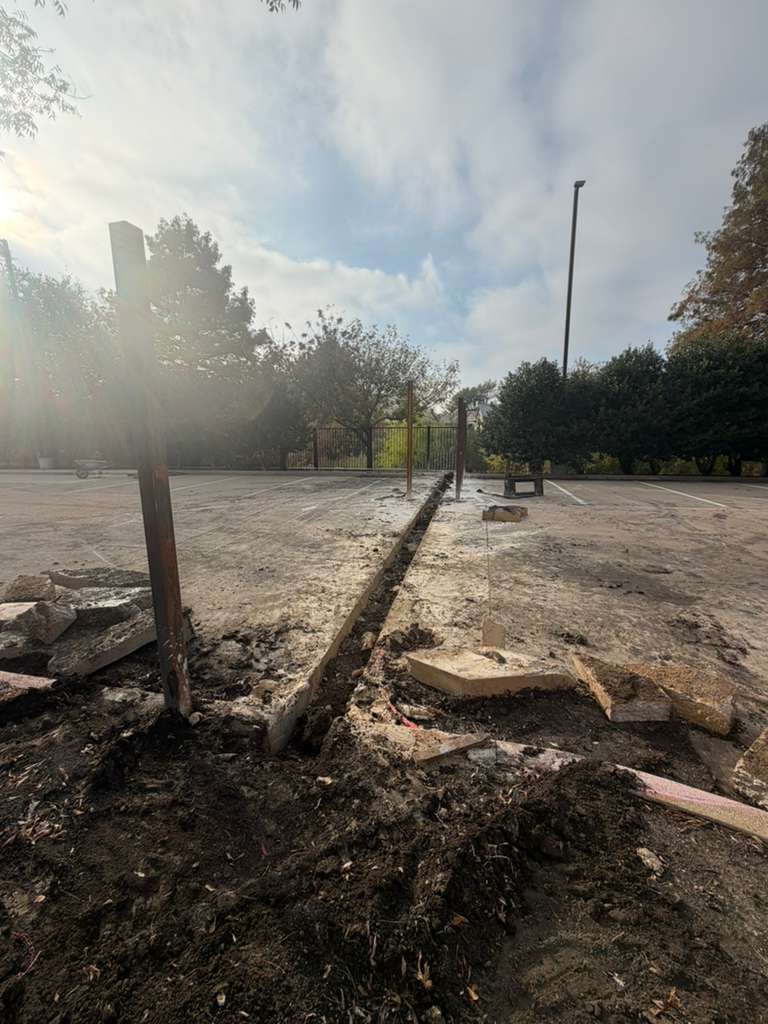
How We Saved an Oak Cliff Home from Total Structural Collapse
Just last month, we received a panic call from a homeowner over in Oak Cliff. The property was a beautiful, older brick build, but the heavy spring rains had saturated the ground around the perimeter. The homeowner woke up to a loud popping noise and found a jagged, half-inch crack running straight up the exterior brick veneer. By the time our crew arrived three hours later, the situation was critical. Hydrostatic pressure had built up against the downslope side of the house, pushing the wet clay hard against the foundational perimeter. The grade beams were taking the brunt of the load, and the brick veneer was quite literally starting to detach from the framing. If we had waited another day, that entire wall would have collapsed into the yard.
Relieving the Hydrostatic Pressure
My team immediately set up temporary structural shoring to carry the dead load of the roof and wall. Then, we excavated down to the footing and installed strategic void forms. These specialized corrugated paper products create a buffer zone, allowing the expansive clay to heave upward without transferring that devastating pressure into the concrete. Once the pressure was relieved, we stabilized the affected grade beams using our engineered steel brackets. The homeowner went from facing a total wall collapse and tens of thousands of dollars in framing damage to having a fully secured, stabilized home by dinner time. That is why emergency response isn’t just a buzzword for us; it saves houses. We don’t just patch the visible cracks; we address the underlying physics of the soil failure to ensure the problem never happens again.
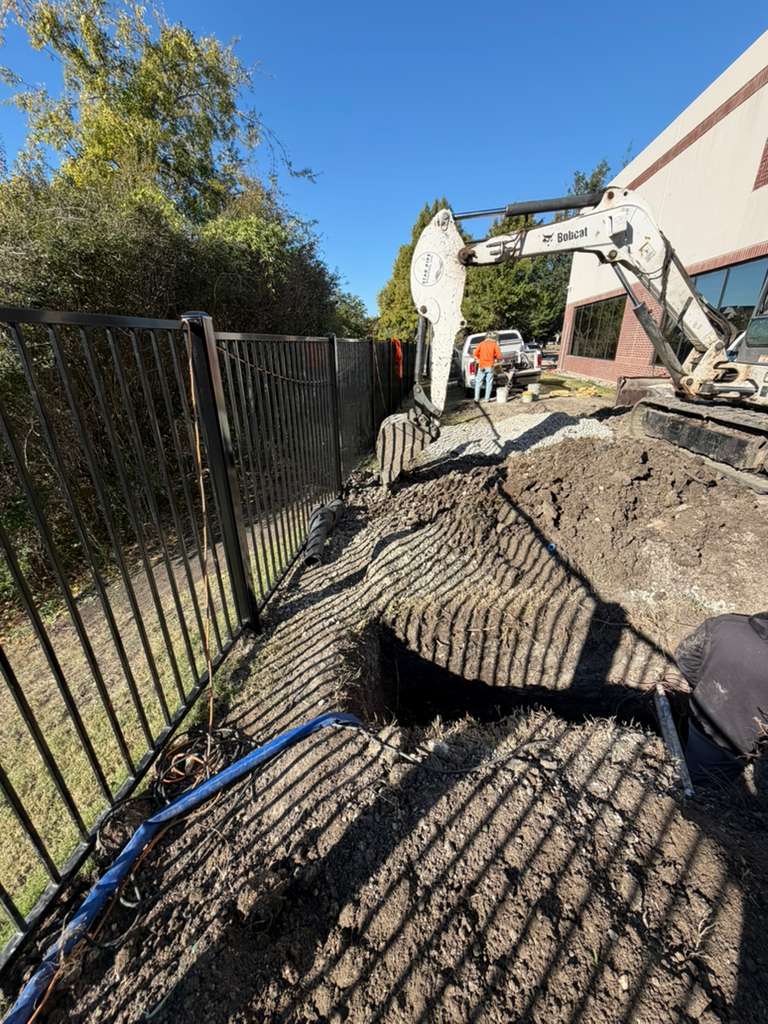

Utilizing Commercial-Grade Polyurethane and Steel Pier Technology
In the structural repair trade, the materials dictate the lifespan of the fix. We do not use cheap builder-grade concrete patches or generic grout mixtures to fill voids. When a heavy concrete slab is failing, pouring more heavy concrete on top of it only accelerates the sinking process.
High-Density Foam and Heavy-Duty Steel
Instead, we utilize AP Lift 430, a structural, high-density polyurethane injection foam. This specific hydro-insensitive polymer expands forcefully beneath the slab, filling voids and compacting the loose subgrade without adding significant weight to the soil profile. It cures to 90% strength in just fifteen minutes, providing immediate load-bearing capacity to stop the settlement dead in its tracks. For structural underpinning, we refuse to rely on shallow concrete cylinders that just shift with the topsoil. We install heavy-duty, double-walled steel push piers driven by hydraulic rams directly to absolute load-bearing strata or bedrock. These aren’t off-the-shelf pipes; we use 2.875-inch outer diameter structural steel tubing with a 0.165-inch wall thickness, rated for extreme compressive loads. We bracket these steel piers directly to your existing grade beams using heavy-duty steel brackets, permanently transferring the weight of your home off the volatile clay and onto stable earth. We specify these exact materials because they are engineered to permanently defeat Dallas soil, period. Anything less is just a temporary bandage that will fail during the next heavy rainstorm.
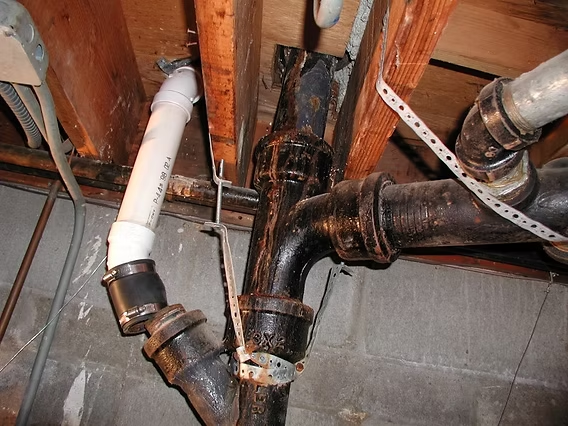
Safe Foundation Lifting Even With Aging Cast Iron Plumbing
One of the biggest hesitations property owners have when calling for emergency stabilization is the fear of collateral damage. You know the house is sinking, but you are terrified that the lifting process will cause more destruction than the settling itself. This is a valid concern, especially in older Dallas neighborhoods where the underground infrastructure is fragile.
Addressing the Fear of Plumbing Fractures
The most common fear we hear from customers is that lifting or stabilizing their foundation will snap their aging cast iron plumbing, leading to a massive sewage leak under the slab. We understand this risk completely. That is why our process is safe even if you have sixty-year-old cast iron drain lines. Before we ever attach a hydraulic ram or inject a single ounce of polyurethane, we execute a comprehensive pre-lift camera inspection of your sub-slab plumbing. We run high-definition fiber-optic cameras down your cleanouts to map the exact location and condition of every pipe. Our engineers calculate the precise tolerance of your plumbing system. We use synchronized, manifold-controlled hydraulic lifting systems that raise the slab in millimeter increments. By monitoring the lift with laser levels calibrated to 1/1000th of an inch, we ensure the slab moves as a single, uniform monolith. This eliminates the bending and torquing forces that typically fracture brittle cast iron. We secure your home’s footprint without turning your plumbing into a disaster zone. We protect your pipes just as fiercely as we protect your walls.
Our 3-Step Emergency Foundation Repair Process
When your home’s structural integrity is on the line, confusion and delays are your worst enemies. We have engineered our response protocol to eliminate the guesswork and stop the damage immediately. Here is our exact three-step emergency journey to secure your property.
From Assessment to Permanent Stabilization:

When you call our emergency line, we don’t schedule you for “sometime next week.” A structural technician arrives at your property within four hours. We use digital zip-levels to map the elevation footprint of your entire slab, identifying the exact epicenter of the failure and measuring the variance down to the millimeter.
If the house is actively settling and at risk of framing or veneer collapse, we do not wait for permits before starting to protect the home. We instantly deploy temporary structural shoring and cribbing to support the structure’s dead load. This halts the kinetic movement, securing the roofline and walls so you can safely remain in the home.
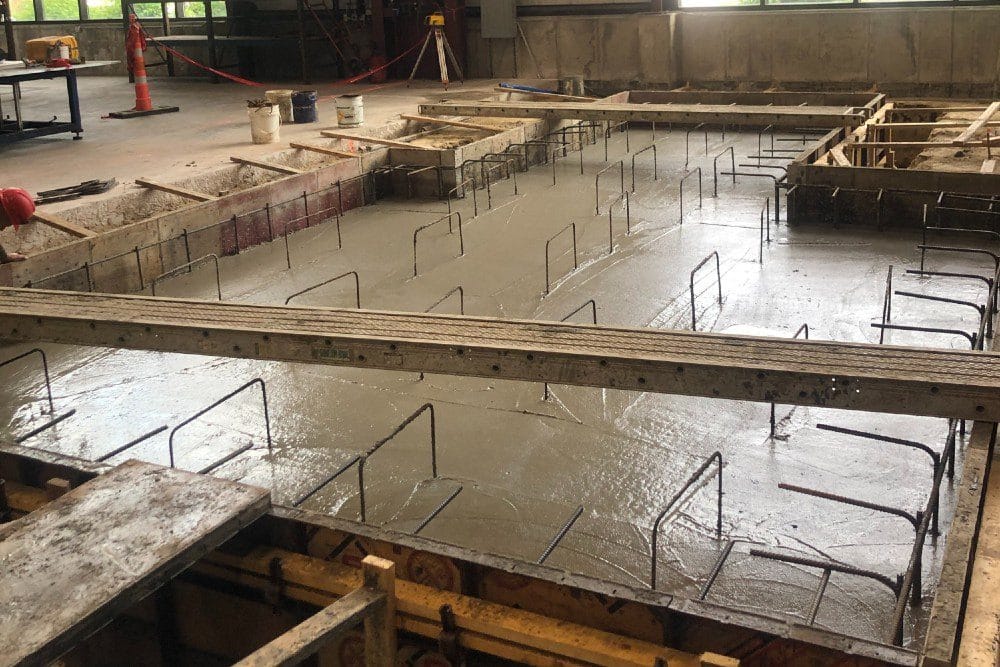
Within 48 hours of stabilization, we pull the necessary municipal permits and install our heavy-duty steel piers or inject high-density polyurethane foam. We drive the piers to bedrock, transfer the weight of the house permanently, and backfill the excavation. From the panicked phone call to a fully secured, permanently repaired foundation, our timeline is measured in days, not months. We take control of the chaos so you don’t have to worry.
Specialized Repairs for Historic Pier-and-Beam vs. Modern Post-Tension Slabs
Dallas is not a cookie-cutter city, and the homes here were built using wildly different engineering standards depending on the decade. You cannot apply a one-size-fits-all fix to local foundations. If we are dispatched to a 1960s pier-and-beam home in East Dallas, the protocol is highly specialized. These older homes often suffer from rotted cedar posts, failing perimeter grade beams, and excessive crawlspace moisture that turns the supporting soil to mud. For these historic builds, our emergency response focuses on replacing compromised timber sill plates, pouring new concrete footings, and installing adjustable steel support columns to level the bouncy, sagging floors.

Handling High-Tension Cable Blowouts
Conversely, if we respond to a 1990s build in the northern suburbs like Richardson or Plano, we are almost certainly dealing with a post-tension slab. These modern slabs rely on high-tensile steel cables pulled to 33,000 pounds of pressure to give the concrete its rigidity. When the Vertisol clay drops suddenly under these homes, the extreme tension can cause the cables to snap, creating an explosive blowout that shatters the concrete. Repairing a post-tension blowout requires specialized destressing equipment, precise cable splicing, and specialized high-early-strength concrete patching. We carry the exact hardware and technical certifications required for every era of Dallas housing stock, ensuring your specific foundation gets the exact engineering it requires without any guesswork.
Avoiding Cheap Mudjacking Scams in North Texas

The foundation repair industry in North Texas is unfortunately plagued by operators who prey on desperate homeowners. When you have a massive crack in your wall, the “Chuck-in-a-Truck” contractor will show up promising a cheap, overnight miracle. Their go-to tactic is traditional mudjacking, pumping a heavy slurry of topsoil, water, and cheap cement under your sinking slab. It sounds great until the next heavy Dallas thunderstorm rolls through. That cheap slurry washes out instantly, or worse, the sheer weight of the added mud causes your slab to sink even faster into the saturated clay. You are left with a broken foundation and a yard full of concrete mess, and the contractor suddenly stops answering his phone. We refuse to use outdated, failure-prone methods.

Handling High-Tension Cable Blowouts
Conversely, if we respond to a 1990s build in the northern suburbs like Richardson or Plano, we are almost certainly dealing with a post-tension slab. These modern slabs rely on high-tensile steel cables pulled to 33,000 pounds of pressure to give the concrete its rigidity. When the Vertisol clay drops suddenly under these homes, the extreme tension can cause the cables to snap, creating an explosive blowout that shatters the concrete. Repairing a post-tension blowout requires specialized destressing equipment, precise cable splicing, and specialized high-early-strength concrete patching. We carry the exact hardware and technical certifications required for every era of Dallas housing stock, ensuring your specific foundation gets the exact engineering it requires without any guesswork.
Recognizing the Sounds and Signs of Structural Failure
We know exactly how terrifying it is when your house starts to fail around you. It never happens silently. It usually starts in the dead of night during a dry summer that sudden, sharp “pop” echoing through the hallway as the wooden framing torques and the drywall literally tears at the seams. Or perhaps it is the heart-stopping, violent “bang” of a high-tensile post-tension cable snapping under your living room floor, sounding like a shotgun going off inside the concrete.
The Physical Sensations of a Sinking Home
We talk to homeowners who live with the daily, unsettling vertigo of walking across a severely sloped kitchen floor, feeling as if they are walking downhill just to reach the refrigerator. You notice the subtle friction of your front door suddenly scraping hard against the jamb, requiring you to throw your shoulder into it just to turn the deadbolt. You see the jagged, widening gaps between your kitchen cabinets and the ceiling. These aren’t just cosmetic annoyances; they are the visceral, sensory alarms of a building that is actively losing its battle with gravity and expansive soil. You shouldn’t have to live with the anxiety of wondering if tonight is the night the brick veneer finally gives way. Our emergency intervention silences the popping drywall, levels the sloping floors, and restores the solid, immovable feeling of a safe home.

Full Compliance With Chapter 53 of the Dallas City Code
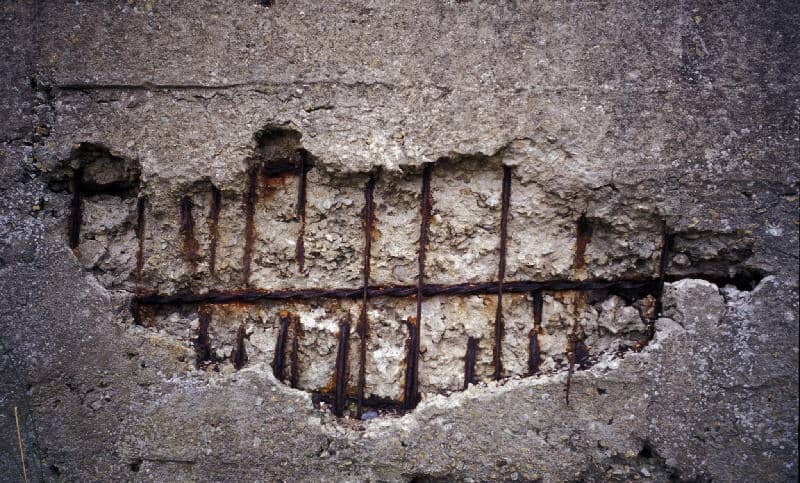
When dealing with emergency structural repairs within the Dallas city limits, navigating the bureaucracy is just as critical as the heavy lifting. You cannot simply start trenching under a house without strict adherence to municipal regulations. We execute all emergency underpinning and load-bearing modifications in absolute compliance with Chapter 53 of the Dallas City Code, which governs structural integrity and building standards. Our protocols guarantee that every steel pier driven and every cubic foot of concrete poured meets the strict load-bearing calculations required by Dallas building inspectors. We manage the emergency permitting process so you aren’t hit with stop-work orders or code violations during a crisis.
Navigating Strict HOA Rules in The Park Cities
Local knowledge dictates how fast we can operate. We know that responding to a foundation blowout in “The Park Cities” means navigating impossibly tight alleyways with our heavy equipment and dealing with extremely strict, affluent HOA guidelines regarding noise and site disruption. We know that working in historic districts requires specialized care to protect century-old landscaping and architectural heritage. Our crews are native to this metroplex. We don’t need a map to understand the logistical hurdles of your specific neighborhood, which means we spend our time fixing your slab, not figuring out where to park the excavator or arguing with your neighborhood association.
Protecting Your Landscaping During Heavy Equipment Operation
A foundation repair site is inherently a heavy construction zone, but that does not mean your property has to be treated like a landfill. Homeowners are rightfully terrified that bringing in hydraulic rams, excavators, and steel piers will absolutely destroy their meticulously manicured lawns and prized flowerbeds. We believe that respecting your property is just as important as stabilizing your home. Before any heavy equipment crosses your curb, we implement a strict cleanliness and logistics protocol.
Our Zero-Trace Site Restoration Policy
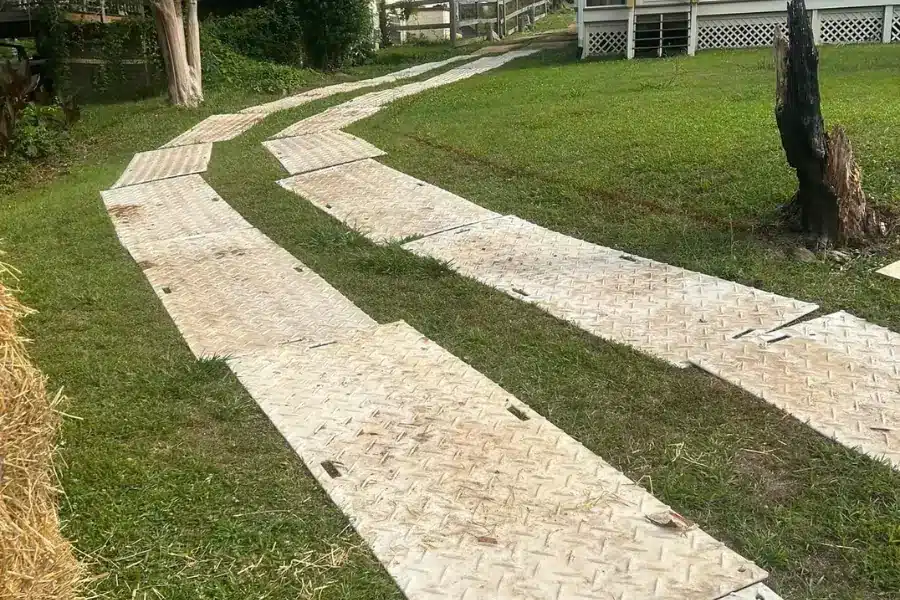
We lay down heavy-duty, interlocking composite ground mats across your lawn to distribute the weight of our machinery, completely preventing tire ruts and deep soil compaction. When we have to excavate down to your grade beams, we don’t just throw the dirt onto your grass. We carefully extract the soil onto heavy tarps or directly into staging containers. We wrap your exterior AC units and nearby hardscaping in protective plastic to shield them from dust and debris. At the end of every single workday, we sweep the site, organize our materials, and use magnetic rollers to capture any stray metal shavings or fasteners. When the underpinning is finished and the concrete is cured, we backfill the trenches, compact the soil, and restore your landscaping. We leave your property structurally sound and spotlessly clean, as if we were never there.
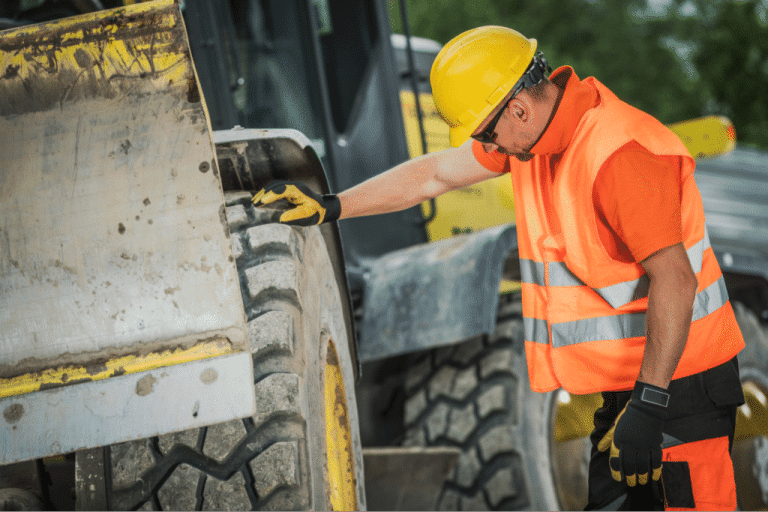
Immediate Structural Solutions for Panicked Property Owners
We built this emergency service specifically for the panicked property owner who just walked outside and noticed a massive, zigzag crack running like a lightning bolt through their exterior brick mortar. You are the homeowner who suddenly can’t close the master bedroom door, or the property manager who just received a frantic call from a tenant about a massive gap opening between the baseboards and the floor. You aren’t looking for a casual remodeling quote for next spring; you are looking for immediate, no-nonsense technical guidance right now.
Delivering Engineering Facts Over Sales Pitches
You need a contractor who understands the sheer panic of seeing your largest financial asset actively deteriorating. We know you are likely overwhelmed by conflicting information online, with some sources telling you to water your foundation, while others tell you it needs massive numbers of steel piers. You are our ideal client because we cut through the industry jargon and the high-pressure sales tactics. We provide objective, forensic engineering data. We will show you exactly what the zip-level elevation readings mean, exactly why the hydrostatic pressure compromised that specific corner of your slab, and exactly how our specific polyurethane foam and steel brackets will permanently arrest the movement. We replace your panic with absolute, mathematically proven certainty.

Transparent, Flat-Rate Pricing for Foundation Stabilization
The absolute last thing you need during a structural emergency is an open-ended invoice. The number one reason property owners hesitate to call for emergency foundation help is the fear of a bait-and-switch pricing scheme, where a contractor quotes a low starting price and then suddenly “discovers” thousands of dollars in hidden fees once the trenches are already dug. We refuse to operate that way. We utilize a strict, upfront flat-rate pricing philosophy to protect your budget.
No Hourly Surprises or Hidden Material Costs
When our assessment team arrives, we charge a transparent diagnostic fee to shoot the elevations and map the failure points. Once we engineer the solution, we provide an exact, to-the-penny flat-rate cost for the complete stabilization project before we drill a single pier or mix a single batch of concrete. Our quote includes the heavy equipment mobilization, the excavation, the specific number of steel piers or pounds of polyurethane required, and the final site cleanup. There are absolutely no hourly surprises, no hidden material upcharges, and no open-ended “time and materials” estimates. You will know exactly what the permanent solution costs before you sign the work order. We provide the financial clarity you need to make a confident, rapid decision to save your home without worrying about ballooning construction costs.

Why Urban Concrete & Construction is Your Trusted Dallas Contractor
Your home’s foundation is the literal bedrock of your financial security and your family’s safety. When the volatile clay soils of Dallas turn against your property, you cannot rely on generic contractors, temporary cement patches, or companies that put you on a three-week waiting list. Urban Concrete & Construction stands as a leading technical authority in North Texas for emergency structural interventions. We combine advanced forensic diagnostics, heavy-duty commercial-grade materials, and an unmatched four-hour rapid deployment protocol to halt foundational failure in its tracks. We understand the physics of the soil, the strict requirements of local building codes, and the immense stress you are under during a structural crisis.
Take Action Before Secondary Damage Occurs
Do not let another thunderstorm or drought cycle inflict thousands of dollars in secondary damage to your framing, plumbing, and roofline. The structural integrity of your home degrades every hour that a compromised slab is left unsupported. Waiting only allows the Vertisol clay to tear further into your equity. Your immediate next step is simple: pick up the phone and secure your property. Contact our Dallas dispatch hub right now to deploy an emergency assessment team. We are ready to stop the sinking, relieve the pressure, and permanently stabilize your foundation today. Let us restore your peace of mind.
Frequently Asked Questions About Dallas Foundation Repair.
How much does emergency foundation repair cost in Dallas?
The average cost is $1,500 to $4,000 per pier, with total stabilization projects ranging from $7,000 to $30,000. In Dallas, the final price depends on the number of heavy-duty steel push piers needed to bypass the active Vertisol clay layer. Urban Concrete & Construction utilizes exact elevation mapping to provide a flat-rate quote rather than open-ended estimates.
Does Texas homeowners insurance cover foundation repair caused by expansive clay soil?
No, standard homeowners insurance policies in Texas typically do not cover foundation damage caused by natural soil movement, settling, or poor drainage. Insurance companies classify the expansion and contraction of Blackland Prairie clay as a gradual maintenance issue rather than a sudden peril. However, if your slab failure is the direct result of a sudden plumbing leak or accidental water discharge, Urban Concrete & Construction can help document the structural damage for your claims adjuster.
Are steel push piers better than pressed concrete pilings for Dallas foundations?
Yes, steel push piers are vastly superior to pressed concrete pilings for permanent foundation stabilization in Texas soil. Concrete cylinders rely on the friction of the surrounding topsoil, which fails repeatedly during the severe shrink-swell cycles of Dallas weather. Urban Concrete & Construction drives double-walled structural steel tubing directly to absolute load-bearing strata or bedrock. This engineered approach permanently transfers the structural load away from the volatile clay zone.
How long does polyurethane foam injection last under a sinking concrete slab?
It lasts up to 15 years, but can protect your foundation indefinitely because it is a completely waterproof polymer that will not degrade in the soil. Unlike traditional mudjacking slurries that wash away during North Texas flash floods, our AP Lift 430 structural foam is hydro-insensitive. Urban Concrete & Construction uses this high-density material to fill subterranean voids permanently, ensuring your concrete slab remains level regardless of future ground saturation.
How long does it take to get a Chapter 53 emergency foundation repair permit in Dallas?
It takes 1 to 3 working days for the City of Dallas to process a standard residential permit for structural repair. However, when a structure is actively failing, Urban Concrete & Construction immediately deploys temporary structural shoring to stabilize the roofline before the final permit is issued. We handle all Chapter 53 code compliance and documentation required by the Dallas Building Inspection Department to ensure your emergency underpinning is completely legal and safe.
How should I water my foundation in Dallas after a structural repair?
Yes, you must use the “cycle and soak” irrigation method to maintain consistent moisture levels in the surrounding soil after a repair. Because Dallas is built on Blackland Prairie clay with a slow water absorption rate, running your sprinklers for twenty minutes straight results in useless street runoff. Urban Concrete & Construction recommends breaking your watering into three short bursts of five minutes, spaced an hour apart, allowing the water to penetrate the root zone and prevent the clay from shrinking away from your grade beams.
Should I fix my under-slab plumbing leak before or after foundation repair?
No, you must stabilize and lift the foundation before executing the final under-slab plumbing repairs. If a plumber fixes a shattered cast iron drain line while the house is actively sinking, the subsequent foundation lift will immediately snap the newly repaired pipes. Urban Concrete & Construction performs a pre-lift fiber-optic camera inspection to map the damage, uses synchronized hydraulic lifting systems to level the slab, and then allows the plumbing contractor to make permanent repairs on a stable structure.
Will mature oak tree roots damage my newly installed steel foundation piers?
No, mature oak tree roots cannot penetrate or compromise heavy-duty steel push piers. While the aggressive root systems of Dallas oaks easily crack shallow concrete footings and suck critical moisture out of the topsoil, they do not grow deep enough to reach absolute bedrock. Because Urban Concrete & Construction drives 2.875-inch outer diameter structural steel tubing far past the active root zone, your home’s structural integrity remains completely protected from landscaping interference.