
Restore Safe Property Access Immediately Without Leaving Dangerous Drop-Offs Exposed.
We provide 24/7 emergency aggregate backfill to secure collapsed driveways and patios, ensuring your property is safe from severe North Texas storm runoff.
Emergency Concrete Washout Repair and Subgrade Stabilization in Dallas
When severe flash floods strike Dallas, rapid subgrade erosion can cause heavy concrete slabs to collapse without warning. We provide 24/7 emergency site stabilization and immediate aggregate backfill to restore safe property access. Our heavy equipment teams halt active washouts and execute engineered soil compaction to prevent total load-bearing failure.
The moment water carves a tunnel beneath your flatwork, the clock starts ticking. A standard residential concrete driveway is an incredibly heavy structural element, weighing roughly 150 pounds per cubic foot. It relies entirely on the densely compacted subgrade beneath it to bear that immense weight, as well as the weight of your vehicles. When a flash flood pulls that dirt away, the concrete is left suspended in mid-air. It is not a bridge; it will inevitably snap. If a vehicle drives over an unsupported approach, the slab will fracture violently, potentially causing severe property damage and trapping the vehicle in the resulting crater. Our immediate intervention focuses on critical triage. We do not just look at the damage and schedule a pour for next month. We arrive with the heavy equipment necessary to choke off the water flow, fill the subterranean void with dense, structural rock, and halt the kinetic destruction of your property. By acting instantly, we isolate the damage and prevent the washout from spreading backward toward your home’s primary foundation, which would escalate a frustrating driveway repair into a massive structural crisis.
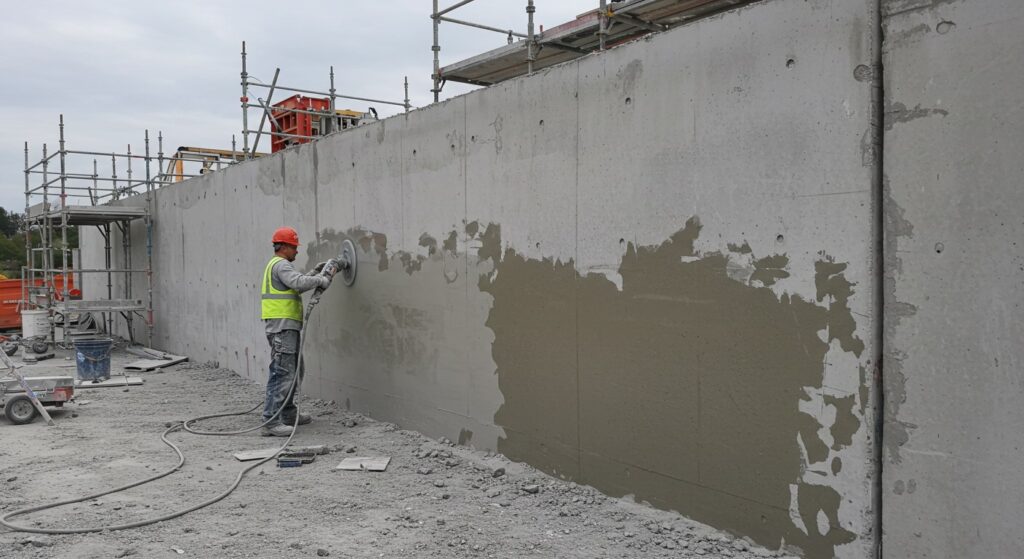

Restoring a Collapsed Driveway Approach in East Dallas After a 2 AM Storm
During a particularly violent storm cell last May, we received a desperate call from a homeowner in East Dallas. A municipal storm drain had clogged with debris, sending thousands of gallons of fast-moving street runoff directly over their curb and straight under their driveway approach. By 2 AM, the water had carved a four-foot-wide tunnel entirely through the subgrade, and a massive section of the concrete approach had collapsed into the trench. Both of the homeowner’s vehicles were trapped in the garage, and the jagged, broken concrete created a severe hazard just feet from the public roadway.
Securing the Drop-Off Zone
We deployed our emergency heavy equipment team immediately in the pouring rain. You obviously cannot pour fresh concrete during a flash flood, but you absolutely can halt the erosion. We utilized a mini-excavator to clear the shattered concrete debris out of the washout tunnel to establish a clean base. Then, we brought in loads of heavy crushed rock, dumping it directly into the void and using the excavator bucket to pack it tightly against the rushing water. By sunrise, the rushing water was diverted, the massive hole was completely filled and compacted with aggregate, and the homeowner could safely drive their trucks over the temporary rock base to get to work. Three days later, when the site was completely dry, our crews returned to cut clean joints, lay down a grid of steel rebar, and pour a permanent, reinforced concrete approach that completely restored the property.

Why Leaving Drop-Offs Exposed is a Massive Liability
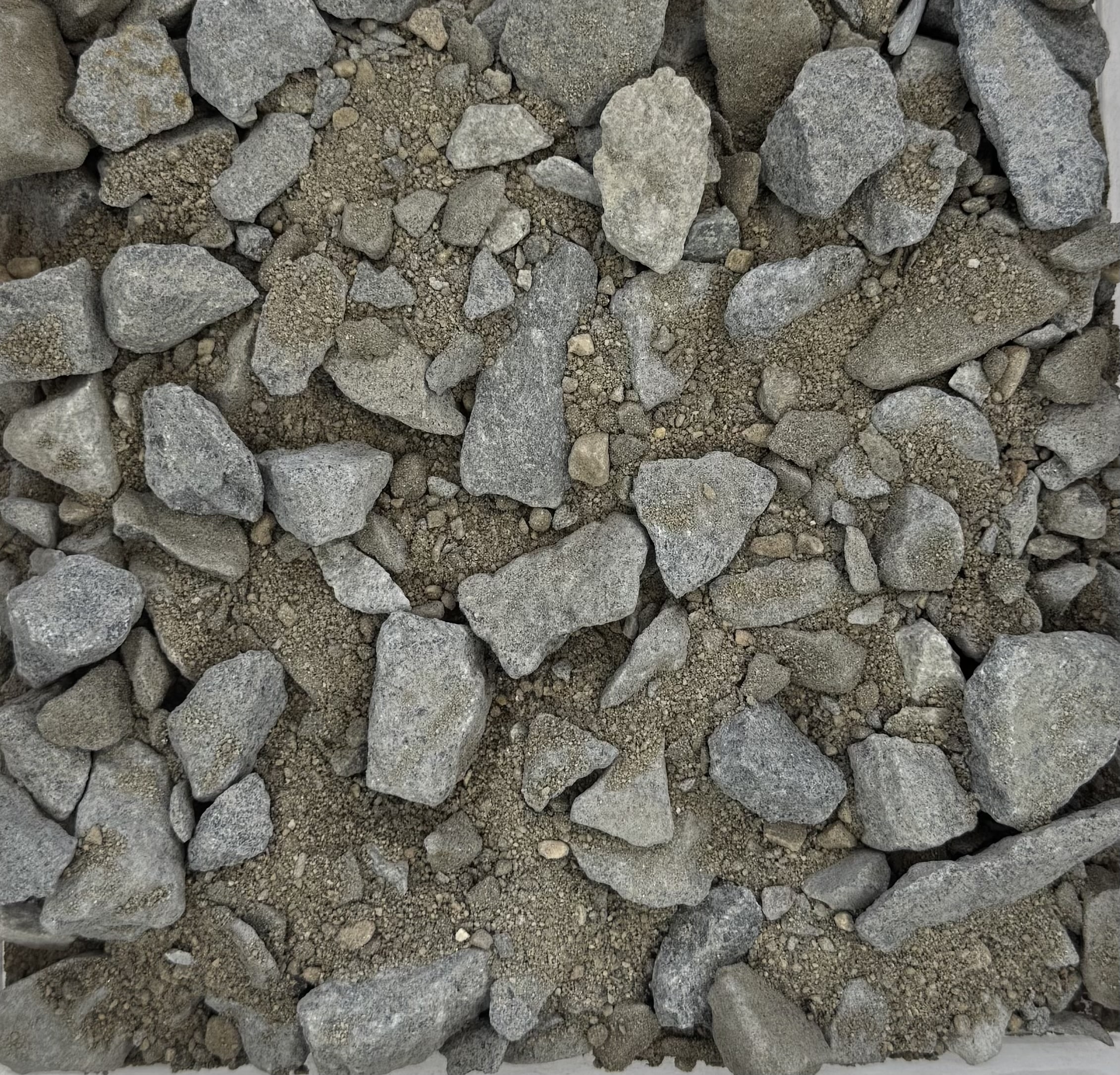
Utilizing TxDOT-Approved Type A Grade 2 Crushed Stone Base
The Right Aggregate Base for Dallas Runoff

Saving Property Access Even if Your Concrete Slab Has Already Collapsed
Our 24/7 Emergency Triage and Concrete Restoration Process



Addressing Washouts in Historic Dallas Neighborhoods vs. New Subdivisions
Correcting Poor Builder Grading
The Severe Risks of Filling Washout Tunnels with Hardware Store Topsoil
Recognizing the Sounds and Signs of Immediate Slab Failure
Strict Compliance with City of Dallas Public Works Drainage Specifications
Navigating Right-of-Way Compliance


Heavy-Duty Silt Fencing and Runoff Management During Repair

Transparent Emergency Mitigation Pricing and Flat-Rate Concrete Restoration

Your Trusted Dallas Heavy Equipment Team for Urgent Concrete Stabilization
Frequently Asked Questions About Dallas Concrete Washouts
How much does emergency concrete washout repair and backfill cost in Dallas?
The average cost is $150 to $350 per hour for emergency heavy equipment dispatch, plus $40 to $80 per ton of aggregate backfill. Once the midnight triage halts the active subgrade erosion, Urban Concrete & Construction provides an exact, flat-rate quote for the permanent slab replacement. This hybrid pricing model protects Dallas property owners from open-ended invoices while ensuring immediate deployment of our skid steers and hydraulic breakers.
Does Texas homeowners insurance or FEMA flood insurance cover concrete driveway washouts?
No, standard Texas homeowners insurance policies categorically exclude earth movement and subgrade erosion caused by severe storm runoff. While FEMA flood insurance covers the primary dwelling, it rarely covers exterior concrete flatwork or driveway approaches damaged by flash floods. However, if the washout was caused by a sudden, accidental discharge from a covered municipal water line, Urban Concrete & Construction will provide the required geotechnical documentation to support your insurance claim.
Is it safe to park heavy vehicles on a temporary crushed stone driveway base?
Yes, a compacted temporary driveway can safely support the 5,000-pound to 8,000-pound weight of standard residential trucks and SUVs. Urban Concrete & Construction exclusively utilizes TxDOT-approved Type A Grade 2 crushed stone, which features highly angular edges that mechanically interlock under the pressure of a vibratory plate compactor. This commercial-grade aggregate matrix prevents rutting and safely bridges the subterranean void until the permanent reinforced concrete is poured.
How many days must a new 4,000 PSI concrete driveway cure before driving on it?
It takes exactly seven days of curing before a standard passenger vehicle can safely drive on a newly poured 4,000 PSI concrete driveway. While the surface will support foot traffic in just 24 to 48 hours, the concrete matrix requires a full week to achieve the compressive strength necessary to withstand vehicular shear forces. To combat the extreme North Texas heat, Urban Concrete & Construction applies a specialized liquid curing compound to slow moisture evaporation and prevent micro-cracking across the slab surface.
What type of PVC pipe is required to permanently reroute drainage away from a Dallas driveway?
You must install solid, heavy-wall Schedule 40 PVC pipe to permanently redirect roof downspout drainage beneath concrete flatwork. Corrugated black plastic tubing is easily crushed by the shrinking and swelling of Blackland Prairie clay, which eventually leads to hidden subterranean leaks and repeated washouts. Urban Concrete & Construction trenches and installs rigid Schedule 40 PVC catch basins to capture the water and transport it safely to the municipal storm drains, correcting poor builder grading for good.
How long does the City of Dallas take to issue a Right-of-Way permit for a driveway approach?
It takes 3 to 5 business days for the City of Dallas Public Works Department to process and approve a standard Right-of-Way (ROW) permit. Because a collapsed driveway approach extending into the street gutter creates a severe municipal liability, Urban Concrete & Construction expedites the barricade plans and regulatory paperwork. We ensure your replacement slab matches the exact parabolic crown slopes required by the city, preventing costly code compliance fines.
Will Dallas neighborhood HOAs fine me for having a temporary crushed rock driveway?
No, most Dallas Homeowner Associations grant a 14-day to 30-day emergency variance for temporary crushed rock surfaces following a severe weather event. Because leaving an open washout trench creates an immediate safety hazard, HOAs prioritize rapid site stabilization over aesthetic rules. Urban Concrete & Construction utilizes clean, professional-grade limestone aggregate rather than muddy fill dirt, keeping your property looking organized while we schedule the permanent concrete replacement phase.
Do I need a geotechnical engineer if a soil washout reaches my home's primary foundation?
Yes, any subgrade erosion extending within three feet of your home’s perimeter grade beams requires immediate assessment by a licensed geotechnical engineer. When moving water undermines the load-bearing strata supporting your primary structure, filling the hole with aggregate is no longer sufficient. Urban Concrete & Construction coordinates with Texas Licensed Professional Engineers to map the exact loss of structural load transfer and implement deep-drilled steel piers or structural polyurethane injection to secure the foundation before rebuilding the adjoining patio.