
Urban Concrete & Construction
Permanently Stabilize Your Dallas Apartment Complex With Engineered Deep-Drilled Pier Underpinning.
We deploy heavy-duty drilling rigs from our McCallum Blvd hub to install commercial-grade steel piers backed by Texas Licensed Professional Engineers.
Commercial Underpinning and Geotechnical Stabilization in Dallas
When differential settlement compromises your apartment complex, cosmetic patching will not restore leasability. We provide commercial foundation repair and underpinning in Dallas, deploying deep-drilled steel piers to bypass active clay zones. We utilize forensic geotechnical engineering to map soil subsidence and execute permanent structural load transfer, fully stabilizing your multi-family property.
In the multi-family real estate sector, a sinking foundation is a financial emergency that directly impacts your Net Operating Income (NOI). If a foundation failure causes doors to jam and drywall to tear, those units become completely un-leasable, directly bleeding your revenue. Structural instability also poses significant liability risks, violating municipal safety codes and triggering heightened scrutiny from corporate insurance underwriters. We engineer permanent stabilization solutions specifically designed for heavy commercial loads. We do not guess at the failure mechanisms; we rely on hard geotechnical data to determine the exact depth of the load-bearing strata required to support your building. By installing heavy-duty, deep-drilled piers, we physically disconnect your foundation from the shrinking and swelling topsoil, transferring the immense weight of the structure directly to unyielding bedrock. This highly engineered approach completely halts the progressive damage, allowing your maintenance teams to permanently repair the cosmetic interior damage, pass city inspections, and return your offline units to the active rental market.
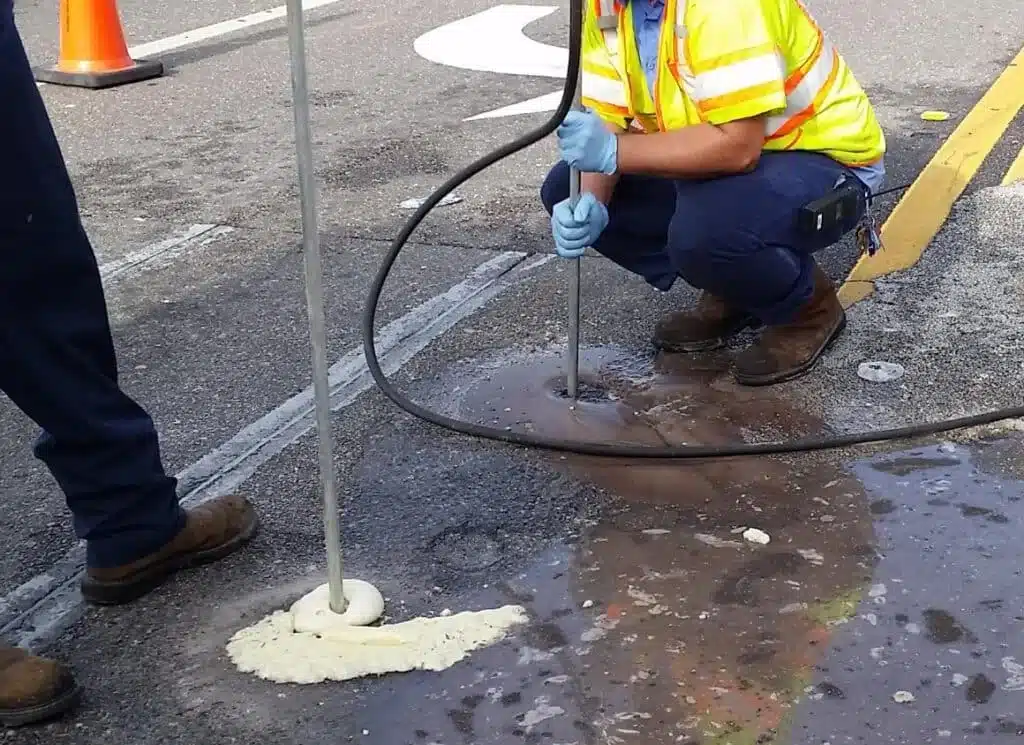
Battling Vertisol Clay From Our McCallum Blvd Hub
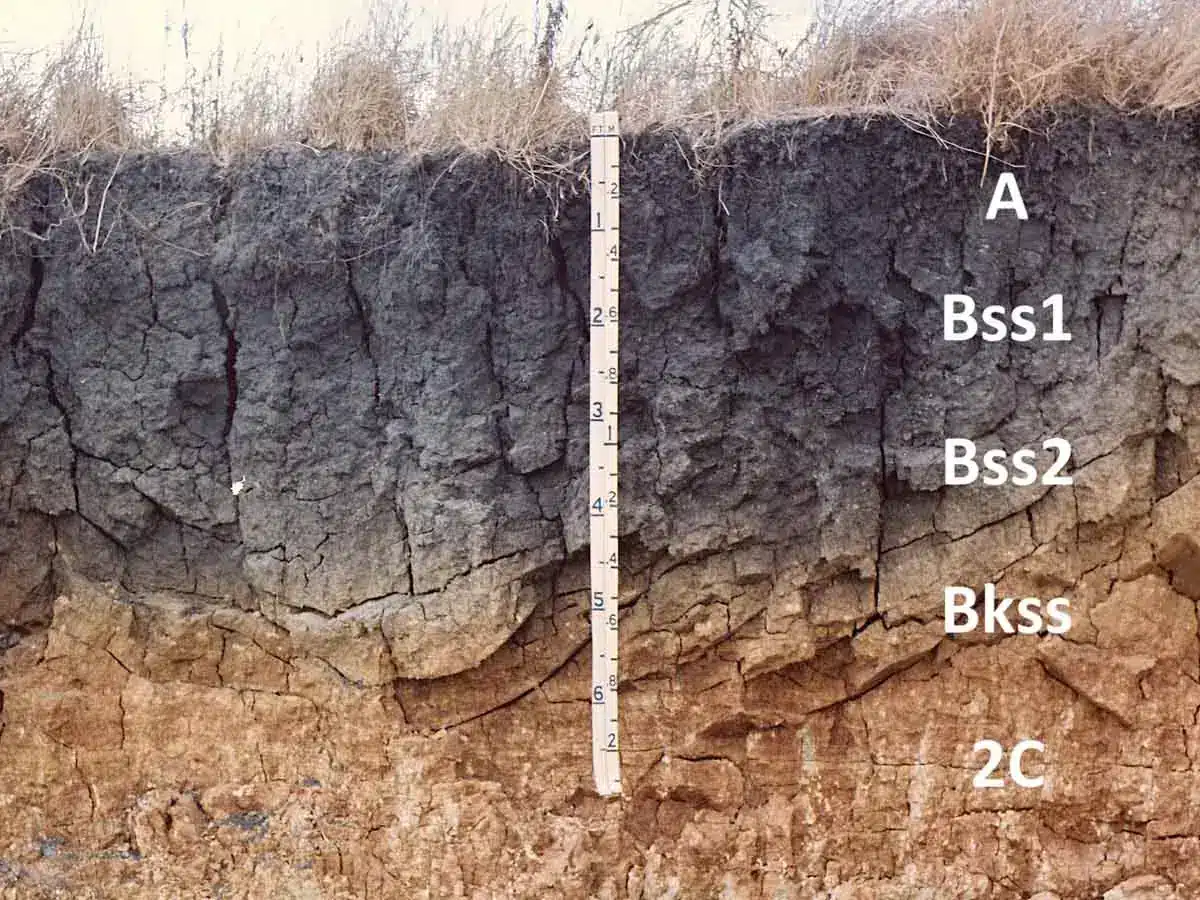
Operating a sprawling commercial property in Dallas means waging a constant war against the ground beneath your buildings. The entire metroplex sits directly on the Blackland Prairie, a geological formation characterized by its highly volatile Vertisol clay. This specific soil composition is notorious for its extreme shrink-swell potential. During the harsh Texas summer droughts, the clay rapidly dehydrates and shrinks, creating massive subterranean voids that leave your heavy concrete grade beams entirely unsupported. When the torrential spring rains return, the soil absorbs moisture and expands violently, pushing upward under thousands of pounds of hydrostatic pressure.
This constant, uneven heaving and dropping literally rips commercial structures apart. We operate our heavy equipment dispatch hub right on McCallum Blvd, positioning our commercial underpinning crews to respond rapidly to properties city-wide. We understand the distinct geotechnical variations across the region, from the shifting soils in the northern suburbs down to the dense clay pockets of South Dallas. Because we battle this specific environmental threat daily, we do not rely on generic, out-of-state repair protocols. We engineer every underpinning system to directly counteract the unique hydraulic forces of Dallas clay, ensuring your real estate investment is permanently shielded from the local geology..
Rescuing a 200-Unit Apartment Complex in North Dallas
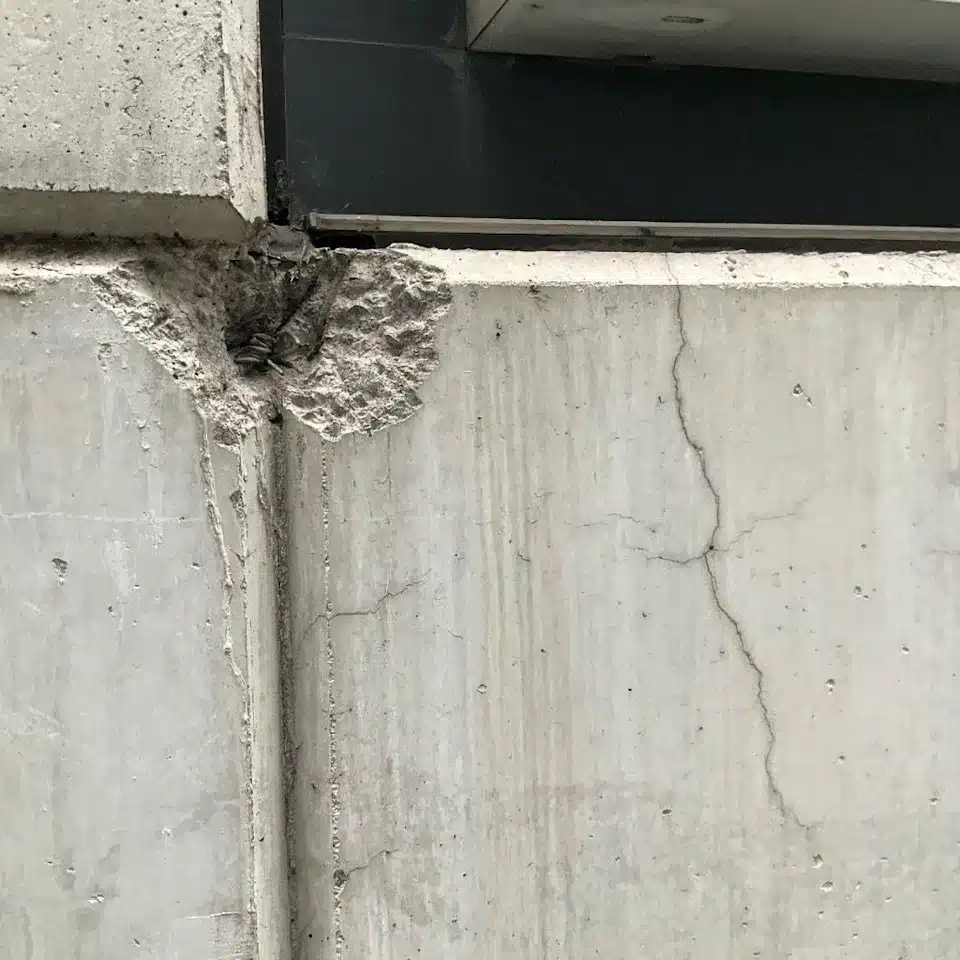
Last fall, our commercial foreman received an urgent call from an asset manager overseeing a sprawling, 200-unit apartment complex in North Dallas. The property was experiencing severe differential settlement across three different residential blocks. The foundation had dropped so drastically on the western elevation that the wooden framing was completely warped. Tenants in twelve separate units were physically unable to close or lock their front doors, and massive diagonal cracks had formed across the interior drywall. The property management company was bleeding rental income, facing imminent lease terminations, and facing severe liability threats because the building envelope was compromised.
Restoring Occupancy and Halting Liability
Our team mobilized immediately to stop the structural bleeding. We partnered with a Texas Licensed Professional Engineer to conduct a forensic geotechnical investigation, confirming that the active clay zone extended 14 feet below the surface. We deployed our heavy drilling rigs and installed a grid of deep-drilled steel piers, driving 2.875-inch outer-diameter structural steel tubing far past the volatile clay and directly into the stable bedrock at a depth of 22 feet. Once the piers were locked into the load-bearing strata, we used synchronized hydraulic lifting manifolds to carefully raise the sunken grade beams back to their original elevation. As the building lifted, the warped framing instantly squared up. The jammed doors swung shut perfectly, the structural tension was eliminated, and the asset manager was able to safely lease all twelve units the very next month.
The Total Failure of Shallow-Pressed Concrete Cylinders
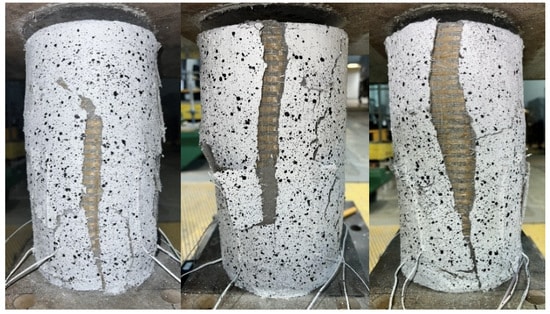
A glaring vulnerability in the Dallas foundation repair market is the reliance on cheap, shallow, pressed-concrete cylinders for commercial structures. Many generic residential contractors attempt to win commercial bids by offering this outdated, fundamentally flawed method. They use the building’s weight to press 12-inch concrete cylinders into the ground, stacking them on top of each other until they encounter resistance. The catastrophic flaw in this method is that these shallow friction piers rarely penetrate past the active moisture zone of the clay. When the next severe Dallas drought hits, the deep soil shrinks, the friction holding those concrete cylinders disappears, and your multi-story building immediately begins to sink again. You are essentially paying tens of thousands of dollars to rest your commercial asset on a stack of loose blocks floating in the mud. We completely reject this sub-standard methodology. Heavy multi-family loads demand absolute load-bearing certainty, not temporary friction. We engineer permanent structural load transfer by bypassing the active soil entirely. We drill deep shafts and install continuous steel and concrete elements that anchor directly into immovable bedrock, ensuring that no amount of topsoil shrinkage or expansion will ever affect your building’s elevation again.
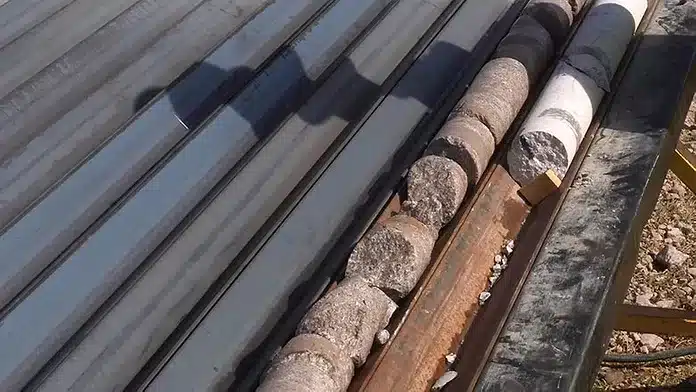
Utilizing Commercial-Grade Steel Tubing and Deep-Drilled Shafts
In the realm of heavy commercial underpinning, the specific metallurgical properties and dimensions of your structural supports determine the building’s survival. We refuse to use thin-walled pipes or generic steel brackets that bend under multi-story loads. Our installations utilize highly engineered materials designed specifically for massive compressive strength. We deploy 2.875-inch outer diameter structural steel tubing with a thick 0.165-inch wall, rated to handle the extreme vertical loads of commercial apartment buildings.
Engineered Load Transfer to Bedrock
Depending on the specific geotechnical report, we frequently employ deep-drilled concrete shafts reinforced with heavy #4 steel rebar cages. We drill these shafts using commercial augers, penetrating far below the active moisture depth. When we attach the building to these deep-drilled piers, we use heavy-duty, commercial-grade steel underpinning brackets bolted to the perimeter grade beams. These brackets are designed with a massive factor of safety, easily supporting the dead weight of a three-story brick veneer wall and the live loads of the occupied units above. By utilizing commercial-grade structural steel and deeply drilled reinforced concrete, we guarantee that the load transfer is absolute, permanent, and mathematically verified to withstand the harshest geotechnical conditions in North Texas.

Strict Adherence to Dallas Commercial Building Codes
Executing foundation repair on a multi-family commercial dwelling within the Dallas city limits is a highly regulated engineering project. You cannot legally lift an apartment building without strict adherence to municipal safety codes and rigorous structural oversight. We exercise absolute technical authority, strictly adhering to Chapter 53 of the Dallas Building Code and all associated commercial amendments that govern structural modifications. We do not perform commercial underpinning based on a salesman’s visual guess; every single multi-family stabilization project we execute is backed by stamped, certified engineering reports from independent Texas Licensed Professional Engineers (PEs). These engineers calculate the exact required pier depth, bracket spacing, and maximum allowable hydraulic lifting pressure based on your building’s specific load path. We submit these engineered drawings directly to the Dallas Building Inspection Division to secure the mandatory commercial permits before we ever break ground. Furthermore, third-party engineers conduct rigorous on-site inspections during the drilling and lifting phases to verify our adherence to the structural plans. We provide your asset management team with a complete package of engineering sign-offs, municipal permits, and final compliance reports, shielding your corporate entity from liability and ensuring your property meets all civic safety standards.
Our 3-Step Commercial Underpinning Protocol
Underpinning an occupied commercial building requires a highly organized, heavily documented sequence of operations to ensure safety and precision. We execute a strict, three-step customer journey to guide your property from critical failure to permanent stability. Managing Commercial Structural Load Transfer Safely
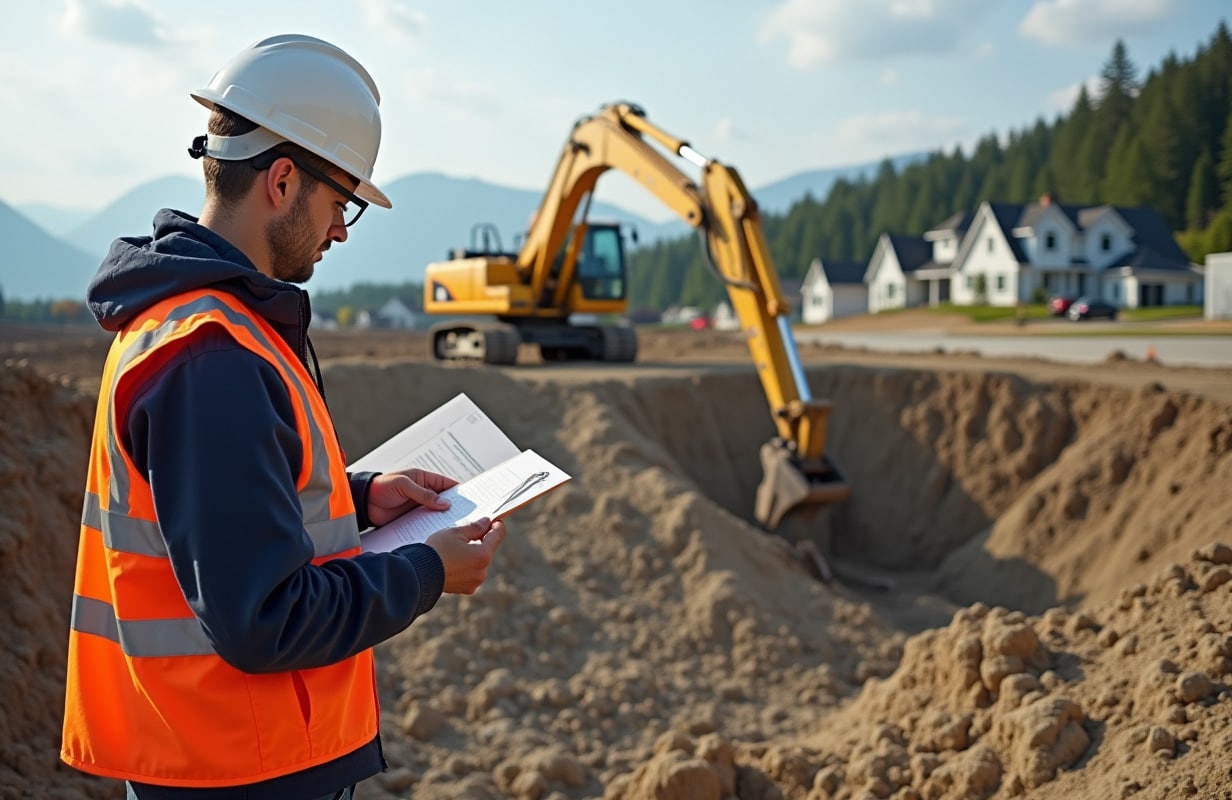
Step One is the Forensic Geotechnical Diagnosis.
We achieve optimal soil compaction densities, meticulously install the heavy-duty vapor retarder, and place the specified grid of deformed steel rebar or post-tensioning cables.
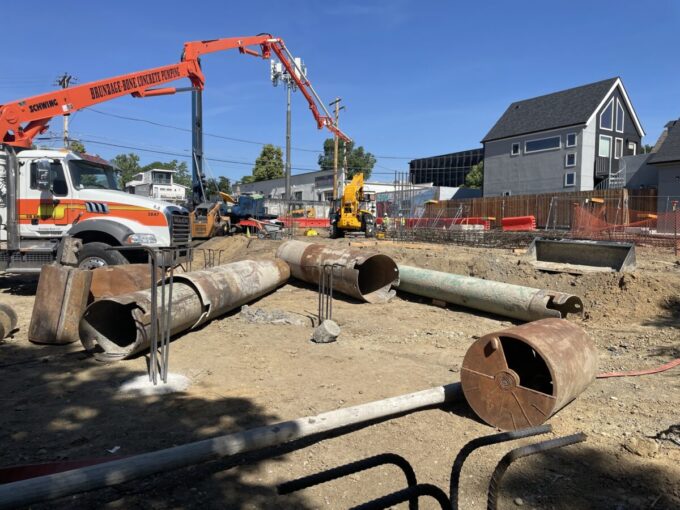
Step Two is the Deep-Drilling and Pier Installation.
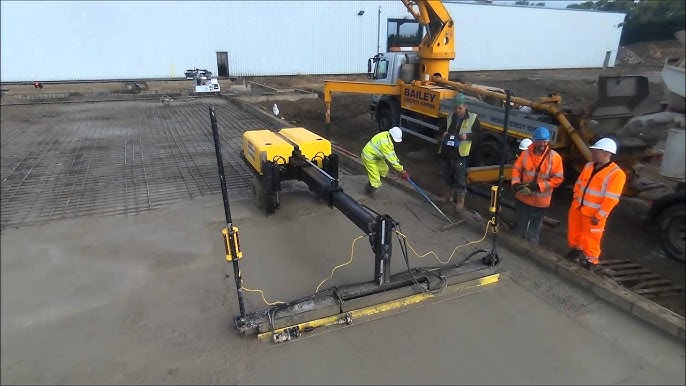
This is where our technological advantage shines. We deploy advanced, ride-on laser screed machines that read digital elevation data 10 times per second. These machines strike off the wet concrete with absolute mathematical precision, allowing us to achieve the exceptionally high Floor Flatness (FF) and Floor Levelness (FL) values required by automated material-handling systems.
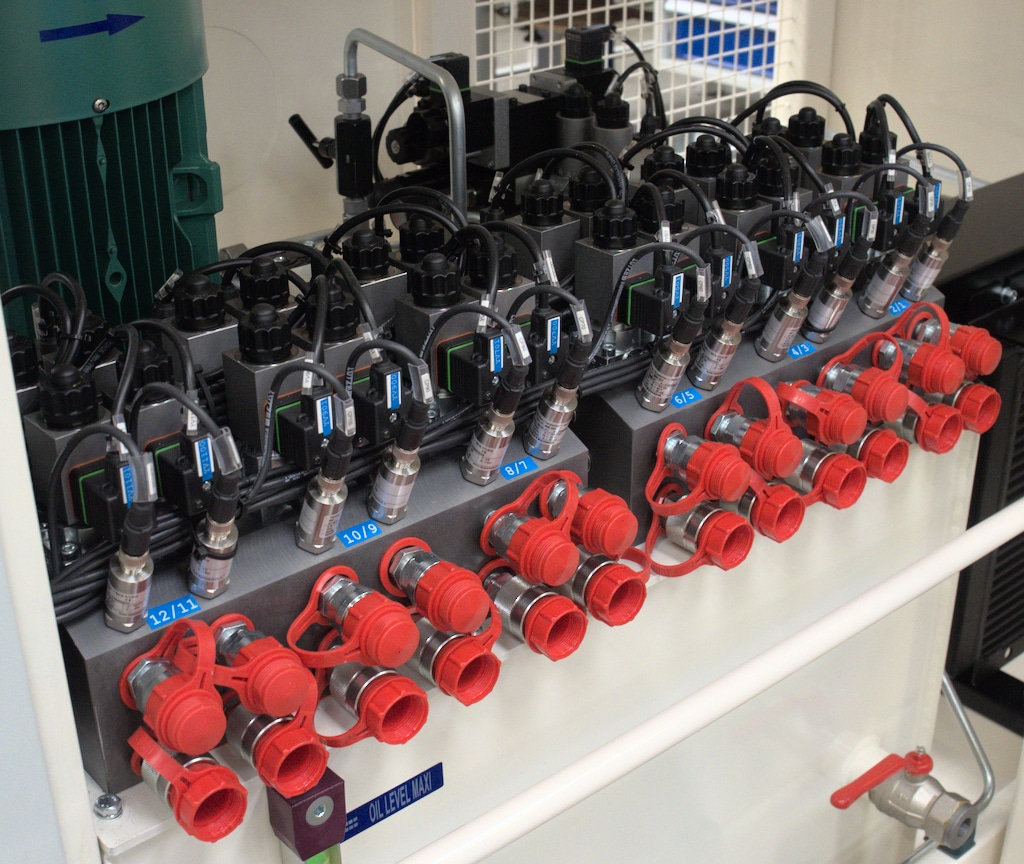
Step Three is the Synchronized Hydraulic Lifting.
This is the most critical phase of the operation. Once all piers are installed and the brackets are secured, we connect a series of heavy-duty hydraulic rams to a centralized, manifold-controlled pump. We do not lift one corner at a time, which would shatter the framing. The manifold ensures that the hydraulic pressure is distributed equally across the entire compromised section of the building. We lift the massive structure uniformly in millimeter increments, while continuously monitoring elevation with digital laser levels, until the foundation is restored to its original engineered tolerance. We then lock the steel brackets permanently into place.
Implementing a Strict Tenant Safety Protocol

Executing heavy structural repairs on an occupied multi-family property requires an unwavering commitment to tenant safety and logistical organization. You cannot afford to have a contractor leave deep excavation pits exposed or heavy machinery idling dangerously near active pedestrian pathways. We enforce a military-grade site management and Tenant Safety Protocol on every commercial project. Before we break ground, we establish strict, highly visible exclusion zones using commercial barricades and heavy-duty safety fencing to completely separate the active drilling areas from tenant foot traffic.
Ensuring Zero Interruption to Tenant Life
We understand that your tenants expect quiet enjoyment of their leased space. We manage the massive volume of extracted clay by directly loading it into staged dump trailers, preventing muddy soil piles from destroying your commercial landscaping or washing across your sidewalks. We sequence our heavy drilling and hydraulic lifting operations during approved daytime hours to strictly minimize noise disruptions. At the end of every shift, we secure all excavation pits with heavy-duty steel road plates or thick plywood covers, ensuring there are no fall hazards on the property overnight. We execute the entire structural underpinning process while ensuring your apartment complex remains fully operational, safe, and visually organized, protecting your relationship with your residents.
Securing 1970s Garden-Style Apartments vs. Modern Concrete Wraps
The architectural design of your apartment complex dictates the exact underpinning strategy we must deploy. The Dallas commercial real estate market spans decades of vastly different construction methodologies. If we are contracted to stabilize a sprawling 1970s garden-style apartment complex in East Dallas or Oak Cliff, we typically deal with relatively light, two-story timber-framed buildings resting on shallow, unreinforced concrete slabs. These older properties are highly susceptible to perimeter dropping, requiring a dense perimeter grid of steel push piers to re-support the aging grade beams without cracking the brittle concrete. Conversely, when we are hired to repair a massive, newly constructed multi-story concrete “wrap” building in Frisco or Plano, the engineering requirements are exponentially higher. These modern behemoths feature massive post-tensioned commercial slabs and heavy concrete parking structures that generate immense dead loads. Underpinning these modern giants requires heavy-duty, deep-drilled, straight-shaft concrete piers and massive steel brackets capable of supporting hundreds of thousands of pounds at each placement point. We possess the diverse tooling, heavy machinery, and specialized engineering partnerships required to safely secure any era of multi-family housing stock in the metroplex.
Operating Heavy Machinery in Restrictive Parking Lots
A primary logistical objection we hear from commercial property managers is the fear of site accessibility. You might have a building that is actively sinking, but it is tightly surrounded by narrow alleyways, densely packed tenant parking lots, and intricate commercial landscaping. You are terrified that bringing in heavy foundation drilling rigs will completely destroy your asphalt parking lot, trap your residents’ vehicles, and turn your manicured property into an impassable construction zone. We can execute complex underpinning operations even if your building is surrounded by tight, restrictive infrastructure. We utilize specialized, compact, track-mounted drilling rigs and portable hydraulic equipment designed specifically for limited-access commercial sites. These highly maneuverable machines can navigate through standard commercial gates, traverse narrow pedestrian walkways, and operate safely in incredibly tight quarters without requiring the demolition of your surrounding flatwork or the permanent closure of your fire lanes. When necessary, we use hand excavation techniques to expose the grade beams in highly sensitive areas. We adapt our mechanical footprint to the exact spatial constraints of your property, ensuring we achieve deep, structural load transfer without destroying the functional layout of your commercial site.
The Visceral Alarms of Commercial Foundation Failure
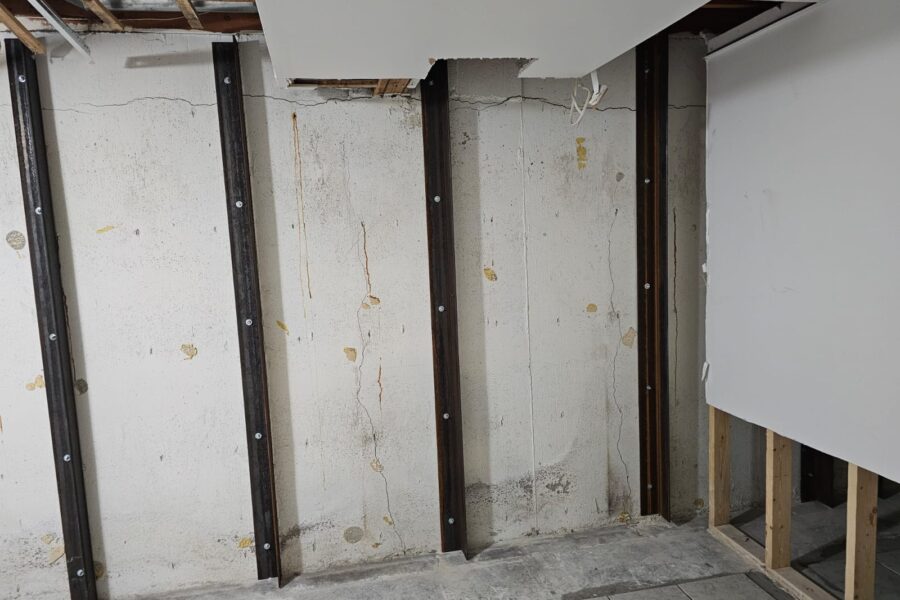
The physical reality of commercial foundation failure is deeply unsettling for both your tenants and your maintenance staff. It is not just a crack on a blueprint; it is a visceral, daily disruption. It is the heavy, agonizing friction of a metal commercial fire door aggressively scraping against the concrete floor, requiring your staff to throw their entire body weight against it just to force it open. It is the terrifying sight of massive, zigzagging stair-step cracks ripping upward through three stories of exterior brick veneer, making the building look neglected and unsafe to prospective renters touring the property. It is the distinct, vertigo-inducing sensation of walking down a second-floor common hallway and physically feeling the floor slope dramatically to one side, completely throwing off your balance. You can hear the loud, sudden “pops” of the wooden framing tearing at the seams in the middle of the night as the building shifts under the hydraulic pressure of the clay. These sensory alarms destroy tenant confidence and skyrocket your turnover rates. Our deep-drilled pier systems instantly eliminate sloping floors, square up jammed fire doors, and permanently silence cracking framing, restoring the solid, secure environment your residents pay for.

Why You Must Avoid Paying for the Same Repair Twice
The absolute worst-case scenario for a commercial real estate investor is deploying massive amounts of Capital Expenditure (CapEx) to fix a failing building, only to watch the same foundation fail again 12 months later. The number one fear we encounter is paying for the same repair twice. This nightmare occurs frequently when property managers hire generic contractors who diagnose the failure by merely looking at the cracks on the wall, rather than testing the soil beneath the slab. If a contractor installs cheap friction piers that stop ten feet deep, but the active moisture zone of the clay extends to fifteen feet, the repair is guaranteed to fail during the next drought. We completely eliminate this financial terror by grounding every single commercial project in hard, forensic science. We mandate independent geotechnical soil borings to mathematically prove where the stable bedrock lies. We drill and drive our commercial piers far past the volatile, moving clay, locking your building directly into the unyielding strata. We engineer the repair to be a permanent, one-time structural event. You do not gamble your corporate budget on our underpinning systems; you invest in a mathematically verified solution that permanently secures the asset.

B2B Estimating Based on Hard Geotechnical Data
Managing the budget for a multi-family structural repair requires absolute financial predictability. Asset managers cannot operate effectively if a contractor relies on vague estimates or constantly hits them with hidden change orders once the trenches are dug. We recognize that commercial underpinning represents a major capital deployment, and we utilize a highly transparent, data-driven B2B estimating philosophy. We do not guess at the cost based on surface symptoms.
Protecting Your Commercial Real Estate ROI
Our flat-rate proposals are built entirely on the hard data extracted from the initial geotechnical soil reports and the structural engineer’s stamped drawings. We calculate the exact number of steel or concrete piers required to support your building’s specific loads, and we factor in the drilling depths mandated by the bedrock analysis. We provide a comprehensive, itemized quote covering heavy equipment mobilization, deep drilling, structural brackets, synchronized hydraulic lifting, and final site restoration. There are no hourly labor surprises and no arbitrary material markups. You receive the exact, to-the-penny financial data your investment group needs to accurately calculate the repair’s ROI, allowing you to confidently approve the capital expenditure and protect your property’s long-term valuation.
Your Trusted Dallas Experts for Commercial Underpinning
Your commercial apartment complex is a high-value asset that generates critical revenue, and you cannot afford to leave its structural integrity at the mercy of shifting Dallas clay or inexperienced contractors. When differential settlement causes unleaseable units, massive liability risks, and torn brick facades, you need a highly technical geotechnical intervention. Urban Concrete & Construction is the premier authority for multi-family foundation repair and commercial underpinning in the Dallas Metroplex. We utilize forensic soil analysis, heavy-duty drilling rigs, and commercial-grade steel to execute permanent structural load transfers that bypass the volatile topsoil entirely. We partner with Texas Licensed Professional Engineers to ensure absolute adherence to municipal building codes, and we manage our construction sites with a rigorous dedication to tenant safety. Do not waste another dollar on cosmetic drywall patches while your building continues to sink. Secure your real estate investment with proven, engineered stability. Contact our McCallum Blvd dispatch hub right now to schedule a comprehensive commercial foundation audit, and let our B2B structural team permanently restore the value and safety of your multi-family property today.
Frequently Asked Questions About Commercial Concrete Slabs
How much does commercial steel pier foundation repair cost in Dallas?
The average cost is $1,500 to $3,000 per commercial steel pier installed. In Dallas, the total Capital Expenditure (CapEx) depends on the depth required to hit stable bedrock beneath the expansive Vertisol clay. Urban Concrete & Construction uses independent geotechnical soil borings to determine the exact pier layout, providing asset managers with a predictable flat-rate quote rather than open-ended time-and-materials invoices.
Does commercial property insurance cover foundation repair in Texas?
No, standard commercial property insurance policies in Texas categorically exclude foundation repair caused by natural earth movement or soil subsidence. Insurance underwriters view the shrink-swell cycle of Blackland Prairie clay as a routine maintenance risk rather than a sudden peril. However, if the differential settlement was triggered by an accidental rupture of a cast-iron commercial plumbing line, Urban Concrete & Construction can provide the forensic engineering reports necessary to support your commercial liability claim.
Is a hydrostatic plumbing test required after lifting a commercial foundation in Dallas?
Yes, a certified hydrostatic plumbing test is absolutely required after lifting any commercial slab to verify the integrity of the subterranean sewer lines. When hydraulic lifting manifolds raise a sunken multi-family structure, shifting soil can snap aging PVC or cast-iron pipes that were previously compromised by differential settlement. Urban Concrete & Construction mandates post-lift hydrostatic testing by licensed Texas plumbers to ensure zero under-slab leaks exist before you restore occupancy to the apartment units.
How long does the City of Dallas take to approve a commercial underpinning permit?
It takes 10 to 15 business days for the City of Dallas Building Inspection Division to process and approve stamped engineering plans for commercial underpinning. Modifying the load-bearing horizontal concrete floor framing of a multi-family structure requires strict adherence to Chapter 53 of the Dallas Building Code. Urban Concrete & Construction expedites this bureaucratic timeline by partnering directly with Texas Licensed Professional Engineers to submit flawless structural reinforcement calculations on your first application.
How much weight can a 2.875-inch commercial steel foundation pier hold?
A standard 2.875-inch outer diameter structural steel pier can safely support up to 75,000 pounds of ultimate compressive load. This massive load capacity is necessary to support the extreme dead weight of multi-story concrete “wrap” buildings and heavy brick facades common in modern Dallas architecture. Urban Concrete & Construction drives these thick-walled steel tubes directly into absolute load-bearing strata, ensuring the mechanical load transfer permanently bypasses the volatile topsoil.
Do tenants need to evacuate during apartment foundation underpinning?
No, residents generally do not need to evacuate their units during the exterior foundation underpinning process. Because the deep drilling and hydraulic lifting operations are performed from the exterior perimeter grade beams, the interior living spaces remain safe and structurally supported. Urban Concrete & Construction implements a strict Tenant Safety Protocol, deploying commercial barricades around the excavation pits to isolate the heavy machinery from pedestrian walkways.
How long does it take to underpin a multi-family apartment building?
It takes 1 to 3 weeks to completely underpin a standard Dallas garden-style apartment block, depending on the linear footage of the failure zone. The timeline is dictated by the depth of the bedrock and the number of deep-drilled concrete shafts required to stabilize the differential settlement. Urban Concrete & Construction utilizes compact, track-mounted drilling rigs that efficiently navigate tight commercial parking lots, minimizing noise disruption and accelerating structural load transfer.
Is the commercial foundation repair warranty transferable if we sell the apartment complex?
Yes, the lifetime structural warranty on our deep-drilled steel piers is fully transferable to the new ownership group upon the asset’s sale. Transferable warranties are a critical component of protecting your commercial real estate ROI during a disposition. Urban Concrete & Construction provides complete transfer documentation alongside the stamped engineering reports, proving to prospective buyers and their lenders that the multi-family property is permanently secured against Dallas clay soil heave.