
Urban Concrete & Construction
Flat Roofs That Hold Up to Dallas Heat and Rain
Same crew assesses deck, drainage, and membrane – concrete background means we read the substrate, not just the surface.
Flat Roofing and Waterproofing Services We Provide in Dallas
Urban Concrete & Construction installs, coats, and repairs flat roofs across Dallas for commercial building owners who need the whole system done right.
We work on commercial buildings, warehouses, urban row structures, and low-slope additions. Three service lanes cover every situation: full flat roof installation for new builds or complete tear-offs, roof coating application to extend the life of an existing surface, and targeted flat roof repair for localized damage. Each job starts with a substrate assessment – meaning we look at the roofing substrate (the structural layer the membrane sits on, usually concrete, steel, or wood decking) before anything gets applied. That one step changes the quality of every job that follows.
Dallas buildings face a specific combination of punishment: five to six months of high UV intensity, then heavy spring rain events that drop inches of water fast. Flat roofs and low-slope roofs – roofs with almost no pitch that drain slowly – absorb that heat directly and collect standing water after storms. Our team handles all three service lanes from one phone call. Our background as a concrete contractor means the crew reading your deck condition is the same crew that pours and repairs concrete decks – a structural perspective most roofing-only companies don’t bring to the assessment.
Built on Dallas Commercial Corridors - We Know These Roofs
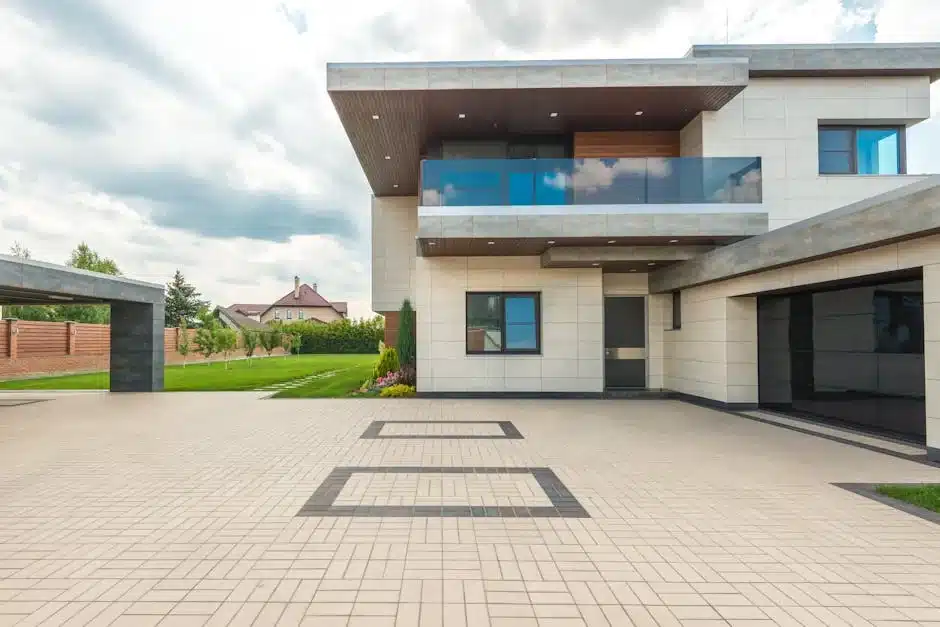
Dallas’s industrial corridors and urban infill blocks demand flat roofing expertise most building owners only find after a costly surprise.
The warehouse and light-industrial zones along I-30, I-35E, and the Stemmons Freeway are full of flat-roofed structures built in the 1970s through the 1990s. Many of them are running on original membrane systems or older modified bitumen surfaces that have been patched repeatedly. A warehouse near the I-30 and South Buckner Boulevard interchange in the 75227 zip code, for example, represents exactly the building vintage we work on routinely: concrete deck, older membrane, drainage inlets that have shifted over decades of clay soil movement.
The urban infill neighborhoods inside Dallas proper – the mixed-use blocks where residential additions, converted commercial spaces, and small multi-family buildings stack up – have a different issue. Those roofs are often smaller, harder to access, and built over concrete decks that have been through years of Dallas heat cycles.
Flat roof failure follows a consistent pattern in these corridors: water moves through a failed seam or blister for weeks before it shows up on a ceiling. By the time it’s visible inside, the roofing substrate underneath has already absorbed moisture. Recoating or patching over a wet substrate seals the problem in. We check the deck condition before anything goes down.
Why Dallas Heat and Spring Rain Push Flat Roofs to Failure Faster
Dallas’s combination of extreme UV and fast-moving spring storms accelerates flat roof membrane failure faster than most building owners expect.
Working across Dallas rooftops – warehouses off I-30, older commercial strips in East Dallas near the Gaston Avenue corridor, flat-roofed additions on residential properties in Oak Cliff and South Dallas around the 75216 and 75224 zip codes – the same pattern appears. A TPO membrane (a white or light-colored roofing sheet welded at the seams, one of the most common commercial flat roofing materials in Texas) looks solid from street level. Get up there and you find seam separations along the western face – the side that takes six-plus hours of direct afternoon sun every summer day.
Dallas delivers a specific kind of stress to a flat roof. Heat isn’t just about temperature – it’s about thermal cycling. A Dallas rooftop can swing 60 to 70 degrees between a cool February morning and a July afternoon. That daily expansion and contraction works every seam, every penetration, every termination point. TPO and EPDM roofing (a rubber-based flat roofing membrane that handles temperature swings well but absorbs more heat than TPO due to its black color) both perform well when properly installed on a stable, dry substrate.
Then spring hits. DFW can drop three to four inches of rain in a single storm event. Flat roofs drain slowly by design. Any low spot – even a slight deflection in the deck – becomes a ponding water zone. Ponding water is water that sits on a flat roof for more than 48 hours after rain. It adds structural load and accelerates membrane deterioration at a pace that surprises building owners. A blister that forms in June can split and become an active leak by September.
On flat roofs over concrete decks, moisture wicks into the concrete itself. Applying a new waterproofing membrane – a continuous barrier, either sheet-applied or liquid-applied, that prevents water from moving through a surface – over a saturated concrete deck traps that moisture. The membrane lifts, blisters, and fails faster than one installed over a properly dried and prepared surface. The substrate assessment isn’t optional. It’s the job.

When the Deck Is Right, the Membrane Lasts
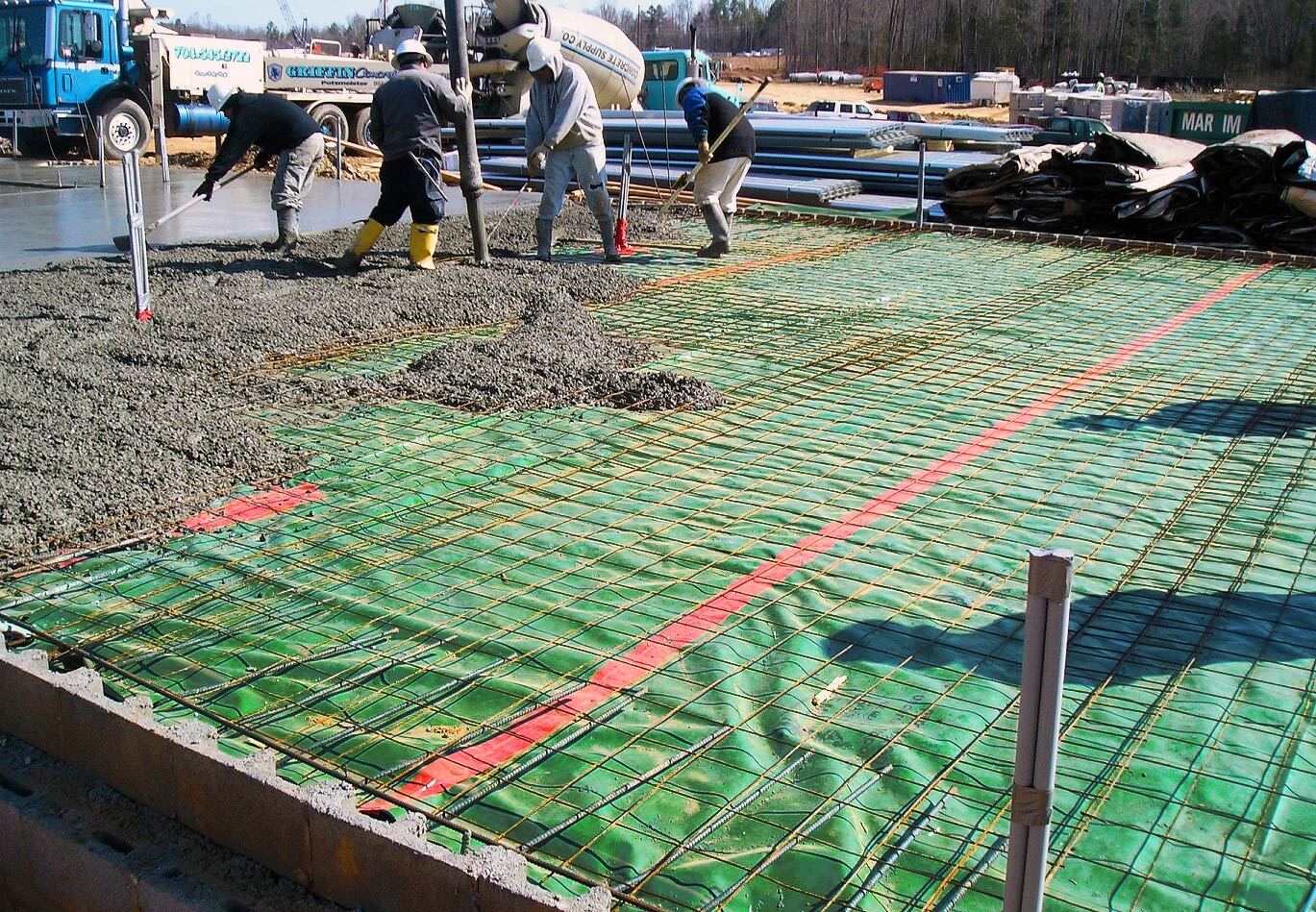
A flat roof coating or membrane installed over a properly prepared deck performs significantly longer than one applied over a questionable surface.
One question commercial building owners ask regularly: “Can we just coat over what’s there?” Sometimes, yes. Sometimes it’s the best financial decision available. A roof coating – specifically an elastomeric or silicone liquid-applied waterproofing layer – can add years to an existing flat roof at a fraction of full replacement cost. Silicone coatings handle ponding water better than most alternatives and reflect UV effectively, which matters on a Dallas rooftop running at 180°F surface temperature in July.
The honest answer: a coating applied over a failed or wet substrate fails too. It doesn’t fix what’s underneath – it covers it. Our process separates these situations clearly. We assess the deck. We check for moisture in the substrate. Because our background is in concrete construction, we can evaluate the structural condition of a concrete deck – surface spalling, joint failures, signs of internal moisture migration – with the same judgment we bring to any flatwork pour. If the existing surface is structurally sound and dry, a coating system is often the right call. If the membrane has deteriorated past the point where adhesion is reliable, or the roofing substrate shows moisture infiltration, we document that before proposing anything. The recommendation is based on what we find, not on what produces the larger invoice.
What We Verify Before Any Coating or Membrane Goes Down
Every flat roofing job at Urban Concrete starts with a substrate-level assessment – not a surface-level quote.
Our pre-installation standards cover the full system:
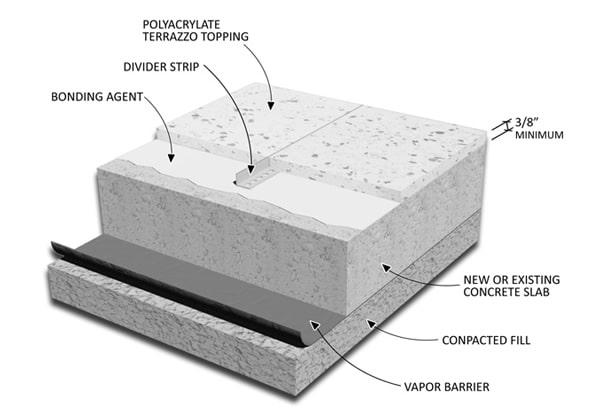
- Substrate condition check – We inspect the roofing substrate (concrete, steel, or wood deck) for moisture, structural deflection, or delamination before any system is specified
- Drainage mapping – We identify existing drain locations, low spots, and any area with ponding water history; drainage issues get addressed before the new system goes down
- Existing membrane evaluation – Current TPO, EPDM, modified bitumen, or built-up roofing surfaces are assessed for adhesion, seam integrity, and blister presence
- Penetration and termination inspection – HVAC curbs, pipe penetrations, parapet walls, and edge terminations are the most common failure points on Dallas commercial roofs; we verify every one
- Material specification matching – Coating or membrane selection is matched to actual substrate and use conditions, not defaulted to a single product for every job
Three coats. Not two. When a coating spec calls for three applications, that’s what gets applied. Dallas UV exposure means film thickness matters.
From Substrate Assessment to Final Inspection - Our Roofing Sequence
Our flat roofing process runs in a defined sequence so nothing gets covered up before it’s ready.

Site Diagnostics
We start on the roof, not in the office. The diagnostic phase includes a physical walk of the entire roof surface, probing for soft spots and moisture, and mapping drainage patterns. On concrete deck roofs, we look for surface spalling, joint failures, and signs of prior water migration into the deck itself. A waterproofing membrane is only as reliable as the surface it bonds to.
For commercial projects, we document conditions in writing and photograph each identified issue before any scope is finalized. Building owners and property managers receive a written assessment, not a verbal estimate.
Preparation and Installation
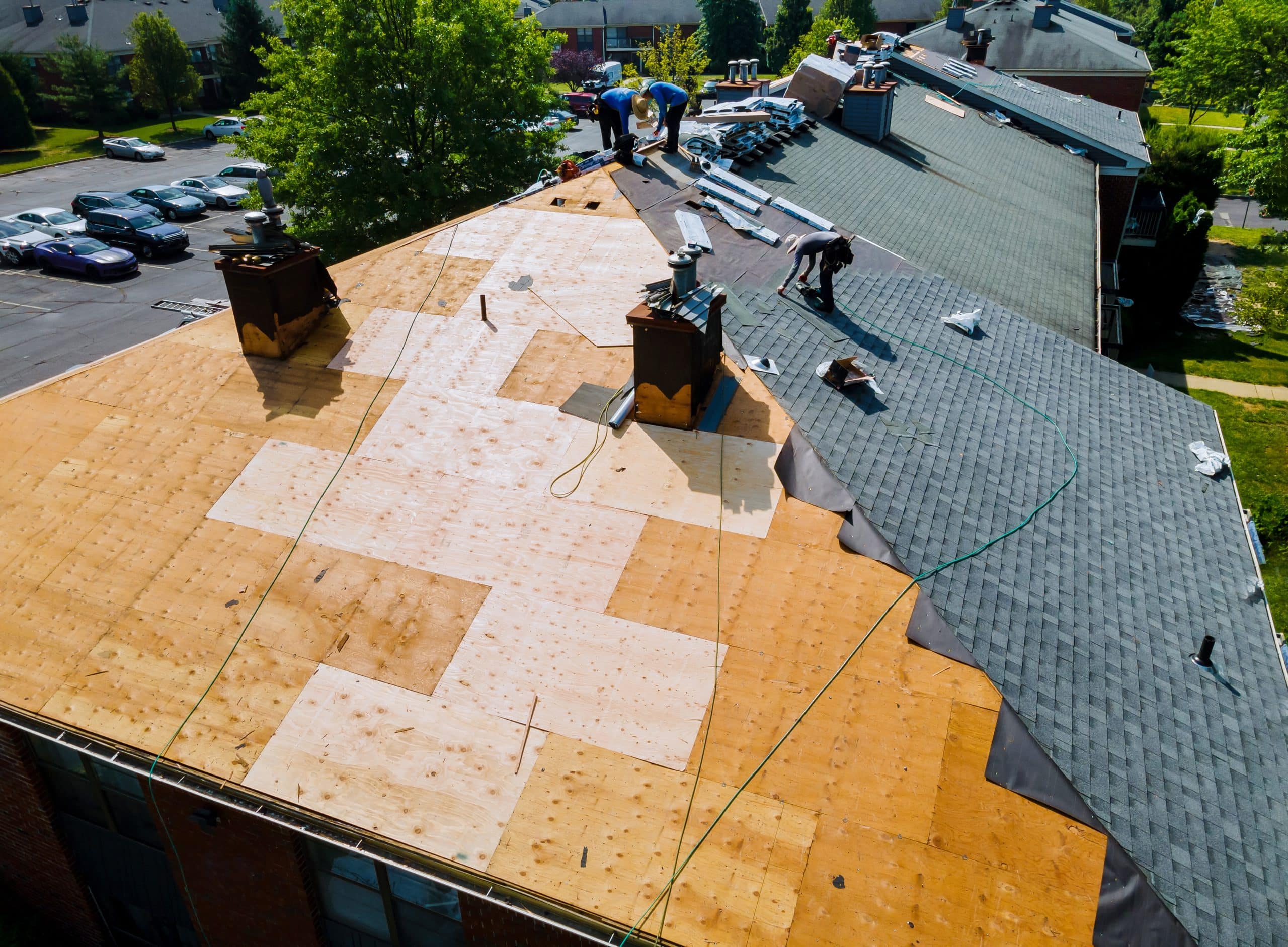
Preparation happens before material touches the roof. That means removing any failed sections of existing membrane, cleaning the substrate, addressing drainage corrections, and priming concrete or masonry surfaces where coating adhesion requires it. Material selection – TPO, EPDM, silicone roof coating, elastomeric system – is confirmed against the substrate type and the building’s drainage geometry.
Seam work on TPO systems is heat-welded to manufacturer specifications. Coating applications are staged with cure time between layers. No phase of the work gets rushed to hit a one-day schedule.

Final Verification
After the new system is in place, we inspect every seam, penetration, and termination point. On coating applications, we verify dry film thickness to confirm the product performs at the specified coverage rate – a detail that’s easy to skip and easy to verify. Final documentation includes photos of the completed system and any areas where repairs or corrections were made. For Dallas commercial properties, that record matters when the next tenant, buyer, or insurer asks about the roof.

Dallas Flat Roofing Service Areas: Neighborhoods and Corridors We Cover
We serve commercial and mixed-use properties across Dallas, with particular depth in the industrial and urban infill zones where flat roofing demand is highest.
Our flat roofing and waterproofing work is concentrated in the neighborhoods and corridors where aging commercial flat roofs are most common. In Dallas proper, that means the warehouse and distribution zones in the 75207 and 75212 zip codes along the Stemmons Freeway and the Design District, the industrial strips through West Dallas and the 75208 corridor in Oak Cliff, the older commercial buildings along Gaston Avenue and the 75214 zip code in East Dallas, and the mixed-use and multi-family properties through South Dallas and the 75216 and 75224 zip codes. The Garland Road and Buckner Boulevard corridors through East Dallas (75228, 75227) are also consistent work areas, particularly for flat-roofed warehouses and neighborhood retail built in the 1970s and 1980s. Beyond Dallas proper, we cover commercial properties in Garland (including the industrial zones near Garland Road and Northwest Highway, 75041 and 75042), Mesquite, Irving, Grand Prairie, Arlington, Carrollton, Richardson, and Plano. Call to confirm coverage for your specific location.
GET ON THE ROOF
Schedule Your Flat Roof Assessment in Dallas Today
Dallas heat and spring rain turn minor membrane issues into structural water damage quickly – a substrate assessment catches them first.
Contact Urban Concrete & Construction to schedule a substrate-level roof assessment for your Dallas commercial property. We provide a written scope before any work is scheduled. Call (214) 225-2062, email info@concreteconstructiontx.com, or use the contact form on this page. We’ll confirm availability and get a crew to your building.
Frequently Asked Questions
How much does a flat roof coating or replacement cost for a Dallas commercial building?
Flat roof coating systems typically run $3 to $7 per square foot for commercial properties. Full membrane replacement costs more – usually $8 to $15 per square foot depending on substrate condition and system type. Dallas buildings with damaged or wet decking require additional prep work, which affects final pricing. We provide written scopes after the substrate assessment, not before.
What's involved in your flat roof assessment, and how long does it take?
Our diagnostic visit covers a full physical walk of the roof, moisture probing, drainage mapping, and penetration inspection. Most commercial roof assessments take two to three hours on-site. You receive a written findings report before any scope is proposed. Nothing gets coated or covered until the deck condition is confirmed.
Can you coat over my existing flat roof, or does it need to be torn off first?
Coating over an existing roof is possible – but only when the substrate is structurally sound and dry. Applying a new coating over a wet or failing deck seals moisture in and accelerates failure. Our assessment determines which path makes financial sense. We document the findings and explain the recommendation before any work is scheduled.
Why hire a concrete contractor for flat roofing instead of a roofing-only company?
Flat roof failures frequently involve the concrete deck underneath – not just the membrane surface. A roofing-only contractor treats the membrane. We assess the entire system: deck condition, drainage geometry, and waterproofing compatibility together. That integrated approach catches substrate problems before they become a second project.
Does flat roofing work in Dallas require a building permit?
Commercial roofing projects in Dallas typically require permits, and work near state roads may also fall under TxDOT review. Residential flat roof repairs are often exempt, but scope and structural involvement determine that. Permit requirements are identified before any work begins – not discovered after the job is already underway.
How long does a flat roof last after a proper coating or membrane installation?
A silicone coating system applied over a properly prepared deck typically lasts 10 to 15 years in Dallas conditions. TPO and EPDM membrane installations generally perform 20 to 25 years with correct installation and drainage design. UV intensity and ponding water – water sitting more than 48 hours after rain – are the two fastest-acting failure drivers on Dallas rooftops.