
Pier and Beam Underpinning Cost in Dallas (2026): What Homeowners Should Expect
June 23, 2026
- By
- Urban Concrete & Construction
- Foundation Repair Specialists
Pier and beam underpinning in Dallas, TX typically ranges from several thousand dollars for minor stabilization to significantly more for full structural correction, depending on scope and soil conditions. At Urban Concrete & Construction, we’ve been helping homeowners evaluate Pier and Beam Underpinning Cost in Dallas (2026) for years of experience, and we’ve noticed the same pattern: the earlier the issue is addressed, the more manageable the cost. Ignoring movement almost always increases the repair scope. We recently evaluated a pier and beam home in Dallas, TX where minor floor slope turned into cracked beams and failing shims because the owner delayed repairs for two seasons. What started as a small adjustment evolved into structural underpinning across multiple piers. If you’re already seeing signs of movement, it’s smart to review related foundation services like our foundation repair solutions before damage spreads.
What a Proper Underpinning Assessment Should Include
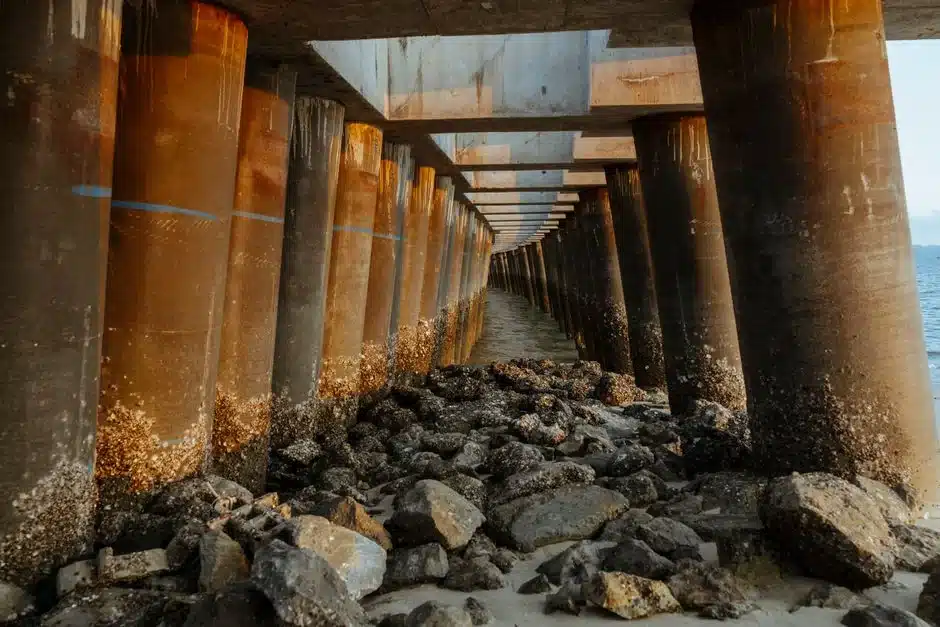
Accurate pricing starts with a thorough structural evaluation. We always emphasize three fundamentals: measure movement precisely, assess soil conditions, and inspect every load-bearing element in the crawl space. Skipping any of these steps leads to underestimating scope – and cost surprises later. A professional underpinning assessment should include:
- Laser level elevation readings across the home to map differential settlement
- Crawl space inspection of beams, joists, and pier caps for rot or insect damage
- Soil bearing review, especially in areas with expansive clay common in Dallas, TX
- Verification that footings meet IRC R403 bearing requirements
- Drainage evaluation to prevent recurring movement
Budget Planning and Timeline Expectations for 2026
Underpinning costs in 2026 vary because no two foundations fail the same way. Minor adjustments involving selective pier replacement might range from $4,000 to $8,000. More extensive underpinning with multiple new concrete footings or helical piers could range from $12,000 to $30,000 or more, depending on structural demand. Costs typically fluctuate based on:
- Site complexity and crawl space accessibility
- Material costs for concrete, steel shims, or helical systems
- Total scope, including beam repair or drainage corrections
Schedule a Foundation Evaluation
If you’re concerned about floor slope, sticking doors, or visible pier movement, the next step is a professional evaluation. We provide detailed measurements, clear repair maps, and practical recommendations so you understand exactly what your home needs – and why. Our team approaches underpinning with long-term stability in mind, not short-term leveling. We’ll explain the structural findings, outline realistic cost ranges, and answer your questions without pressure. Whether your home needs minor adjustments or a comprehensive underpinning plan, we focus on protecting your investment and preventing repeat repairs. Reach out to schedule an on-site assessment and get clarity on your foundation’s condition.
FAQs
How do I know if my Dallas home needs pier and beam underpinning?
Start by observing changes inside your home. Sloping floors, gaps between walls and ceilings, or doors that suddenly stick can signal shifting piers. In Dallas, TX, expansive clay soils shrink during dry periods and swell after heavy rain, which places stress on pier supports. We recommend measuring floor slope with a level across a 10- to 20-foot span. If you notice more than about 1 inch of variance, that may indicate differential settlement. Crawl spaces should also be inspected for cracked concrete pads, rotted beams, or unstable stacked shims. A professional evaluation includes laser elevation readings and a structural review of load-bearing beams. The goal isn’t just to level the floor but to confirm whether the soil bearing capacity and pier spacing meet current standards. Addressing issues early typically limits the number of piers that require reinforcement and reduces overall repair costs.
Is pier and beam underpinning covered by homeowners insurance?
Most standard homeowners insurance policies do not cover foundation movement caused by soil expansion, settlement, or long-term moisture changes. Those conditions are generally considered maintenance-related or natural ground movement. However, if damage results from a sudden plumbing leak or another covered peril, portions of the repair might qualify. We’ve worked with homeowners who successfully filed claims when a broken drain line saturated soil beneath the foundation, accelerating pier failure. Documentation matters. Elevation readings, photographs of damaged piers, and plumber reports strengthen any potential claim. We recommend contacting your insurance carrier before beginning repairs and reviewing policy language carefully. Even when underpinning itself isn’t covered, related interior damage – such as drywall cracks from a covered event – might be partially reimbursed.
What is the average Pier and Beam Underpinning Cost in Dallas (2026)?
The average Pier and Beam Underpinning Cost in Dallas (2026) may range from $4,000 for localized pier adjustments to $25,000 or more for comprehensive structural stabilization. Smaller homes with limited movement typically fall on the lower end, while larger homes with widespread settlement may require additional concrete pads or steel support systems. Pricing can fluctuate based on:
- Site complexity, including crawl space clearance and accessibility
- Material costs for concrete, reinforcement steel, or helical piers
- Total scope, such as beam replacement or drainage upgrades
Can homeowners handle pier and beam adjustments themselves?
Minor crawl space maintenance – such as replacing a loose shim or installing a vapor barrier – can be manageable for experienced homeowners. However, structural underpinning is rarely a safe DIY project. Lifting a home requires synchronized hydraulic jacks, calibrated laser levels, and a clear understanding of load distribution. Improper lifting can crack plaster, damage plumbing lines, or shift framing members. We’ve seen cases where uneven jacking created additional beam stress, increasing repair costs. Professional crews also verify compliance with local building codes and ensure new footings meet bearing requirements. When structural loads are transferred incorrectly, long-term settlement can worsen. For adjustments affecting multiple piers or beams, professional oversight protects both structural integrity and resale value.
What maintenance helps prevent future underpinning needs?
Moisture control is the most effective preventive measure for pier and beam homes in Dallas, TX. Consistent soil moisture reduces expansion and contraction beneath footings. We recommend:
- Keeping gutters clean and extending downspouts at least 5 feet from the foundation
- Maintaining proper grading so water flows away from the home
- Installing a sealed 6-mil or thicker polyethylene vapor barrier in the crawl space
- Checking for plumbing leaks annually
Why are pier and beam issues common in Dallas, TX?
Dallas, TX sits on expansive clay soils that react dramatically to moisture changes. During dry summers, soil contracts and can leave voids beneath pier footings. When heavy rain returns, soil swells and exerts upward pressure. This cycle stresses older concrete pads and wood beams, especially in homes built decades ago without modern moisture control systems. Inconsistent drainage, poor grading, or inadequate gutter systems amplify the problem. Pier and beam foundations are more accessible for repair than slab foundations, but they are still vulnerable to soil movement. Regular inspections and proper drainage significantly reduce the likelihood of widespread underpinning needs.
What should I look for when hiring a foundation contractor?
Start with licensing, insurance, and documented experience working on pier and beam structures. Contractors should provide proof of general liability coverage and explain how their repair plan aligns with local building codes. Look for detailed elevation reports and written scope outlines showing each pier location. Vague proposals without measurements often lead to unexpected costs. A qualified contractor should also discuss drainage, moisture control, and long-term stabilization – not just lifting floors. Ask whether engineering consultation is recommended for significant movement. Transparent communication, clear documentation, and realistic timelines are strong indicators of professional oversight.
When should I schedule an evaluation instead of waiting?
Schedule an evaluation when you first notice persistent floor slope, widening cracks, or repeated sticking doors. These symptoms often progress gradually, but delaying action allows soil movement to affect additional piers. This isn’t typically an emergency unless structural elements are visibly failing. Instead, monitor changes and document them. If slope measurements increase over several months, that signals active movement. Early inspections help isolate localized issues before they require widespread underpinning. Addressing moisture drainage or a single compromised footing promptly can prevent more extensive structural corrections later.