
Retaining Wall Installation Cost in Dallas (2026): Myths, Real Numbers, and What Drives Pricing
May 28, 2026
- By
- Urban Concrete & Construction
- Concrete & Retaining Wall Specialists
Many homeowners assume a retaining wall is “just stacked blocks,” so the price should be simple. At Urban Concrete & Construction, we’ve been helping clients understand retaining wall installation cost in Dallas for years of experience, and we’ve noticed the biggest pricing surprises come from what’s hidden below grade – not what you see above it. We’ve walked properties in Dallas | Urban Concrete, TX where a homeowner planned for a decorative garden wall, only to discover severe slope erosion and clay expansion issues that required engineered reinforcement. Ignoring those factors can double the cost later. If you’re comparing options, start by reviewing our concrete retaining wall installation guide so you understand what actually goes into a durable build before you focus only on price.
Standards, Engineering, and On-Site Execution
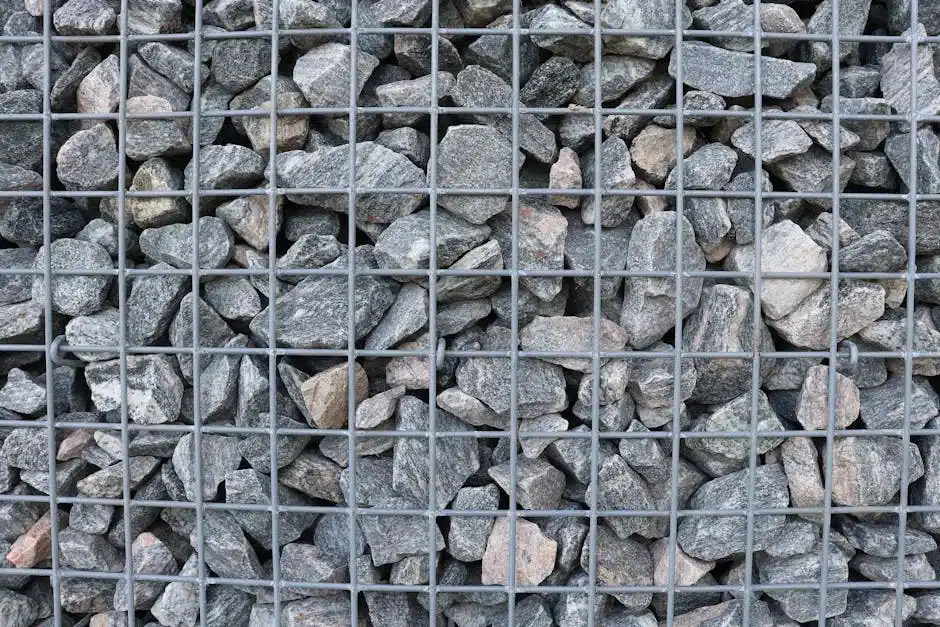
The most important best practices focus on soil evaluation, drainage control, and structural reinforcement. A professional installation addresses lateral earth pressure before placing the first block. Cutting corners here leads to cracking, leaning, and expensive reconstruction. A properly built wall in Dallas | Urban Concrete, TX typically includes:
- Excavation to undisturbed soil and a compacted aggregate base (often 6 – 12 inches depending on height)
- Leveling pad of compacted crushed limestone or poured concrete footing
- Geogrid reinforcement installed per manufacturer specifications (e.g., every 2 courses for taller segmental walls)
- Perforated 4-inch drain pipe with daylight outlet
- Non-woven filter fabric separating soil from drainage aggregate
- Compaction in controlled lifts using mechanical plate compactors
What Affects Cost and When to Call a Professional
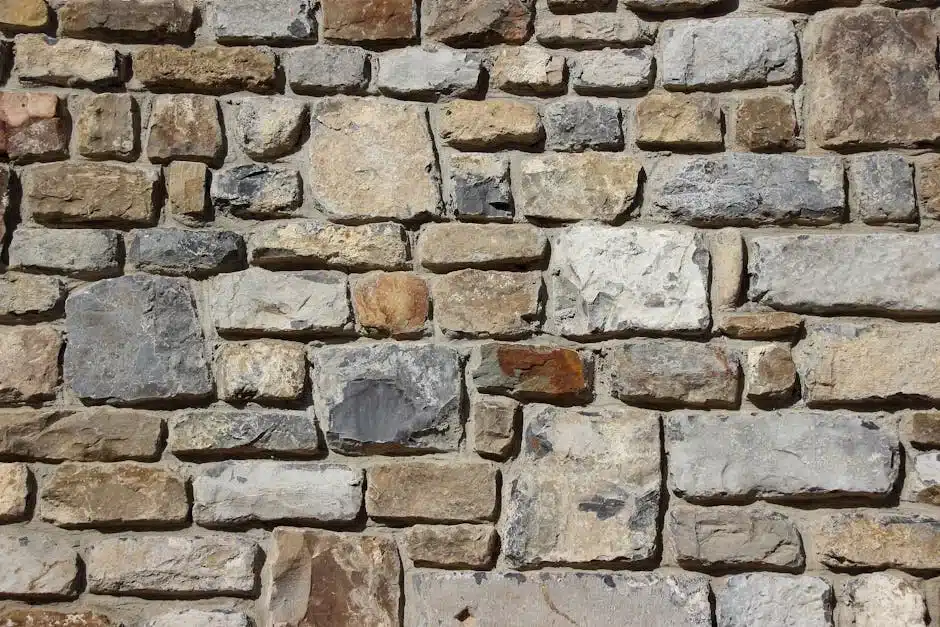
Most retaining wall projects in Dallas | Urban Concrete, TX fall into three pricing tiers depending on height and materials. For 2026, costs may range:
- $45 – $70 per square face foot for small segmental block garden walls
- $70 – $120 per square face foot for reinforced structural block walls
- $90 – $150+ per square face foot for poured-in-place reinforced concrete walls
- Site complexity (slope, access, soil conditions)
- Material costs (block type, concrete volume, steel reinforcement)
- Total scope (height, length, drainage systems, demolition of existing structures)
Schedule a Retaining Wall Cost Assessment
If you’re planning a retaining wall in Dallas | Urban Concrete, TX, the smartest first step is a site-specific evaluation. We assess slope grade, soil composition, drainage paths, and load conditions before recommending materials or pricing. That approach prevents underbidding and avoids structural surprises halfway through construction. Our team provides clear scope details, realistic timelines, and cost ranges based on actual site conditions – not generic averages. Whether you’re comparing block versus poured concrete or evaluating an existing wall that’s leaning, we can identify the structural requirements that truly drive cost. A short on-site review can clarify whether your project requires engineering, permits, or reinforcement layers that impact budget. Let’s review your property and give you accurate numbers you can plan around.
FAQs
How much does a retaining wall typically cost in Dallas | Urban Concrete, TX in 2026?
In 2026, most retaining wall projects in Dallas | Urban Concrete, TX may range from $6,000 for a small reinforced landscape wall to $25,000 or more for larger structural systems. Pricing usually depends on wall height, total square face footage, drainage design, and whether engineering is required. Short decorative walls under 3 feet tall are generally more affordable because they may not require extensive geogrid reinforcement or stamped engineering plans. Once a wall exceeds 4 feet, local code requirements often trigger permitting and structural design, which increases both material and labor costs. Expansive clay soils in this area also influence pricing because they require stronger base preparation and drainage control. Ignoring soil movement can lead to leaning or cracking, which means rebuilding rather than repairing. A detailed site visit provides far more accurate numbers than online averages.
Do I need a permit for a retaining wall?
Permit requirements depend largely on wall height and whether the wall supports a surcharge load such as a driveway, structure, or steep slope. In many cases, walls over 4 feet in height require permits and may need engineered drawings under locally adopted International Building Code standards. Even when a permit is not required for shorter walls, proper drainage and structural support are still critical. Building without a required permit can create problems during home sales, refinancing, or inspections. Buyers often request documentation for structural improvements. We recommend confirming permit requirements before construction begins. That ensures compliance and reduces the risk of fines or forced reconstruction. A professional contractor should clearly explain when engineered plans are necessary and include permit coordination in the project scope when required.
What factors most affect retaining wall cost and timeline?
Retaining wall pricing and timelines may vary significantly based on three main factors:
- Site complexity (slope grade, access for equipment, soil stability)
- Material costs (segmental block vs. poured concrete, steel reinforcement, drainage systems)
- Total scope (wall height, length, demolition, multi-tier design)
Can I build a retaining wall myself to save money?
Small decorative walls under 2 – 3 feet high may be manageable for experienced DIY homeowners if proper base preparation and drainage are installed. However, structural walls present significant risk. Once a wall exceeds 3 – 4 feet, soil pressure increases dramatically. Without geogrid reinforcement, compacted base layers, and proper drainage pipe installation, the wall may lean or fail. Repairing a failed wall often costs more than installing it correctly the first time because demolition and disposal add expense. DIY attempts also rarely account for expansive clay soils common in Dallas | Urban Concrete, TX. Those soils swell and shrink with moisture changes, increasing lateral pressure. For structural walls or walls supporting slopes, driveways, or patios, professional design and installation reduce safety and financial risk.
What are warning signs that a retaining wall is failing?
Common warning signs include forward leaning, horizontal cracking, bulging sections, and water seeping through block joints. You might also notice soil erosion at the base or pooling water behind the wall. These symptoms often indicate drainage failure or inadequate reinforcement. Hydrostatic pressure builds when water cannot escape through a perforated drain system. Over time, that pressure pushes the wall outward. Routine maintenance includes clearing drain outlets, ensuring downspouts do not discharge behind the wall, and monitoring for soil settlement. If you see progressive leaning or cracking wider than 1/8 inch, schedule a professional evaluation. Early intervention may allow reinforcement or drainage correction instead of full reconstruction.
What soil or climate issues affect retaining walls in Dallas | Urban Concrete, TX?
Expansive clay soil is the most significant local challenge. These soils swell during wet periods and shrink during dry seasons, creating movement that increases lateral pressure on retaining walls. Heavy rainfall events can also saturate backfill if drainage systems are poorly designed. Without free-draining aggregate and filter fabric separation, fine soil particles clog drainage stone and trap moisture. Temperature fluctuations may contribute to minor surface cracking in concrete, but soil movement remains the primary concern. Proper compaction in controlled lifts and installation of geogrid reinforcement significantly reduce long-term movement. Understanding these local soil behaviors is critical when estimating cost and structural requirements.
What should I look for when hiring a retaining wall contractor?
Look for contractors who understand structural requirements, not just landscaping aesthetics. Ask whether they follow manufacturer installation guidelines for segmental retaining wall systems and whether they coordinate engineering when required. Verify insurance coverage and confirm they are familiar with locally adopted building codes. A detailed written proposal should outline excavation depth, base material thickness, drainage components, reinforcement spacing, and compaction methods. If a bid seems dramatically lower than others, it may exclude drainage pipe, filter fabric, or geogrid layers. Those omissions often lead to premature failure. A qualified contractor explains structural reasoning behind each step rather than focusing only on surface appearance.
When should I schedule a professional evaluation?
Schedule an evaluation before construction if your wall will exceed 3 – 4 feet in height, support a load, or address noticeable slope erosion. Early planning allows for soil assessment and drainage design before excavation begins. For existing walls, contact a professional if you observe leaning, widening cracks, or pooling water behind the structure. These are not emergency conditions in most cases, but delaying inspection can increase repair scope. In the meantime, redirect downspouts away from the wall and avoid adding additional soil or load behind it. Temporary surface drainage improvements can reduce pressure until a permanent solution is designed. Prompt assessment protects your property from structural damage and higher reconstruction costs.