
Apartment Foundation Repair Cost in Dallas (2026): Complete Buyer’s Guide
May 28, 2026
- By
- Urban Concrete & Construction
- Concrete & Foundation Specialists
At Urban Concrete & Construction, we’ve guided property owners through apartment foundation repair decisions for years. When clients ask about Apartment Foundation Repair Cost in Dallas (2026), they’re usually weighing bids, timelines, and long-term risk. In Dallas | Urban Concrete, TX, we recently assessed a 12-unit building where minor slab movement had been ignored for two years – what started as hairline cracks turned into plumbing leaks and door misalignment across three units. This guide will help you evaluate options before costs escalate, especially if you manage multi-family properties. For broader context on structural work, see our foundation repair services overview. The biggest misconception is that foundation repair is just about leveling concrete. In reality, delayed action can increase structural loads on framing, damage underground utilities, and create lease disputes with tenants. Understanding scope, code requirements, and pricing variables upfront protects both your property and your operating budget.
What multi-family property owners must follow before repairs begin
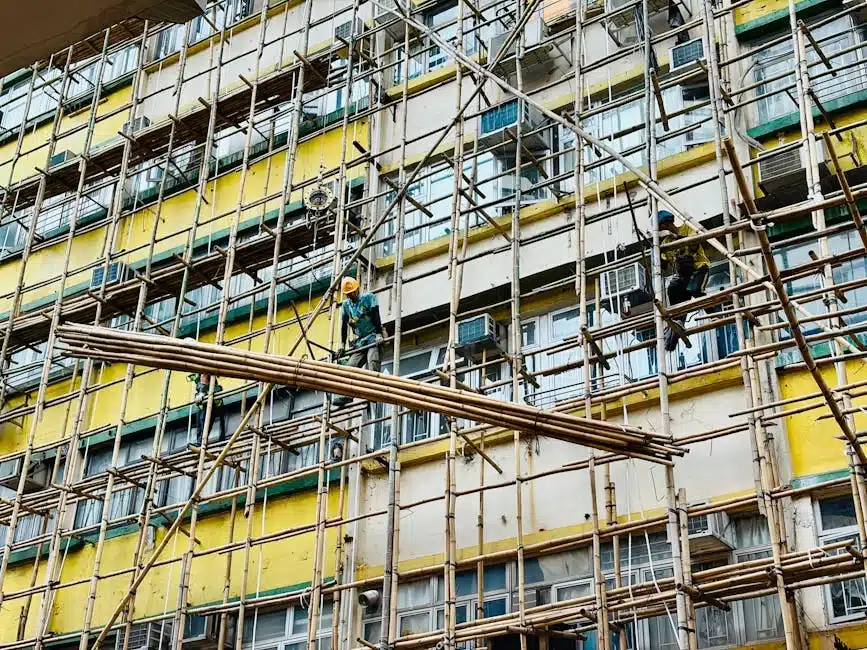
Foundation repairs in Dallas | Urban Concrete, TX are not just structural decisions – they are regulated construction activities. Expansive soils, high summer heat, and periodic heavy rainfall make proper engineering and permitting critical. Inspectors actively review structural alterations in multi-family buildings to ensure life-safety compliance.
- City of Dallas Adopted Building Codes (verify current adopted edition with Dallas Building Inspection) – The City enforces the currently adopted International Building Code with local amendments for structural work. Foundation repairs affecting load-bearing elements typically require permits and may require sealed engineering drawings. Non-compliance can result in stop-work orders, failed inspections, and fines.
- Texas Occupations Code Chapter 1001 – Texas Engineering Practice Act – Requires licensed Professional Engineers to design or oversee structural foundation solutions when engineering analysis is involved. Skipping engineered plans can expose owners to liability and insurance denial if structural failure occurs.
- Texas State Board of Plumbing Examiners Rules – If foundation movement affects plumbing systems beneath slabs, repairs must comply with state plumbing regulations. Improper reconnection or testing may result in failed inspections and water damage claims.
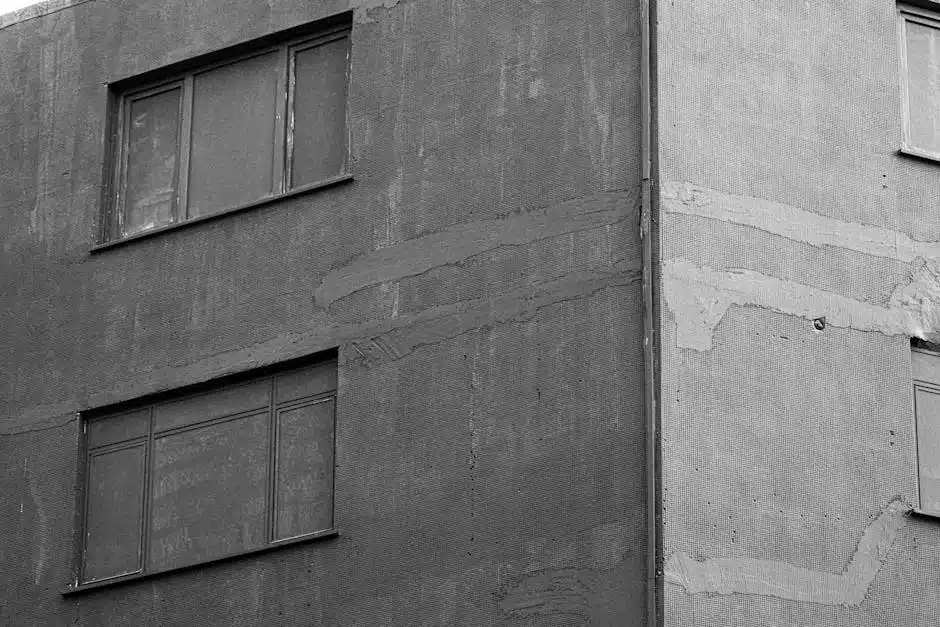
Questions to ask and what the repair process typically involves
Apartment foundation repair is a phased process, and understanding each stage helps control costs. We recommend asking contractors:
- Will a licensed engineer evaluate the structure?
- What pier system is proposed – steel push piers, helical piers, or concrete pressed piers – and why?
- How will plumbing tests be handled after lifting?
- What warranty applies to multi-unit structures?
- Elevation survey and soil assessment
- Engineering review (if required)
- Excavation along grade beams
- Pier installation and hydraulic lifting
- Void filling and backfill compaction
- Post-repair plumbing pressure test
Make a Confident, Informed Decision
Apartment foundation repair affects structural safety, tenant stability, and long-term property value. Rushing into the lowest bid without reviewing engineering requirements or permit obligations often leads to higher expenses later. We help property owners evaluate soil conditions, structural demands, and realistic repair strategies before work begins. Our team coordinates engineering assessments, permitting, and phased repairs designed for occupied multi-family buildings. If you’re comparing proposals or unsure whether movement requires immediate action, we can provide clarity before you commit. Schedule a professional evaluation and get a clear understanding of scope, risks, and cost expectations tailored to your property.
FAQs
What drives Apartment Foundation Repair Cost in Dallas (2026) the most?
The biggest cost drivers are soil movement severity, pier count, and structural complexity. In Dallas | Urban Concrete, TX, expansive clay soils frequently cause differential settlement, which means sections of the slab move unevenly. The more elevation variation we measure, the more stabilization points may be required. Pier type also matters. Steel push piers and helical piers generally cost more than concrete pressed piers but can provide deeper load transfer and higher capacity, which is important for multi-unit structures. Accessibility plays a role as well – tight setbacks, limited equipment access, or the need to protect landscaping can increase labor time. Finally, plumbing testing and post-lift repairs may add to the total investment. Multi-family properties require careful coordination to minimize tenant disruption, which can affect scheduling and labor planning.
Do apartment buildings require engineered plans for foundation repair?
Often, yes. When repairs affect load-bearing structural components in multi-family buildings, a licensed Professional Engineer may be required under Texas law. Engineers evaluate soil conditions, foundation design, and load distribution before specifying pier spacing and depth. Even when not strictly mandated, engineered plans protect property owners. They provide documented calculations and stabilization strategy, which can be critical for insurance claims or resale documentation. Lenders and investors frequently request proof that repairs followed accepted engineering standards. In our experience, skipping engineering review may reduce upfront cost but increases long-term risk. Without proper load calculations, contractors may under-design the solution, leading to recurring settlement and additional expense within a few years.
How much does apartment foundation repair typically cost and how long does it take?
Costs may range widely depending on building size and severity of settlement. Smaller apartment properties might start around $25,000, while larger multi-building complexes could exceed $100,000 if extensive underpinning is required. Timeframes typically fall between one and three weeks, though complex projects may take longer if inspections or plumbing coordination are involved. Pricing fluctuates based on:
- Site complexity and access constraints
- Material costs, particularly steel and concrete
- Total scope, including engineering and plumbing repairs
Can property owners handle minor foundation issues themselves?
Cosmetic repairs such as sealing small interior drywall cracks or improving drainage around the building can be handled by maintenance staff. However, structural stabilization of an apartment foundation is not a DIY project. Multi-family structures distribute loads across interconnected units. Improper lifting or uneven pier installation can create additional stress on framing, shear walls, and plumbing lines. Hydraulic lifting requires calibrated equipment and elevation monitoring to prevent over-correction. We’ve seen cases where unlicensed repairs resulted in uneven slab elevation, causing door misalignment and plumbing leaks. Correcting those mistakes cost significantly more than hiring qualified professionals from the beginning. For structural movement beyond superficial cracking, professional evaluation is strongly recommended.
What warning signs indicate an apartment foundation problem?
Common indicators include stair-step brick cracks, interior sheetrock cracks above door frames, sloping floors, and doors that no longer latch properly. In multi-unit properties, tenants may report recurring plumbing backups or gaps between walls and ceilings. We recommend conducting annual visual inspections of exterior grade beams and monitoring drainage patterns. Ensure downspouts extend several feet away from the structure and maintain consistent soil moisture during drought periods to reduce shrink-swell cycles. If cracks widen beyond 1/4 inch or you notice measurable floor slope changes, schedule a professional elevation survey. Early intervention typically reduces repair scope and helps prevent damage to underground utilities.
Why are foundation issues common in Dallas | Urban Concrete, TX?
Dallas | Urban Concrete, TX sits on expansive clay soils that absorb water during rainy seasons and contract during drought. This shrink-swell cycle creates repeated stress on slab-on-grade foundations common in apartment construction. High summer temperatures can dry soil rapidly, while sudden heavy rainfall reintroduces moisture unevenly. Without proper drainage and moisture control, differential movement becomes more likely. We also encounter older properties built before modern soil preparation standards were widely implemented. Inadequate compaction or shallow footings increase susceptibility to settlement. Understanding local soil behavior is critical when designing a repair plan that addresses root causes rather than just visible symptoms.
What should I look for when hiring a foundation repair contractor?
Start by verifying licensing and insurance. If engineering is involved, confirm that a Texas-licensed Professional Engineer reviews or stamps the plans when required. Ask for proof of general liability coverage and workers’ compensation. Request a detailed scope outlining pier type, estimated depth, spacing intervals, and warranty terms. Avoid vague proposals that do not specify materials or methodology. We also recommend reviewing recent multi-family projects and speaking with other property owners. Apartment buildings require coordination with tenants and careful scheduling, which differs from single-family work. A transparent contractor should explain elevation readings, provide documentation, and clarify permit requirements before starting work.
When is foundation movement considered urgent?
Foundation issues are rarely immediate emergencies, but certain signs require prompt evaluation. Rapidly widening cracks, significant floor slope changes, or sudden plumbing leaks beneath the slab indicate active movement. If tenants report sticking exterior doors or visible separation between brick and framing, schedule an inspection soon. While you may not need same-day intervention, delaying evaluation can increase structural stress and repair cost. In the short term, maintain consistent drainage and avoid overwatering near the foundation. Document visible changes with photos to track progression. If movement appears progressive over weeks or months, professional assessment helps determine whether stabilization is necessary or if monitoring is sufficient.