
7 Warning Signs of a Sinkhole in Your Yard Every Homeowner Should Recognize
May 28, 2026
- By
- Urban Concrete & Construction
- Concrete & Structural Specialists
Last spring, a homeowner in Dallas | Urban Concrete, TX called us after noticing a soft, spongy patch near their patio that seemed to grow after every storm. At Urban Concrete & Construction, we’ve been helping property owners investigate the 7 Warning Signs of a Sinkhole in Your Yard for years of experience, and we’ve seen how subtle ground movement can signal serious subsurface voids. Ignoring early warning signs can lead to foundation cracks, broken plumbing lines, and thousands of dollars in structural repairs. In one case, a small depression near a driveway turned into a cavity large enough to undermine a concrete slab. If you’re already seeing foundation repair warning signs, your yard may be telling you something important.
What Proper Sinkhole Assessment and Repair Should Include
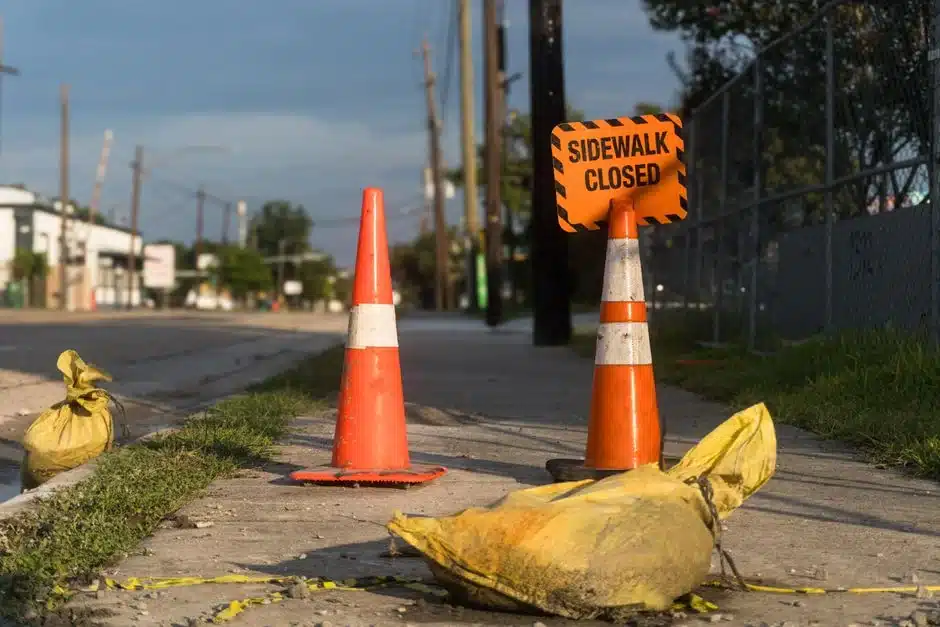
Accurate diagnosis determines whether you’re dealing with surface erosion or a true subsurface void. We focus first on confirming soil stability before recommending cosmetic fixes. Skipping this step often results in recurring settlement. Quality service should include:
- Site inspection and documentation of crack patterns, elevations, and drainage flow.
- Subsurface testing such as GPR scanning or soil borings to measure void depth.
- Leak detection for irrigation and sewer systems using pressure tests or camera scopes.
- Engineered repair plan when structural elements are affected.
- Controlled fill or grouting using flowable fill, polyurethane foam injection, or compacted select fill per ASTM standards.
How to Reduce Risk and Plan for Repairs
Preventing sinkhole damage starts with water control and soil stability. Most voids we address relate to uncontrolled drainage or leaking underground utilities. Regular inspection reduces the chance of sudden collapse. We recommend:
- Inspecting irrigation systems annually for pressure loss.
- Cleaning gutters and extending downspouts at least 5 feet from foundations.
- Regrading soil to maintain a 5% slope away from structures.
- Monitoring cracks with a simple crack gauge to track movement over time.
- Site complexity and soil conditions
- Material costs for grout or foam
- Total scope of affected structures
Schedule a Sinkhole Risk Assessment
If you’ve noticed uneven ground, widening cracks, or recurring depressions, the next step is a professional evaluation. We assess surface symptoms, test subsurface stability, and determine whether erosion, plumbing leaks, or soil movement is driving the problem. Early detection often prevents foundation damage and major slab replacement. Our team provides detailed findings, clear repair options, and practical recommendations tailored to your property in Dallas | Urban Concrete, TX. Addressing ground instability now protects your home’s structural integrity and long-term value. Schedule an on-site assessment and get clear answers before minor warning signs turn into structural repairs.
FAQs
What are the most common early warning signs of a sinkhole in Dallas | Urban Concrete?
Early signs often include small circular depressions, soft or spongy soil, new cracks in driveways or patios, and isolated areas of dying grass. In Dallas | Urban Concrete, TX, we also see standing water where drainage used to flow properly. Because local soils contain expansive clay, homeowners sometimes assume movement is seasonal. The difference is persistence and progression. If a depression deepens after rainfall or cracks widen beyond about 1/8 inch, subsurface erosion may be occurring. Leaning fence posts or gaps forming between soil and foundation edges also suggest soil loss below grade. Document changes with photos every few weeks. If conditions continue to worsen rather than stabilize during dry weather, schedule a professional evaluation to determine whether you’re facing normal soil shrinkage or a developing void beneath the surface.
Can heavy rain cause a sinkhole to form in my yard?
Heavy rain can accelerate sinkhole formation, especially if water infiltrates through existing cracks or poorly compacted fill. Rainwater moving through sandy or erodible layers can carry fine particles downward, gradually creating a cavity. In areas with limestone beneath clay soils, prolonged saturation may contribute to dissolution and void expansion. We often find that rainfall is not the sole cause but the triggering event that exposes a pre-existing weakness, such as a leaking pipe or uncompacted trench backfill. After intense storms, inspect your yard for new depressions, pooling water, or soil pulling away from hard surfaces. If you notice rapid changes over days rather than months, avoid adding loose soil as a temporary fix. Identifying the water source and stabilizing the subsurface soil prevents recurring collapse.
How much does it cost to repair a sinkhole in a residential yard?
Repair costs depend on the size and depth of the void, whether structures are affected, and the stabilization method required. Minor surface voids with shallow compaction issues may start around $1,500 to $4,000. Moderate projects involving pressure grouting or polyurethane foam injection might range from $5,000 to $15,000. Extensive structural stabilization beneath foundations could exceed that range if engineering oversight and slab lifting are necessary. Pricing may fluctuate based on:
- Site complexity and soil conditions
- Material costs for grout, foam, or engineered fill
- Total scope of structural impact
Can I fill a small sinkhole myself, or should I hire a professional?
You can temporarily fill a very small, shallow depression with compacted soil if you are certain it is not expanding and is not near structures. Use layered fill in lifts of 4 to 6 inches and compact each layer firmly. However, if soil continues to disappear, if the hole is deeper than about 12 inches, or if it is within several feet of a foundation, driveway, or utility line, professional evaluation is safer. The risk of ignoring subsurface erosion includes structural settlement and hidden utility damage. We have seen homeowners repeatedly add soil to what appeared to be a minor hole, only to discover an underlying cavity several feet deep. When warning signs persist or worsen, subsurface testing and engineered stabilization protect both safety and property value.
How can I monitor my yard for sinkhole activity over time?
Start by marking the edges of any depression with landscape paint or small stakes so you can measure expansion. Photograph the area monthly and after major storms. Use a tape measure to record depth and diameter changes. For cracks in concrete, install an inexpensive crack monitor gauge to track widening. Maintain proper drainage by extending downspouts and correcting low spots that trap water. Inspect irrigation systems annually for leaks, especially at joints and valve boxes. If you notice soil pulling away from your foundation or new unevenness in patios, document it promptly. Gradual movement may indicate seasonal soil change, but consistent growth suggests erosion below the surface. Early documentation helps professionals determine whether stabilization or structural repair is necessary.
Are sinkholes common in Dallas | Urban Concrete, TX?
True catastrophic sinkholes are less common than minor subsurface voids, but soil movement issues do occur in Dallas | Urban Concrete, TX. The region’s expansive clay soils shrink during dry periods and swell after rainfall. This movement can mask or contribute to void formation. Additionally, aging underground plumbing lines and poorly compacted trench backfill from previous construction can create pathways for soil erosion. We often find that what homeowners call a sinkhole is actually erosion around utility lines or beneath flatwork. Regardless of cause, the effect can be similar: unsupported soil and potential slab settlement. Because weather patterns in North Texas include intense rain events, monitoring drainage and foundation edges is especially important. Early evaluation prevents minor soil loss from escalating into structural instability.
What should I look for when hiring a contractor to evaluate a suspected sinkhole?
Choose a contractor who understands soil mechanics and structural load transfer, not just surface grading. Ask whether they use diagnostic tools such as ground-penetrating radar, soil borings, or compaction testing. Confirm they follow ASTM standards for soil density and reference International Residential Code requirements for stable bearing soil. Proper insurance coverage and experience working with structural engineers are also important if foundation elements are involved. Be cautious of anyone who proposes simply dumping loose fill into a hole without investigating the cause. Reliable professionals explain the root issue, outline repair options, and provide a written scope of work. Detailed documentation, measured elevations, and a clear stabilization plan indicate a thorough evaluation rather than a temporary patch.
When should I treat a suspected sinkhole as urgent?
Most yard depressions are not emergencies, but rapid changes require prompt attention. If you notice a hole expanding significantly over a few days, soil collapsing near a foundation, or sudden cracking accompanied by door or window misalignment, schedule an evaluation quickly. Keep people and pets away from unstable ground and avoid driving equipment over the area. Do not attempt to excavate deeper to “see how far it goes,” as this can trigger additional collapse. Cover the area temporarily with plywood if needed to reduce accidental falls. While this is rarely a 911 situation, delaying assessment when structural elements are nearby increases repair costs and safety risk. A timely professional inspection determines whether stabilization is needed before further settlement occurs.